Will Cyprus' Competitive Electricity Market Cut Consumer Bills?
After an eight-year delay, Cyprus will launch its competitive electricity market on October 1.

After an eight-year delay, Cyprus will launch its competitive electricity market on October 1, raising hopes among consumers for lower electricity prices. However, both government officials and energy experts are approaching the transition with cautious optimism, warning that the market will need time to function effectively.
Energy experts stress that the benefits for consumers will not be immediate. The real impact on electricity bills, they say, will come with the introduction of natural gas into the energy mix.
Energy Minister George Papanastasiou expressed restraint when asked whether the shift to a competitive market would immediately reduce electricity costs. “Historically, in larger markets, electricity prices tend to remain stable when competition is first introduced and only begin to decline once the market mechanisms mature,” he explained. “Time will tell how this system will operate in a small market like Cyprus,” he added.
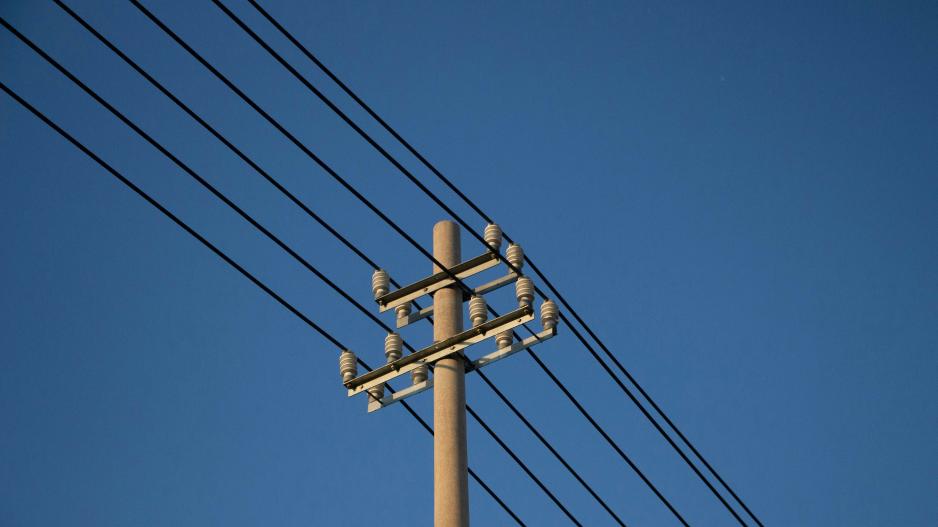
Haralambos Ellinas, former Chairman of the Cyprus Hydrocarbons Company and energy expert, echoed these views, noting that market forces will need time to bring about meaningful reductions in prices.
Speaking to Brief, Ellinas said the transition period will allow the Electricity Authority of Cyprus (EAC) to adapt to the new environment. “It’s not a negative thing that the system will be tested over time,” he remarked.
In the short term, Ellinas said that not much can be done to reduce electricity prices, citing the still-low share of renewables in electricity production. “Unfortunately, the use of heavy fuel oil by the EAC will continue for some time,” he noted.
According to Ellinas, it is the arrival of natural gas that will open the door to lower electricity prices. Over time, as the market matures, new suppliers and renewable energy producers are expected to enter the system. “Once the EAC begins purchasing cheaper electricity from these producers, real competition will emerge—and with it, price reductions,” he said.
Despite being the dominant player in the energy sector, the EAC has not participated in the transitional market all these years. With the official opening of the competitive market, however, all players—including the EAC—will be able to both buy and sell electricity.
“The EAC has the technology, infrastructure, and experienced workforce to face the challenge of competition. This will be a major incentive and challenge for the Authority—and one it can handle,” a senior official told Brief.
There is broad consensus that the current market distortions in the electricity sector are expected to fade once the competitive market is fully operational.
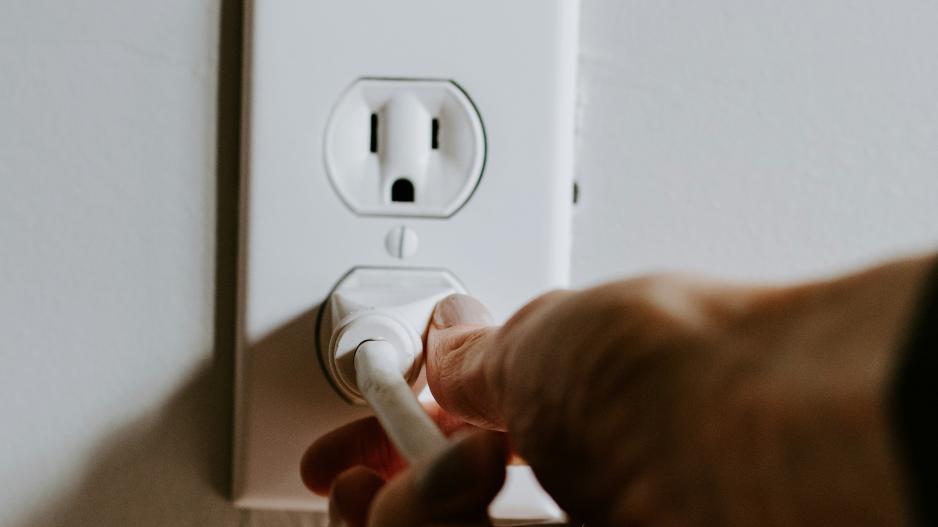
Electrical engineer Christakis Chatzilaou, with extensive experience in the operation of Cyprus’ electricity system, offered a more skeptical perspective on the new market.
He argued that Cyprus is too small and has too few technologies—limited to conventional EAC production and renewables—to allow for healthy competition. “To have real competition, there must be diverse technologies competing against each other,” he said.
With just two producers in the mix, “this is, in my humble opinion, an oligopoly,” he noted.
As for consumer expectations for affordable electricity, Chatzilaou urged caution. “We should not expect dramatic changes with the market opening,” he said.
He warned that key cost factors—such as fuel prices and emissions allowances—are expected to remain high over the coming years. “Electricity prices are unlikely to fall from current levels. In fact, they may increase further,” he said.
Like other experts, he believes significant cost reductions will only come with the use of natural gas.
The Electricity Market Association has described the launch of the competitive electricity market as a major development. According to the Association, Cypriot consumers will now have the freedom to choose their electricity supplier.
At the same time, the arrival of natural gas and the upgrade of the electricity transmission and distribution system through targeted modernization projects are seen as essential steps toward reducing electricity prices.
“Policies that enhance competition and avoid direct or indirect support for monopolistic structures are necessary to address energy challenges,” the EMA stated.