Cyprus’ Gas Gamble: 13 Years Later, Still No Production in Sight
A decade after discovering vast gas reserves, Cyprus faces hurdles that stall their exploitation—and test investor patience.
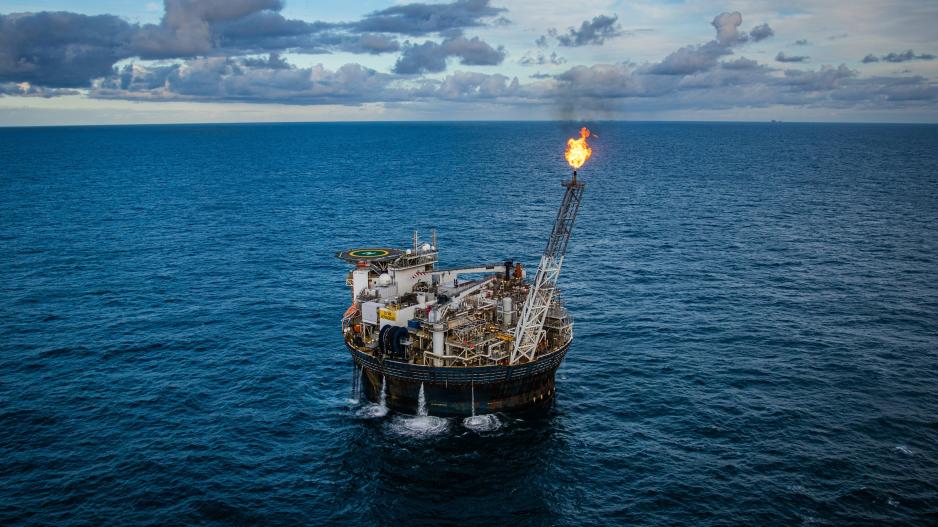
Thirteen years after the first drilling operation in Cyprus’ Exclusive Economic Zone (EEZ), the country still holds significant natural gas reserves—on paper. Despite high expectations and repeated investment announcements, the exploitation of these deposits remains pending. The island’s energy future hinges on a complex mix of geopolitical, economic, and technical factors.
As Offsite writes, the first discovery was the Aphrodite gas field in Block 12, announced in 2011. Estimates point to about 4.5 trillion cubic feet (TCF) of natural gas—enough to justify commercial development. Chevron, which leads the consortium with Shell and Israel’s NewMed, is currently advancing a development plan that includes a floating production platform and gas transport to Egypt’s LNG facilities.
Meanwhile, in Block 6—operated by Eni and TotalEnergies—other significant fields have been identified: Calypso, Cronos 1, Cronos 2, and most recently Pegasus 1. Combined, these may exceed 8 TCF, raising expectations for a comprehensive regional development strategy.
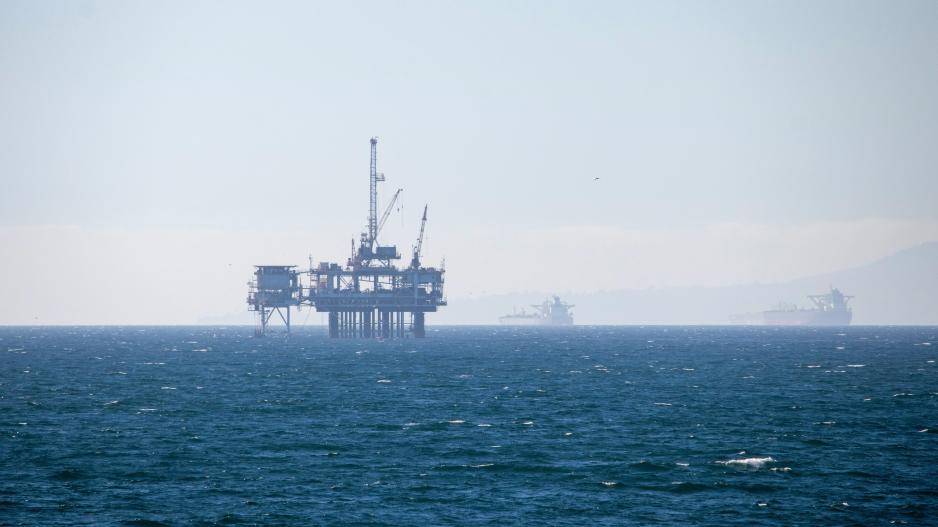
While the geological data is promising, Cyprus has yet to reach the commercial exploitation stage. The main question is no longer whether gas exists, but how, when, and at what cost it will reach the market.
Chevron’s plan for the Aphrodite field is the most advanced, with production targeted for 2027. However, the company revised its initial plan, proposing a new extraction method. This led to delays and ongoing negotiations with the Cypriot government. At the same time, the idea of local LNG facilities is considered economically unviable, while the Great Sea Interconnector remains a controversial proposal.
Cyprus’ gas reserves are not just an energy asset—they lie in a region of intense geopolitical competition. Europe is hungry for alternative gas sources, and the Eastern Mediterranean offers viable options. Cyprus could become a key hub—if it manages to overcome the obstacles delaying project execution.
Analysts agree that Cyprus is facing a narrow window of opportunity, with the next two years being critical.
According to industry sources, “If a final investment decision is made on the Aphrodite field, it could pave the way for development of the other deposits. The potential for clustering smaller fields reduces risk and improves project viability.”
They add that “the country needs a stable regulatory environment, a coherent investment plan, and strong political will. The climate transition is shrinking the time frame for natural gas as a ‘bridge fuel’ toward renewables. Without swift progress, the opportunity may be lost.”