The Full Backstory of Neocleous’ Departure from Cyta
A Foreseen Departure with Unanswered Questions
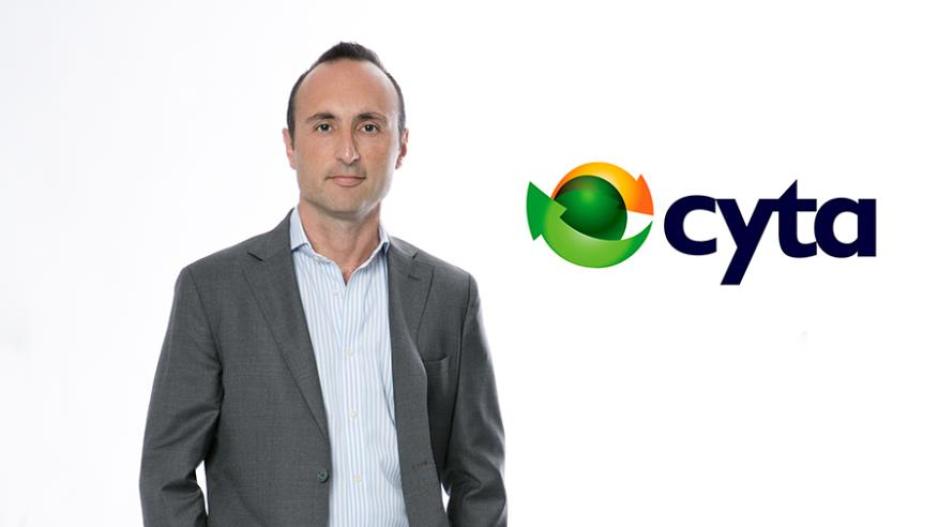
The resignation of Andreas Neocleous from his role as CEO of Cyta was far from a sudden development. Those who needed to know were informed well in advance: Cyta’s Board of Directors, the trade unions within the telecommunications authority, the Ministry of Finance, and even the President of the Republic.
Sources close to the President confirmed to Brief that Neocleous’ contract had even been discussed at the Council of Ministers in July, when the prospect of Cyta entering the energy sector was raised.
In June 2023, under the leadership of Michalis Ioannidis, Cyta Power was established. Studies indicated that, had the project proceeded, today’s electricity prices could be 20% lower. Neocleous played a central role in this project, shaping its vision and direction.
By July’s cabinet session, it was already known that Neocleous had little time left to respond to a highly attractive offer from a major organization in Saudi Arabia. All stakeholders were aware of the situation for nearly 18 months, yet decisive action only came during the last two—far too late.
Following the President’s instructions, the matter was handled discreetly with the Cyta Board and the Ministry of Finance. Eventually, the Legal Service was asked whether changes to Neocleous’ contract were possible. The response was clear: “Any change is illegal.”
If the Presidency, the Cyta Board, and unions genuinely wanted him to stay, they should have asked instead: “What lawful avenues exist to revise the contract and retain Neocleous?” Sources noted that adjustments could have been made during the renewal of his second five-year term.
Despite widespread support—from the Board, the unions (SEK, PEO, ASET OYYK-SEK), and the Presidency—the process stalled. Meanwhile, Neocleous kept a lucrative Saudi offer in hand for 18 months, waiting for local decision-makers who never acted.
Union leaders confirmed to Brief that they had repeatedly warned Cyta’s Board, and even the Presidency, about the risk of losing him.
Employees now worry about what comes next. There are concerns about a potential regression: the return of politically motivated appointees, a weakened top-level administration, and setbacks in Cyta’s digital transformation.