“Work Can Wait, I Have Yoga”: How Gen Z in Cyprus Is Rewriting the Rules of Work
Two HR experts decode the values, behaviors, and bold demands of Gen Z—and what Cyprus’s employers must do to keep up.
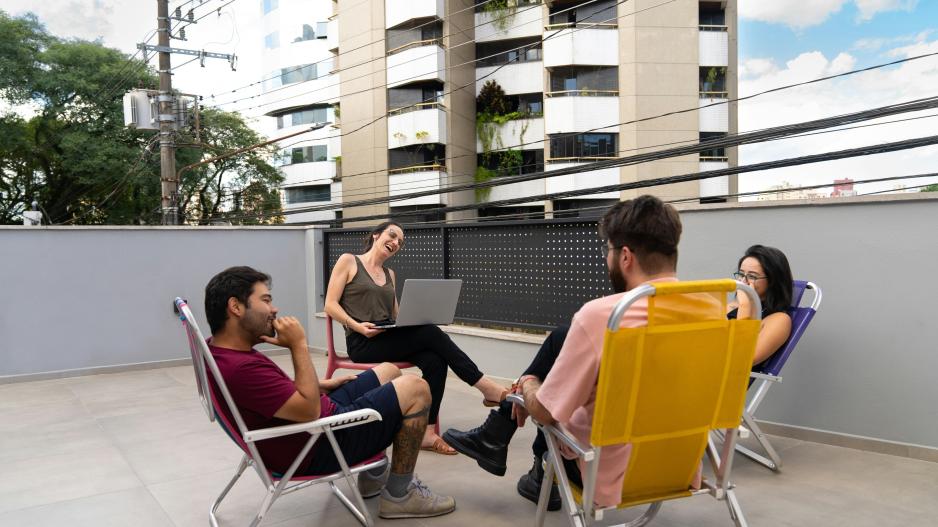
They are digital natives, born into the age of smartphones, climate anxiety, and global uncertainty. In Cyprus, as elsewhere, Generation Z—those born roughly between 1997 and 2012—is stepping into the workforce with a different set of expectations, priorities, and behaviors than any generation before. And they are doing so unapologetically.
FastForward set out to explore how this generational shift is playing out in Cyprus—through conversations with two prominent voices in the local HR field.
“Gen Z is bringing a completely new mindset into the workplace,” says Marianna Hadjiandoniou, Founder and Director of PERHA Group, a boutique HR consultancy operating in Cyprus and the UAE. “They’re driven by purpose, demand constant feedback, and are unafraid to walk away if their personal well-being or growth isn’t respected.”
This generation doesn’t just ask for flexibility—they expect it. From hybrid schedules to wellness breaks embedded in the workday, Gen Z’s approach is challenging traditional ideas of productivity. “It’s not uncommon for a Gen Z employee to request postponing a deadline because they have a yoga class,” Hadjiandoniou notes. “And that doesn’t come from a place of entitlement—it’s part of their value system, where well-being is central.”

To some managers, this shift feels radical. But for many HR professionals, it signals necessary change. “They’re less obsessed with titles or career ladders,” explains Katerina Andreou, Founder of HR Innovate. “They’re more present in the now, shaped by the pandemic and an always-online culture. Long-term planning doesn’t appeal as much—they want meaning today.”
Andreou observes that Gen Z candidates in Cyprus are better informed than ever. “They research employers in-depth before applying, expect transparency in job roles and conditions, and often refuse to accept discrimination or toxicity in the workplace—even in exchange for a good salary.”
Yet, such clarity comes with challenges.
One of the biggest difficulties employers face is keeping Gen Z employees engaged and loyal. “If they don’t feel connected to the company culture or see a clear purpose in their role, they disengage fast,” says Hadjiandoniou. Annual performance reviews? Outdated. “They want ongoing feedback, frequent check-ins, and more participatory decision-making.”
Andreou echoes this: “They’re not willing to ‘pay their dues’ in the traditional sense. Many expect competitive salaries and flexibility right from the start—even as fresh graduates. That puts enormous pressure on employers, especially in smaller markets like Cyprus.”
And when their needs aren’t met, they don’t hesitate to walk away. “They’re more likely to quit a job and take time off to ‘figure things out’ rather than stay in an unfulfilling role. The urgency we used to feel about employment isn’t there anymore,” Andreou explains.
According to Andreou, salary, flexibility, and benefits top the Gen Z wishlist. But it's not just about money—it’s about clarity and culture.
“They want to know what they’re signing up for—literally. Job descriptions, onboarding processes, and career paths must be transparent,” says Hadjiandoniou. “We’ve even redesigned job ads and company career pages so they speak the language of Gen Z: authentic, direct, and human.”
The employers who adapt are seeing results. “In tech and finance, companies have increased hybrid options and upgraded benefits with things like gym memberships and wellness packages,” Andreou says. “It’s no longer a luxury—it’s expected.”
Still, not all sectors are keeping pace. “Fields like tax and audit have been slower to respond, and it’s hurting their ability to attract young talent,” she adds.

With their fresh thinking and digital fluency, Gen Z is poised to reshape workplace dynamics for the better—but only if companies allow it.
“They bring energy, creativity, and are incredibly tech-comfortable,” Hadjiandoniou notes. “But for them to thrive, organizations must evolve—from hierarchical command chains to cultures of collaboration.”
Andreou believes their demands could push workplaces toward overdue reforms. “They dare to ask for what older generations only wished for—fair pay, work-life balance, inclusive environments. They’re not being difficult. They’re holding us to account.”
But she’s also cautious: “The risk isn’t Gen Z themselves—it’s the gap between their expectations and what the market can deliver. In today’s volatile economy, even the most progressive employer can’t meet every demand overnight.”
For Cyprus’s job market, the Gen Z shift is both a challenge and an opportunity. It requires companies to get serious about culture, communication, and adaptability—not just perks.
“The question isn’t whether Gen Z will change the workplace,” says Hadjiandoniou. “They already are. The real issue is whether organizations will change with them.”
If the answer is yes, the potential is enormous: a healthier, more inclusive, more human workplace—driven by a generation that refuses to settle for less.