How to Apply for Cyprus’s New Digital Nomad Visa — A Step-by-Step Explainer
Here’s your 7-step roadmap to legally working from sunny Cyprus.

Cyprus quietly relaunched its Digital Nomad Visa on 26 March 2025, resuming the issue of residence permits to remote workers after a year-long pause. Below is a walk-through of what you need to qualify and exactly what happens after you land on the island.
-
Be a non-EU / non-EEA citizen
-
Work remotely for an employer or clients outside Cyprus (employees, freelancers and foreign-company owners all qualify)
-
Earn at least €3,500 net per month, plus +20 % if accompanied by a spouse/partner and +15 % for each dependent child
-
Hold private health insurance with at least €30,000 medical and repatriation coverage
-
Provide a police clearance certificate issued within the past six months, apostilled or embassy-stamped
-
After arrival, undergo blood tests (HIV, hepatitis B/C, syphilis) and a chest X-ray for TB; children under 6 are exempt
-
Show proof of accommodation in Cyprus (lease agreement or title deed) covering the visa period
-
MVIS4 application form (plus MVIS6 for family)
-
Passport valid ≥ 3 months after submission, plus last-entry stamp
-
Two recent passport photos
-
Six months of bank statements & salary slips
-
Remote-work proof (employment contract or client contracts & company registration docs)
-
Curriculum vitae
-
Letter of intent stating you won’t offer services to Cypriot clients
-
Health-insurance certificate
-
Criminal-record certificate
-
Lease/title deed and recent utility bill (if lease > €5,000 it must be stamp-duty-paid)
All foreign documents must be translated to English and legalised. Mismatched or missing pages are the top reason files are rejected at the counter.
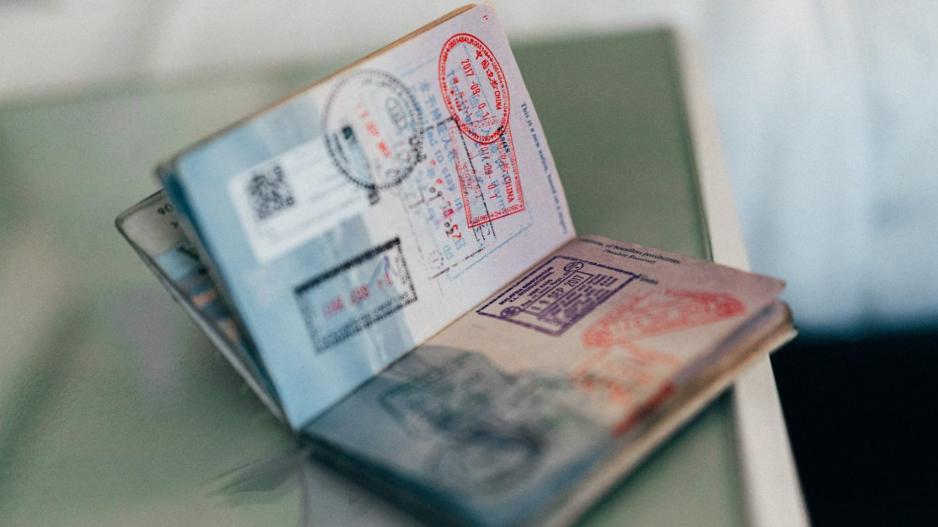
The visa cannot be filed from abroad. Arrive as a tourist (visa-free or Schengen-type C where relevant) and hold on to your entry stamp — you’ll need a copy. Within 90 days head to the Civil Registry & Migration Department (CRMD) HQ in Nicosia or a district Aliens & Immigration Unit to lodge your dossier.
Tip: book the CRMD appointment online as slots fill weeks ahead in summer.
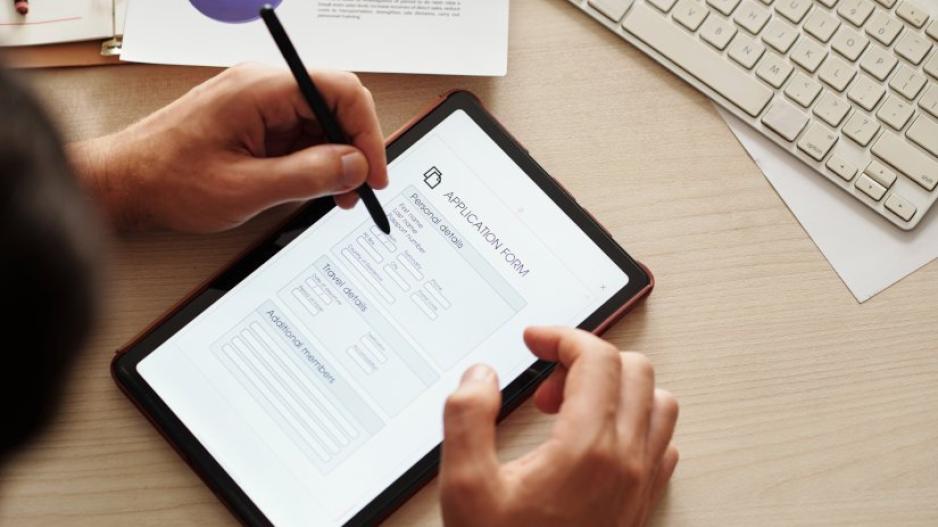
Application + biometrics: €70 (each)
Aliens’ Registry first-time entry: €70 (each)
Your fingerprints, photograph and digital signature are captured either the same day or within 10 days. Incomplete files are returned without a queue number, so bring every original and copy.
The CRMD quotes a 35–50 day processing window. During this period you may remain in Cyprus past the 90-day tourist limit. Track status via the SMS update service or through your authorised representative.
When the permit card is ready you’ll receive a pick-up letter. Collection is in person at the same office; bring passport and receipt.
-
Stay at least 6 months + 1 day in Cyprus each year; an absence of more than 90 consecutive days cancels the permit
-
Become a Cypriot tax resident after 183 days in the country (or under the 60-day rule if you establish stronger economic ties)
-
Spouse/partner and children under 18 receive residency for the same term but cannot work locally; separate applications and fees required
-
Apply for renewal at least one month before expiry; first card is valid for 1 year, and the renewal can extend it by up to 2 years (maximum total 3 years)

-
Pre-screen your eligibility & income.
-
Collect and legalise all documents.
-
Fly in on a tourist stamp; book CRMD slot.
-
Submit forms, pay €140, give biometrics.
-
Stay put ~7 weeks while the file is vetted.
-
Collect residence card; register for utilities, bank etc.
-
Track days and budget for tax, renewal or exit before year-end.