Pollution Control: 83 Major Cypriot Businesses Operate Without Required Permits
MP slams request for extension of emission permits for large facilities lacking building and planning approvals, including EAC.
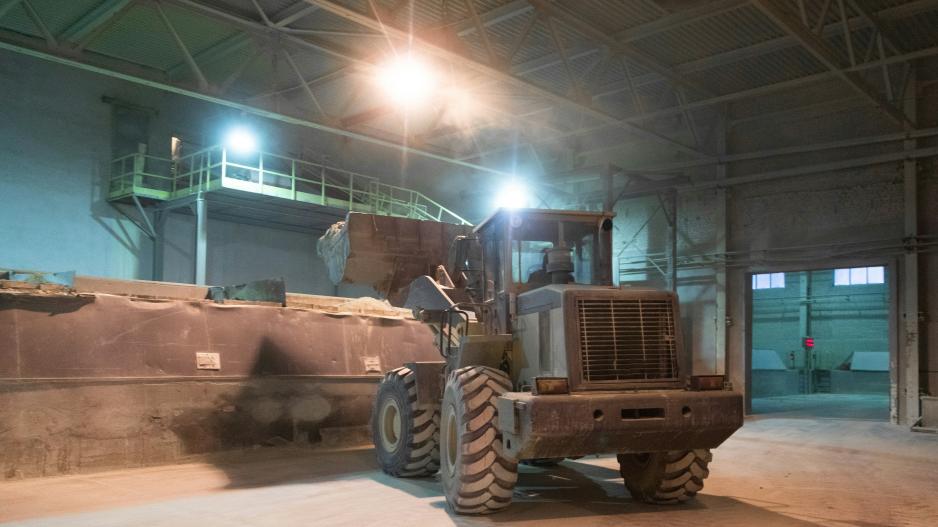
A total of 83 major businesses in Cyprus are currently operating without the necessary permits, according to statements made during a session of the Parliamentary Environment Committee. The Committee was reviewing, article by article, the 2025 Amendment of the Law on Industrial Emissions (Integrated Pollution Prevention and Control).
Speaking after the session, AKEL MP Nicos Kettiros revealed that the Environment Department has requested an extension until December 31, 2029, for the exceptional provision allowing the competent authority to issue or renew industrial emission permits for certain facilities. These include installations that do not possess valid town planning permits, building permits, or certificates of approval.
Kettiros clarified that this concerns 83 large facilities currently operating without the required documentation. He strongly criticized the request, calling it “not just unacceptable but provocative,” especially compared to the strict enforcement faced by ordinary citizens.
He added, “For those people, the authorities—Environmental Officers, Town Planning, local authorities—pursue every minor violation on their properties. There, the law applies to the letter. But for big businesses, the authorities overlook serious violations without hesitation.”
In response to a question, Kettiros noted that these businesses include major industrial players such as the Cyprus Electricity Authority (EAC), as well as brick and cement factories. He specifically pointed out that "EAC does not hold certain required permits at its Vasilikos facility."
When asked further, the AKEL MP stated that the Environment Committee has received assurances that there are no imminent dangers. The extension, he explained, has been requested to allow these large enterprises to undergo industrial emissions inspections.
“These companies followed incorrect procedures by making unauthorized expansions,” he said. “They now need to secure the required permits, but many of these cases are problematic. In some instances, demolition might even be necessary,” he concluded.