Agreement in Principle Reached Between the U.S. and Iran Over the War in the Middle East, but Long Road Still Ahead for Final Deal
The Three Major Sticking Points Delaying The Process, The Internal Backlash In Washington, And The President’s Response To Critics.
The United States and Iran have reportedly reached an agreement in principle regarding the end of their conflict in the Middle East. Diplomats caution, however, that the road ahead remains long, as several more days of negotiations will be needed before both sides can finalize the deal. Once that stage is completed, a 60-day trial implementation period for the peace agreement is expected to begin. Markets have reacted cautiously but positively, with Brent crude falling below the psychological threshold of $100 per barrel and the S&P 500 posting modest gains.
The proposed agreement reportedly includes the reopening of the Strait of Hormuz, along with a public commitment from Iran that it will not develop nuclear weapons and will surrender its enriched uranium stockpiles while shutting down enrichment facilities. However, in all three areas, there is still no agreement on how these measures will actually be implemented. That appears to be where negotiations have stalled. On Saturday, U.S. President Donald Trump said that an agreement would be announced “soon,” but by Sunday he stated that “there is no rush.”
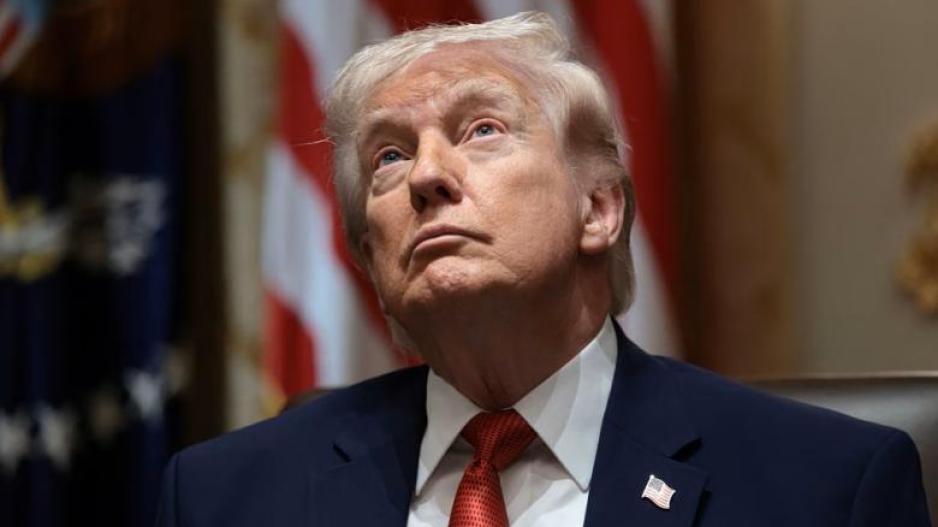
Domestic political tensions in the United States have further complicated the process. Some Democratic figures have described the agreement as a “surrender,” prompting Trump to carefully manage how the deal is communicated publicly. “Don’t listen to the losers, the deal I make will be better than Obama’s,” the president wrote on social media.
Despite apparent agreement on the broader framework, negotiations continue to face obstacles surrounding key implementation details.
One major issue concerns the reopening of the Strait of Hormuz. Both sides agree that the peace deal would reopen the strategic waterway, which is vital for global shipping and oil transportation. However, they have not agreed on who will ultimately control it. Iranian officials insist that maintaining full control of the strait is Iran’s legitimate sovereign right.
This has created political challenges for Washington, where critics argue that allowing Iran to retain control would amount to a major concession. Trump has repeatedly insisted that the agreement will not resemble the Obama-era nuclear deal and will not provide Iran with financial or strategic advantages.
Another major sticking point involves Iran’s enriched uranium stockpiles and nuclear facilities. Israel continues to insist that preventing Iran from obtaining nuclear weapons remains a non-negotiable red line, a message Prime Minister Benjamin Netanyahu reportedly reiterated to Trump during a recent phone call.
Iran has reportedly agreed in principle to hand over its enriched uranium and dismantle nuclear development facilities. The disagreement now centers on how this process would be monitored and by whom. The Trump administration is reportedly demanding that American authorities directly oversee the transfer and inspection process, rather than relying on international monitoring bodies. Tehran sees this as humiliating and politically difficult to accept.
A third area of dispute involves Iran’s proposed public declaration that it has no intention of developing or acquiring nuclear weapons. Iranian negotiators reportedly see this statement as a possible compromise that could ease pressure over uranium inspections. However, questions remain over whether such assurances alone would satisfy Washington and Israel.
Analysts note that deep distrust remains between the two countries, meaning additional time will likely be required even after a preliminary agreement is reached. Once finalized, the agreement is expected to enter a 60-day ceasefire and implementation phase.
U.S. Secretary of State Marco Rubio stated that Washington is prepared to begin “very serious talks” regarding Iran’s nuclear program if Tehran reopens the Strait of Hormuz. He also suggested that the United States may accept a temporary arrangement that does not immediately eliminate Iran’s nuclear capabilities. “You cannot solve nuclear issues in 72 hours on a napkin,” Rubio said during a visit to New Delhi.
Markets appear to believe that a peace agreement is increasingly likely, a perception reinforced by comments from Israeli Prime Minister Benjamin Netanyahu following his latest conversation with Trump. Oil prices have accordingly declined, although only cautiously. Brent crude fell below $100 per barrel, while West Texas Intermediate dropped to around $92.
Analysts say the limited decline reflects continued uncertainty over whether negotiations will ultimately succeed and how quickly shipping through the Strait of Hormuz can fully resume. Around 1,500 to 2,000 ships remain stranded in the Persian Gulf, and even if the strait reopened immediately, restoring normal shipping operations could take months.
Military analysts also note that the region would first need to be cleared of naval mines believed to have been deployed by Iran. International naval forces would likely require weeks to secure safe shipping corridors before insurers and shipping companies regain confidence in the route. According to the International Energy Agency, it could take at least two to three months before oil export operations fully normalize again.
Source: protothema.gr