On Alert: The Central Bank of Cyprus Monitors Risks
Concerns Grow Over a Potential Deterioration of the Trade Balance.
The escalation of the military conflict in Iran places the Central Bank of Cyprus before one of the most complex economic equations in recent years. With crude oil prices stabilizing above $115 per barrel, Cyprus’ energy-dependent economy faces immediate inflationary pressures, while European monetary policy remains on a tight path.
The biggest challenge for the Central Bank concerns the revision of inflation forecasts. The rise in energy costs is rapidly passing through to transportation, food, and essential goods, burdening households and compressing disposable income.
According to information, the Bank’s technocrats are closely monitoring core inflation indicators, attempting to determine whether the shock is temporary or whether it could lead to a more persistent price cycle.
At the same time, Cyprus, as a member of the Eurozone, aligns with the decisions of the European Central Bank (ECB). While expectations for gradual monetary easing had emerged in 2025, the geopolitical flare-up in the Gulf is forcing the ECB’s Governing Council to keep interest rates in restrictive territory for a longer period. The aim is to prevent inflation expectations from becoming destabilized, even if this means higher borrowing costs for businesses and households.
Despite the absence of direct exposure of Cypriot banks to Iranian assets, the Central Bank remains on constant alert for indirect credit risks. The persistence of high interest rates, combined with the rising cost of living, may affect loan repayment capacity, particularly for housing loans and small and medium-sized enterprises.
For this reason, updated stress test scenarios have already been requested, focusing on a prolonged energy crisis and a possible decline in tourism.
According to the latest assessments, capital adequacy and liquidity coverage ratios remain at satisfactory levels.
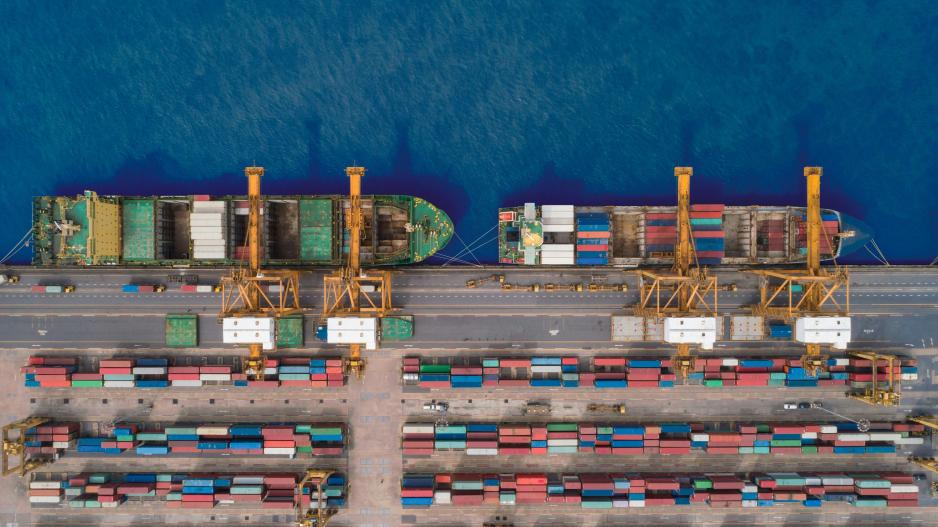
Particular concern is also being raised over the potential deterioration of the trade balance. Rising freight costs, supply chain delays, and risks to shipping in the wider Middle East region directly affect Cyprus’ transit trade. At the same time, uncertainty could weaken tourism flows from traditional markets.
On the fiscal front, the Central Bank maintains a clear position: avoiding measures that could derail public finances. The recommendation to the government is targeted support measures rather than broad subsidies that boost demand and fuel inflation. The experience of previous crises has shown that excessive fiscal loosening during an energy shock can worsen economic imbalances.
The possibility of price increases in raw materials beyond energy, such as grains and metals, is also under close scrutiny, as this could affect production costs and export performance.
In a period of heightened geopolitical volatility, the Central Bank of Cyprus acts as a guardian of systemic stability. Through a conservative strategy, strengthened capital buffers, and strict supervision, it aims to shield the economy against a scenario of prolonged uncertainty.
Source: Brief