Central Bank of Cyprus Eyes German-Style Reform
Governor Christodoulos Patsalides outlines structural modernization plan to strengthen independence and efficiency.
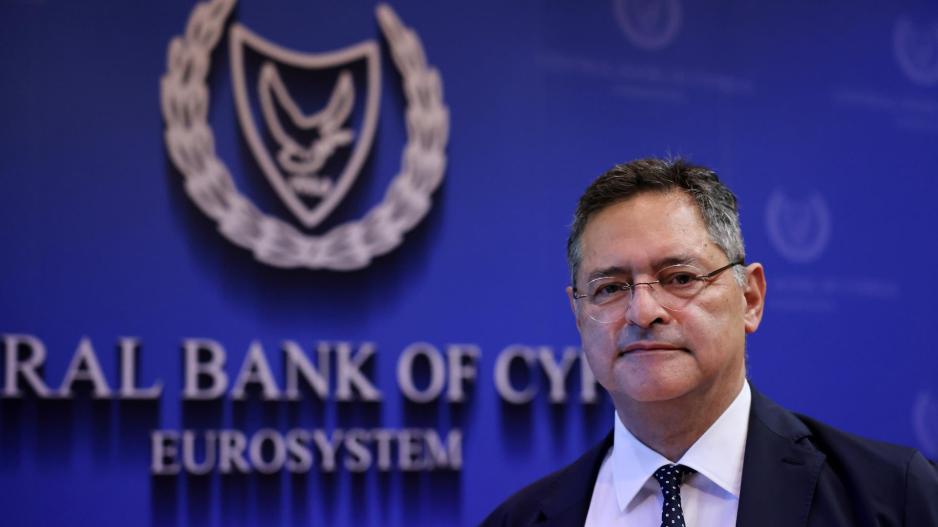
A significant governance reform initiative at the Central Bank of Cyprus (CBC), aimed at strengthening the sustainability of public finances and ensuring long-term prosperity for citizens, was outlined by the Bank’s Governor, Christodoulos Patsalides, during a presentation to the Parliamentary Committee on Finance on Monday, as part of discussions on the 2026 State Budget.
According to Mr. Patsalides, Cyprus’s participation in the Eurosystem — the network of national central banks within the euro area and the European Central Bank (ECB) — offers many benefits and opportunities that remain underutilized. At the same time, it entails obligations where, as he noted, there is “significant room for improvement and evolution.”
He emphasized the need for a holistic modernization, involving the creation of a leaner and more efficient governance model, to ensure the Bank’s ability to respond effectively to future challenges and opportunities.
Mr. Patsalides explained that, in September 2024, a study was conducted to modernize the CBC’s governance structure. Following the study, the Bank prepared a comprehensive proposal and draft legislative amendments, which have been submitted to President Nikos Christodoulides and Finance Minister Makis Keravnos.
The proposed framework is based on the model of the Deutsche Bundesbank, Germany’s central bank, which is widely regarded for its strong governance standards, institutional independence, and clearly defined decision-making structure.
Under this model, the reform proposes the establishment of a six-member Executive Board as the supreme internal administrative body of the Bank. The Board would consist of the Governor, the Deputy Governor, and four members, all serving a single, non-renewable seven-year term.
As under the current framework, the Governor would continue to represent Cyprus as a member of the Governing Council of the European Central Bank, in accordance with the Treaty on the Functioning of the European Union.
Mr. Patsalides described the reform as “an overdue but essential step” — noting that 62 years after its establishment, the Central Bank of Cyprus must adapt to strengthen its role within the European system and meet future challenges more effectively.
Responding to a question from a DISY MP about the government’s reaction to the proposal, the Governor said that President Christodoulides has responded positively to the modernization plan. However, he added that the government has not yet had the opportunity to examine the proposal in full detail and will provide its position in due course.
The “Bundesbank Model” refers to the institutional and operational framework of the Deutsche Bundesbank, Germany’s central bank, which became a benchmark for central bank independence and monetary stability, especially during the postwar and pre-euro era.
It’s not a formal “model” codified in one document, but rather a term used to describe the set of principles, governance structure, and policy approach that defined the Bundesbank’s success and influence — particularly in shaping the European Central Bank (ECB).
-
It operates under strong checks and balances, ensuring decision-making free from political influence.
-
The model has been praised for fostering stability, transparency, and credibility in monetary policy — qualities that the Central Bank of Cyprus seeks to emulate.