EAC Unions to Decide on Escalation of Strike Measures Within 48 Hours
Union Leaders Warn of Critical “Ailments” in Cyprus’ Energy Sector
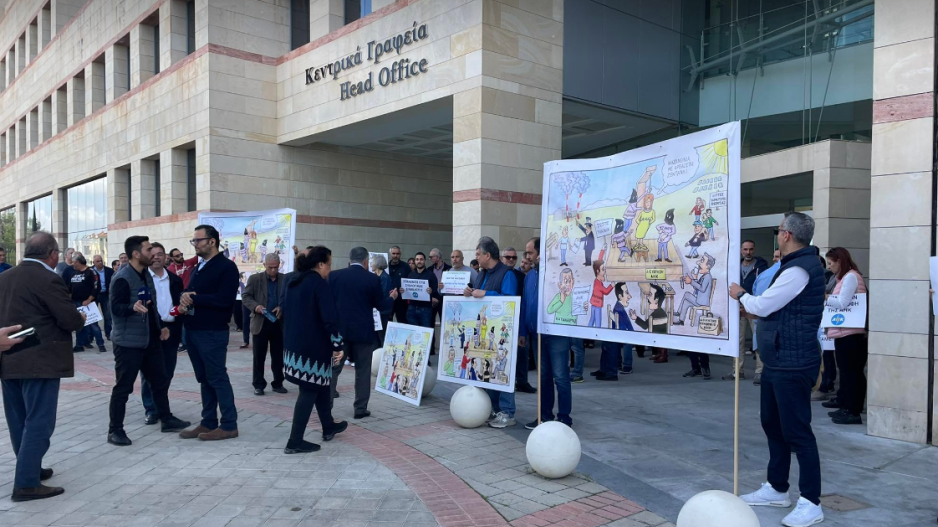
Employees at the Electricity Authority of Cyprus (EAC) will decide within the next two days on whether to escalate strike action. The workers are demanding solutions to issues regarding the adequacy and cost of electricity.
Speaking to CNA, the President of the EPOPAI-OHO-SEK union, Kyriakos Tafounas, stated that the core of the issue lies in two "ailing pillars": supply adequacy and electricity costs.
"There are steps that must be taken if we want to ensure adequacy, and there are things that could—and still can—be done to reduce the cost of electricity," he said, warning that otherwise, market forces will continue to drive prices higher. He also noted that the passing of the recent bill regarding Cyta’s involvement (Cyprus Telecommunications Authority) "will once again lead to higher electricity costs."
Mr. Tafounas emphasized that because Cyprus is a small, isolated island relying on conventional fuels (which incur high carbon emission costs), the only solution is a significant percentage of Renewable Energy Sources (RES) in the EAC’s production and supply mix.
"This can be achieved either through EAC-owned solar parks—which we have been prevented from building for years—or by granting the EAC the right to buy power from private producers who are willing to sell cheaper, so the savings can be passed on to consumers," he added.
Regarding power adequacy, the EPOPAI President told CNA it is vital to:
- Proceed with investments at the Dhekelia power station by installing new units.
- Retrofit the older units at Vassilikos (Units 1, 2, and 3) with anti-pollution technology.
- Note: Without these upgrades, strict EU emission criteria will force these units to shut down by 2029.
On the topic of EAC solar parks, Mr. Tafounas noted that while permission was granted in 2023, "there is no longer private land available" as it has already been utilized or reserved by private developers. He called on the state to grant government land to the EAC for parks, noting that the EAC’s current 20MW of renewables produces energy at the low cost of 5-6 cents per kilowatt-hour.
Addressing the current water shortage, Mr. Tafounas revealed that since 2018, the EAC had proposed:
- Constructing a large desalination plant at Moni (60,000 tons).
- Expanding the existing Vassilikos plant by 40,000 tons.
Instead, he criticized the decision to build a private plant in Mazotos on state land with an €85 million subsidy, rather than utilizing the EAC’s existing infrastructure.