What to Know About Energean’s Cyprus-Israel Gas Pipeline Proposal
Key details on the 200-km subsea pipeline, expected benefits, regulatory hurdles, and timelines for potential operation.

At the 13th Energy Symposium held in Nicosia on Wednesday, 19 November, Energean CEO Mathios Rigas outlined the 'significant benefits' Cyprus could gain from importing natural gas via a pipeline from Israel.
The proposed Israel–Cyprus natural gas pipeline has the support of the Israeli government and is expected to benefit both countries by strengthening bilateral cooperation and helping create a more competitive regional gas market, Rigas claimed.
Mr Rigas stressed that a direct pipeline connection between Israel and Cyprus is fully complementary to the Republic of Cyprus’ existing plans for the FSRU in Vasilikos. “It is essential that all scheduled infrastructure projects move forward so that Cyprus can capitalise on its geographical position and evolve into an energy hub for the region,” he noted.
According to the company, transporting natural gas from Israel to Cyprus would deliver several important advantages.
“Energean supports an open market, healthy competition, and secure supply. Our proposal offers a practical and cost-effective solution to end Cyprus’ energy isolation by providing direct access to gas from a neighbouring country while supporting a transition to a cleaner, more sustainable energy system. It also facilitates the development of domestic fields for export via Egypt,” Mr Rigas added.
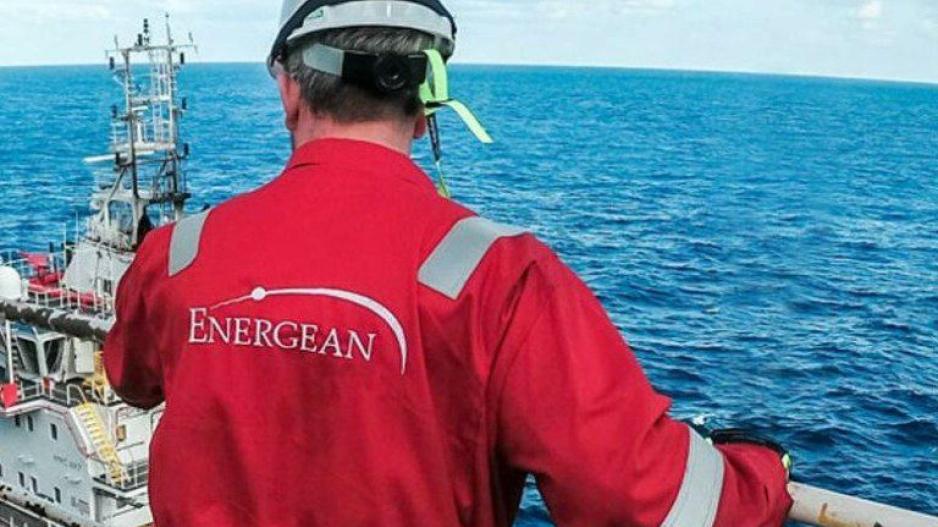
Energean proposes to design, construct, own, and operate a new 200-km subsea pipeline linking the Energean Power FPSO, which produces from the Karish and Karish North fields in Israel, to Cyprus and the Cyfield Group’s power generation facilities in Mari, Larnaca.
A Letter of Intent has already been signed with the Cyfield Group for the transport of 0.3 billion cubic metres of gas annually.
The pipeline could begin operating within 12 months of receiving all required permits.
The project requires formal approval from both the Cyprus and Israel governments. “We recognise the current structure of the Cypriot market, which was designated ‘emerging’ by the previous government to allow conditions that protect a monopoly. However, the Cypriot government now has the opportunity to revise the regulatory framework and align the market with the competitive conditions required by the EU for all member states,” the Energean CEO concluded.