Europe Turns to the Middle East and Arab Partners to Secure Its Energy Future
Energy Issues and the Strait of Hormuz Set to Dominate Tomorrow’s Informal EU Summit.
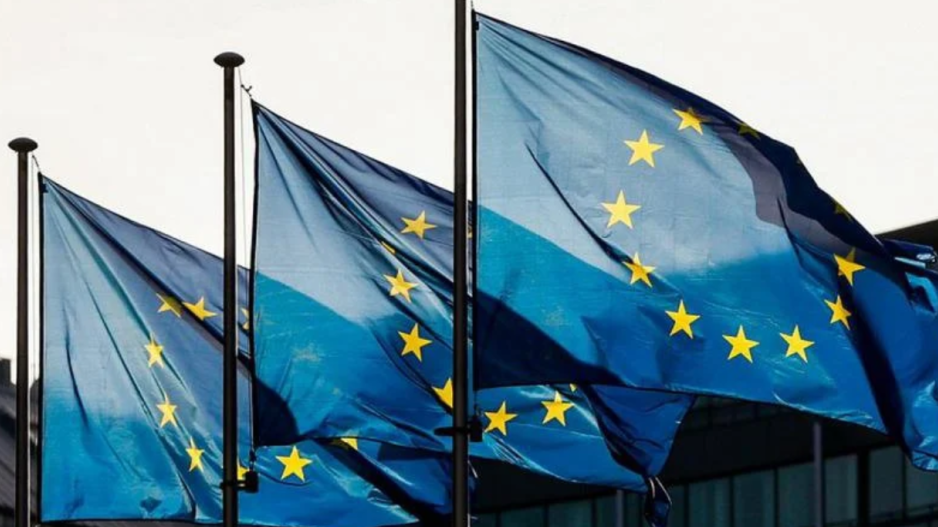
At today’s working lunch, the EU sits at the same table with Arab leaders as a partner in need. The agenda with Egypt, Jordan, Lebanon, and the Gulf Cooperation Council is highly sensitive.
Following its painful detachment from Russian gas, the EU is urgently seeking new energy lifelines. Discussions go beyond existing pipelines, extending to green hydrogen and electrical interconnections. Brussels is offering technical expertise and access to the single market, seeking in return fixed pricing structures and guaranteed supply flows to shield European industry from disruption.
Concerns over the Strait of Hormuz and the Red Sea are not theoretical. Any disruption in these critical chokepoints would immediately drive up insurance costs, triggering inflationary shocks that could severely impact the purchasing power of European citizens.
Gulf leaders are no longer seen solely as oil producers, but as guardians of maritime routes. Europe is calling on them to act as stabilizers, offering investment incentives in critical infrastructure such as ports, 5G networks, and logistics in exchange for keeping vital sea lanes open.
In this context, Cyprus is no longer perceived as the weak link but is being repositioned as a key intermediary, a western outpost that understands the region while operating with the authority of Brussels.
Cyprus is leveraging its stability, providing the EU with the foothold it needs to turn geopolitical uncertainty into long-term strategic presence. The message to the international community is clear: the security of Europe is no longer determined solely in Brussels, but within the delicate dynamics of the Eastern Mediterranean.
The outcome of these informal yet crucial discussions is expected to determine whether Europe will remain a strong global player or evolve into a passive observer of geopolitical developments. Cooperation with the Arab world is no longer optional, but inevitable.
Tomorrow’s closed-door diplomacy will focus on the immediate safeguarding of energy flows, with European leaders seeking firm commitments from Arab partners to ensure stability in LNG and oil supplies. The key lies in establishing a permanent bridge of capital, as the EU opens the door to Gulf sovereign fund investments in European ports and high-tech infrastructure, offering in return a strategic alliance that also secures Arab interests within Europe. At the same time, discussions around Lebanon and Egypt will intensify, with Nicosia pushing for a comprehensive plan to manage migration flows, linking border security with the broader economic stability of the region.
Source: Brief