Concerns, Risks, and Complaints: Inside the Patsalides–Cyprus Bank CEOs Meeting
The Governor of the Central Bank of Cyprus held his first meeting with local bank CEOs.
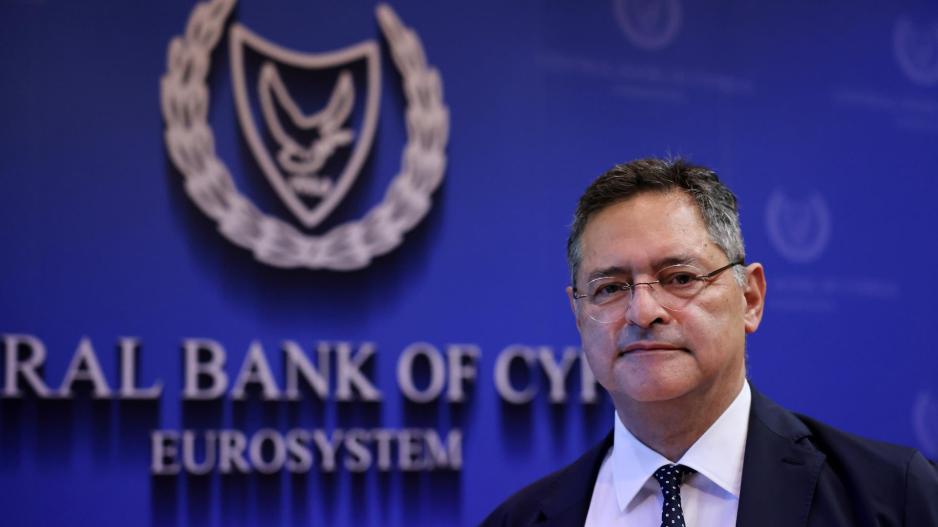
Potential risks that could negatively impact the banking system were assessed during the first meeting between Christakis Patsalides, Governor of the Central Bank of Cyprus (CBC), and the CEOs of domestic banking institutions.
This was the first such meeting between the domestic regulator and all heads of financial institutions, and according to Brief, it will likely become a regular practice throughout Mr. Patsalides’ term.
All participants acknowledged the importance of the Governor’s briefing, particularly regarding the European Central Bank’s (ECB) current thoughts, intentions, and concerns about major financial challenges at both the European and national levels.
According to Brief’s sources, the meeting’s agenda included 12 key topics, all of which were discussed in depth by the Governor.
Following the presentations, participants exchanged views, raised questions, and made suggestions based on their experience in banking and participation in decision-making bodies.

At the forefront of potential risks were geostrategic and commercial threats, cybersecurity, climate change, credit expansion, and competition from electronic money institutions.
Discussions highlighted unpredictable geopolitical developments and the uncertainty caused by a potential escalation in the global “trade war,” including abrupt tariff adjustments.
According to the Governor’s briefing, any surge in geopolitical tensions or negative developments in trade policy could rekindle inflation, possibly triggering a new wave of interest rate hikes.
The ECB has managed to bring inflation down from over 9%—mainly due to the war in Ukraine—to 2%, achieving its policy target.
Nevertheless, participants did not rule out a sudden rise in borrowing costs if unexpected geopolitical or trade shocks occur.
During the discussion between the Governor and bank CEOs, concerns were raised about credit expansion, especially given banks’ strong financial results and dividend payments—currently by Bank of Cyprus, and potentially by Eurobank from 2026.
Data from the Central Bank showed a notable rise in lending in recent months. The Governor urged banks to exercise caution and closely monitor credit growth indicators to prevent overheating.
The digital euro was also discussed, remaining a top priority for the ECB in Frankfurt.
Although the preparatory phase began in November 2023, its legal framework is expected in 2026, with full implementation now projected for 2028.
The Digital Euro will serve as a digital form of physical currency, accessible to all citizens and designed as a complementary means of payment, not a replacement for cash.

Another major issue raised was the increasing competition from electronic money institutions (EMIs).
Some participants described this competition as “unfair”, as EMIs provide banking-like services without being subject to the same strict regulatory and capital adequacy requirements as banks.
These companies issue and manage electronic money, facilitating digital payments through prepaid cards and digital wallets, though they are not permitted to offer loans.
Several executives emphasized that beyond concerns over unfair competition, banks must accelerate digital transformation to remain competitive—especially with younger generations demanding faster, more digital services.
As one participant told Brief: “If you want to remain competitive and sustainable, you must evolve.”
The Governor urged bankers to stay vigilant, monitor their indicators closely, and be well-prepared for unforeseen risks, especially amid ongoing trade war volatility.
Both the supervisor and the banks agreed that domestic (endogenous) risks currently pose no significant concern.
They emphasized that the Cypriot economy remains robust, the banking system stable, key indicators improving, and most banks reporting higher profits.
Finally, Mr. Patsalides brought to the CEOs’ attention complaints from borrowers, depositors, and business owners, particularly concerning loan restructuring practices.