What the New Study by the Central Bank of Cyprus Reveals
Digitalization Acts as a “Catalyst” for Competition.
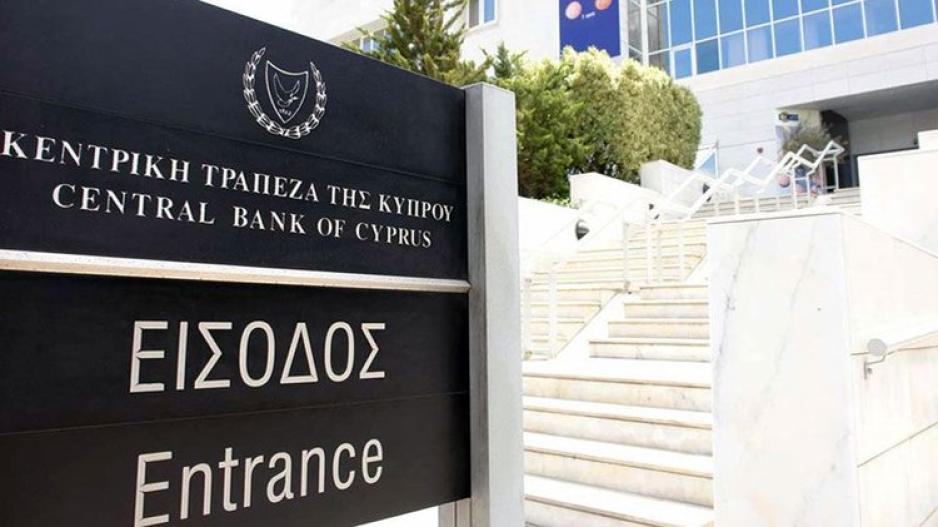
At a time when borrowing costs remain at the center of political and economic debate, the Central Bank of Cyprus has published an extensive thematic study examining the competitive landscape of the domestic banking sector. The analysis by Aris Avgousti and Stefania Michael goes beyond static data, linking market structure with the effectiveness of monetary policy and the well-being of citizens.
The study’s most critical finding concerns the way banks pass on interest rate increases from the European Central Bank.
Cyprus, as a highly concentrated market, confirms the theory that dominant banks tend to delay adjusting deposit rates while quickly incorporating rate increases into loans.
Using the Lerner index, which measures the difference between the price of a banking product and its marginal cost of production, the study shows that the market power of Cypriot banks increased significantly between 2022 and 2024. Profit margins (spreads) widened to levels ranging between 37% and 45%, reflecting a temporary but strong profitability driven by excess liquidity and limited competitive pressure to attract deposits.
Although the Herfindahl-Hirschman Index places Cyprus among the most concentrated banking markets in the eurozone, largely due to the successive acquisitions and mergers of the past decade, the study introduces an important distinction: concentration does not always equate to a lack of competition.
According to the Boone indicator, which measures competitive efficiency based on the ability of more efficient banks to gain market share, Cyprus ranks at a “moderate” level. However, the researchers warn that further consolidation of the sector, if not accompanied by the entry of new players or the strengthening of smaller institutions, could lead to monopolistic behavior that would harm small and medium-sized enterprises and households.
One optimistic note in the study is the rise of neobanks and fintech companies. Digitalization acts as a “catalyst” for competition, as it lowers the barriers to entry for new players.
The study highlights that Cyprus should encourage the adoption of innovative solutions that allow consumers to compare products and transfer their accounts with minimal cost and bureaucracy.
“Digital transformation is not simply a technological upgrade, but a tool for the democratization of banking,” the report notes, suggesting that pressure from digital players could push traditional banks to offer more competitive interest rates.
The study also highlights the risks of “excessive” competition. If banks face too much pressure on their profit margins, they may turn to riskier lending in order to maintain returns, which could undermine financial stability.
The main recommendations to the state and the Central Bank of Cyprus include:
First, the creation of tools that allow citizens to compare interest rates and charges more easily.
Second, facilitating the transfer of loans and deposits between financial institutions.
Third, the development of a unified European banking market that would allow banks from other EU countries to operate more easily in Cyprus, increasing consumer choice.
The report serves as a warning about the need for continuous vigilance. In an economy that relies heavily on bank lending, ensuring that banks operate competitively is not only a matter of fairness, but also a prerequisite for maintaining citizens’ purchasing power and the sustainability of Cypriot businesses in a changing international environment.
Source: Brief