No National Impact Study on EU–Mercosur Deal, Cyprus Minister Admits
Agriculture sector fears fallout as government points to EU-level safeguards.
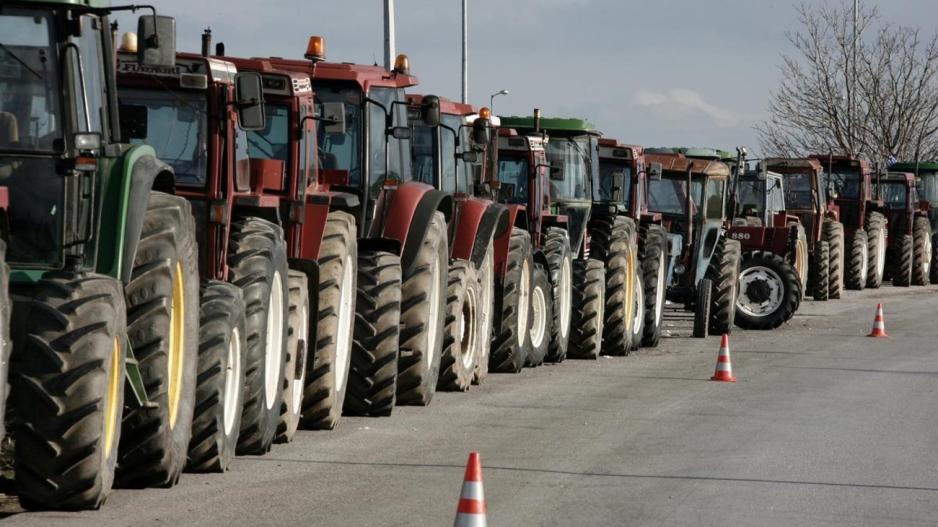
Cyprus did not conduct a national impact assessment on the potential effects of the EU–Mercosur trade agreement, Energy, Commerce and Industry Minister Michalis Damianou told the House Agriculture Committee on Tuesday, prompting strong reactions from MPs and agricultural stakeholders.
Addressing the Committee, the Minister said it is not customary for individual EU member states to carry out impact studies for such trade agreements, noting that relevant assessments had been conducted at EU level. He pointed out that the agreement has been under negotiation for approximately 25 years and that no national impact studies had been carried out during that period. According to Mr Damianou, Cyprus’s trade volumes with Mercosur countries are limited, and the available data do not indicate a significant impact on the Cypriot economy.
However, Green Party MP Charalambos Theopemptou challenged this position, stating that countries such as Ireland, Belgium, the Netherlands, France and Austria had carried out—or were in the process of conducting—national impact assessments. He argued that Cyprus should have done the same in order to monitor the agreement’s effects and respond swiftly if negative consequences arise.
The implications of the EU–Mercosur agreement for Cyprus’s primary sector were discussed for a second consecutive week in the Agriculture Committee. Committee Chairman and AKEL MP Yiannakis Gavriel said that during the previous session there was broad agreement—excluding the executive branch—that the deal would be detrimental, if not disastrous, for Cyprus’s primary sector.
Mr Gavriel questioned why Cyprus supported the agreement, given that it does not export heavy industrial products, while sensitive goods such as halloumi were not included in the list of exempted products. He also asked about the timeline for incorporating halloumi as a protected designation of origin (PDO) within the agreement.
The Minister described the agreement as “strategic” for the European Union, arguing that it opens access to a large market and creates new opportunities for European and Cypriot businesses. He said that Cypriot consumers are expected to benefit from lower tariffs on imports, while potential gains could also emerge for shipping, pharmaceuticals and certain agricultural exports. Most imports from Mercosur countries, he added, currently concern products such as soy oil, concentrated juice, coffee and animal feed.
On agriculture specifically, Mr Damianou stressed that existing import and export volumes between Cyprus and Mercosur countries are very small. He said safeguard clauses are included in the agreement, allowing for rapid intervention should market disruptions occur.
Regarding the exclusion of halloumi from the sensitive products list, the Minister explained that when the relevant annex was finalised in 2019, halloumi had not yet been registered as a PDO. He added that once the agreement enters into force, Cyprus will be able to request an amendment to include halloumi.
Opposition MPs expressed deep concerns over unfair competition, food safety and the state’s ability to protect local producers. DISY MP Charalambos Pazaros asked what exemptions Cyprus had secured, noting that Greece obtained exclusions for 21 products, and raised concerns about banned pesticides re-entering the EU market.
AKEL MP Valentinos Fakontis questioned the measurable benefits for Cyprus, pointing to limited exports, lack of industrial production and mounting pressures on local farmers due to water shortages and rising compliance costs.
Agricultural organisations also voiced strong opposition. Pancyprian Farmers’ Union Secretary General Christos Papapetrou warned that the agreement could undermine the viability of Cypriot agriculture, despite possible reductions in animal feed costs. Representatives of Panagrotikos and other organisations highlighted unfair competition and health risks, calling for robust safety nets and meaningful participation in EU-level decision-making.
Responding to criticism, the Director General of the Ministry of Agriculture, Andreas Grigoriou, said mechanisms are in place to protect European agriculture, including safeguard clauses, quotas, compliance with EU standards and a €6.5 billion safety net for farmers. He added that the list of protected geographical products can be revised post-ratification, allowing for halloumi’s inclusion.