November’s First Ten Days Crucial for Cyprus’ Credit Rating Review
Rating agencies to examine growth, public finances, and energy-related risks in their upcoming review.

The first ten days of November will be critical for Cyprus’ economy, as the island’s creditworthiness and public finances are set to be evaluated by the world’s three leading rating agencies — Moody’s, Fitch, and Standard & Poor’s (S&P), collectively known as the “Big Three.”
These international credit rating agencies control approximately 95% of all global credit assessments, making their evaluations pivotal for Cyprus’ financial standing and investment outlook.
According to information obtained by Brief, the agencies have indicated in their notes to the Ministry of Finance that their assessments will primarily focus on macroeconomic indicators — including economic growth, inflation, labour market performance, the current account balance, and public debt levels.
Official data from the Cyprus Statistical Service show that most of these indicators remain strong and comparatively better than those of several other EU member states.
However, despite the positive macroeconomic picture, the rating agencies will also closely examine potential risks to public finances and evaluate medium-term forecasts.

The upcoming reviews will take into account fiscal indicators such as the overall budget surplus, the primary surplus, and the structure of public spending and revenues.
While Cyprus continues to record robust economic growth, with declining public debt, near-zero unemployment, and stability in the financial sector, the Big Three remain cautious. Their reports consistently highlight both external risks — such as geopolitical tensions — and domestic vulnerabilities, including structural fiscal pressures.
Over the past three years, the agencies’ reports have consistently included forward-looking risk assessments, warning the authorities — and in particular the Ministry of Finance, which manages the country’s public finances and serves as Cyprus’ largest employer — to exercise fiscal prudence.
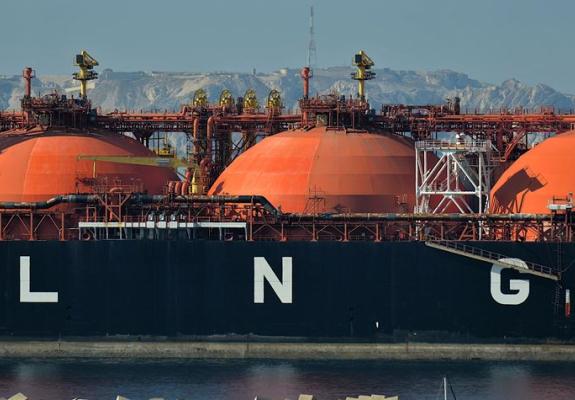
The Big Three have identified energy-related issues as a major source of potential fiscal risk. These include projects such as the Vasilikos energy complex, the EuroAsia Interconnector, and hydrocarbon exploration within Cyprus’ Exclusive Economic Zone (EEZ).
The agencies have also underlined geopolitical developments and the related risk factors, especially concerning regional energy infrastructure and interconnectivity, as areas that could affect Cyprus’ economic outlook and investor confidence.

Another area of concern is the Automatic Cost-of-Living Allowance system, known in Cyprus as ΑΤΑ. International agencies have repeatedly warned that the expansion of the public wage bill — driven by automatic annual pay increases in the public and semi-public sectors — poses a long-term fiscal risk.
Both the Troika and rating agencies view the ATA mechanism as a rigid and unsustainable expenditure, warning that, over time, it could lead to fiscal imbalances if not managed carefully.
These concerns echo the findings of a recent International Monetary Fund (IMF) report, which focused specifically on the impact of the continued implementation of ATA on Cyprus’ public finances.
The Big Three have also requested detailed updates on the government’s tax reform plans, including progress on introducing green taxation policies aligned with EU sustainability goals.
Additionally, they have sought up-to-date data on the financial sector, particularly regarding non-performing loans (NPLs), bank profitability, capital adequacy, and liquidity levels across Cypriot banking institutions.