Cost of Living in Cyprus 2025: What Locals and Expats Need to Know
From rent and groceries to wages and utilities, a full picture of life on the island for locals and expats.
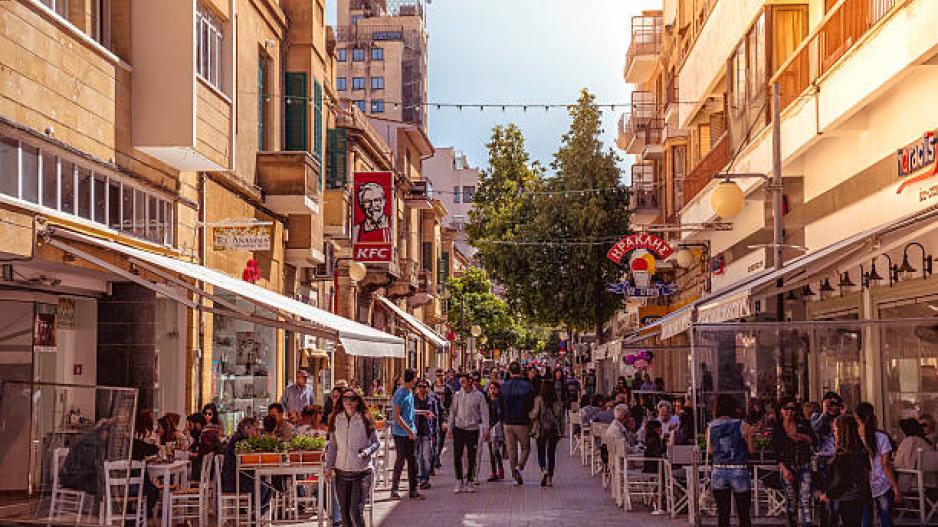
In 2025, Cyprus remains a popular destination for both locals building a life and foreigners seeking a Mediterranean escape. But the cost of living — driven by rising rents, energy bills, and global inflation trends — has become a growing concern. While the island is still more affordable than much of Western Europe, especially for retirees and remote workers from high-income countries, affordability is not universal. Here’s what it actually costs to live in Cyprus today.
Housing is the largest monthly expense for most households. The island’s most expensive city is Limassol, where a one-bedroom apartment in the city center costs about €1,300 per month. Prices are significantly lower in Nicosia, where the same type of flat rents for roughly €670, and in Larnaca or Paphos, where rates hover between €800 and €900.
Larger units, such as a three-bedroom flat, can reach €2,300 or more in Limassol, while staying closer to €1,300–€1,700 in the other cities. Property prices mirror this pattern, with Limassol city-center apartments averaging over €4,800 per square meter, compared to €2,600–€3,100 in cities like Nicosia, Larnaca, and Paphos.
While many locals own their homes, young Cypriots and new arrivals — including expats — often rent, and rising rental prices have become a major pressure point.

Food prices in Cyprus have increased in recent years, though basic groceries remain affordable by European standards. A liter of milk costs around €1.60, a loaf of bread about €2, and a dozen eggs €3.50. Fresh fruits and vegetables, especially local and seasonal ones, are generally well priced. For example, tomatoes or oranges cost about €1.50–€2.50 per kilo.
A single person might spend €250–€350 monthly on groceries, depending on habits. Shopping at local markets and sticking to Cypriot brands can stretch the budget further.
Dining out is also affordable in most areas. A meal at a modest restaurant costs around €15, while a mid-range dinner for two may set you back €60. Coffee culture is big: a cappuccino costs about €3.50, while a beer at a bar goes for €3–€4.
Utility bills vary by season, with electricity costs spiking during the hot summer months due to air-conditioning. A one-bedroom apartment might incur around €70–€100 per month in mild months, and up to €150–€200 during peak summer. On average, utility bills for an 85 m² apartment — covering electricity, water, waste, and heating — amount to about €180 monthly.
Water is relatively cheap, and broadband internet is widely available at competitive prices. High-speed connections typically cost €25–€35 per month, while mobile phone plans with data are around €20–€25.

While public transport exists — mainly buses — coverage is limited, especially outside city centers. A local bus ticket costs €1.50–€2.40, and a monthly pass is about €40. Many residents therefore rely on cars, particularly in rural areas.
Fuel prices hover around €1.40 per liter, and car owners must also budget for insurance, road tax, and occasional maintenance. A used car may cost €5,000–€10,000, with annual running costs (excluding fuel) of about €600–€800.
Cyprus has a two-tier healthcare system. Public healthcare under the General Health System (GHS) is accessible to residents and citizens, with small copayments for doctor visits and prescriptions. Expats who contribute to social insurance also qualify. Private healthcare is faster but more expensive, with GP visits ranging from €50 to €100, and specialists often exceeding €150. Private health insurance costs about €150–€300 per month, depending on age and coverage.
Public schools are free and generally used by Cypriot families. However, many expats choose international or private schools, where tuition ranges between €5,000 and €10,000 per year per child. These figures exclude extra costs like books, uniforms, and transport.
Urban living comes at a premium. Limassol is the most expensive overall, driven by international business activity and real estate demand. Nicosia, the capital, is more affordable for renters and offers solid infrastructure. Paphos, by contrast, is considered the cheapest major city — popular with retirees and those seeking a slower pace.
Rural areas and villages offer even lower housing and food costs, but lack public services and require car ownership. Many families choose to live in suburbs or smaller towns and commute to cities for work.
After a sharp inflation spike in 2022, consumer prices in Cyprus have stabilized. In early 2025, inflation was around 2.1%, a manageable rate. However, many goods — especially food and rent — remain more expensive than they were just a few years ago.
Wage growth has lagged behind for many, particularly in lower-paid sectors like retail, hospitality, and agriculture. That has led to a squeeze on real incomes and an ongoing debate about affordable housing and wage policy.
To put numbers on it: the monthly cost of living for a single person in Cyprus typically ranges from €1,100 to €1,700, depending on location and lifestyle, while couples or small families may need anywhere from €2,000 to over €3,500 per month to cover basic expenses and housing. Those living in Limassol or sending children to private school will need even more.
So, is Cyprus affordable in 2025? The answer depends largely on your income and lifestyle. Expats earning foreign wages or high-skilled workers in finance and tech often enjoy a comfortable life. Retirees may find costs manageable if they avoid the pricier cities. But for average Cypriots and many low- to mid-income earners, the rising cost of living is a growing concern — especially when it comes to rent and energy bills.