The ‘Last Chance’ Saga: New Tax Warnings for Football Clubs
The 14 First Division clubs received another 'strict ultimatum' from the Tax Department — pay off old debts in 145 installments or face exclusion and account seizures.

The long-standing saga of unpaid tax debts by football clubs continues, as the Tax Commissioner issues yet another round of stern warnings. Clubs have once again received a so-called “last chance” — a term that has lost its meaning after being repeated so frequently in recent months. This leniency is causing visible cracks in the principle of equal treatment under the law, undermining public trust in the government’s consistency when it comes to collecting tax debts from individuals and businesses alike.
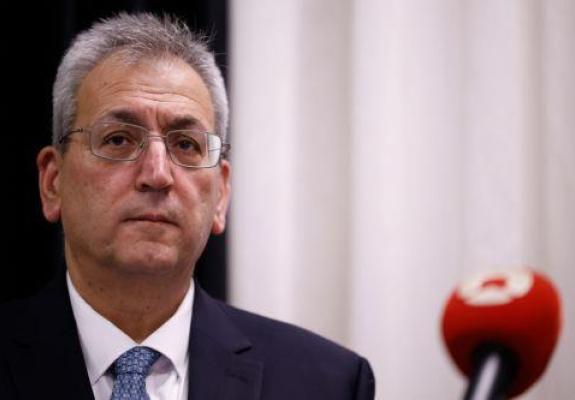
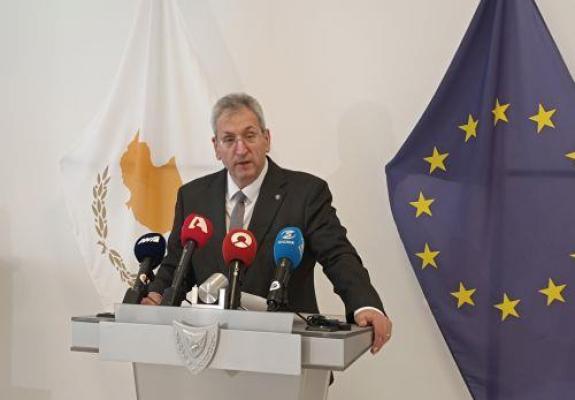
As Brief reports, in a high-level meeting held at the Ministry of Finance, Tax Commissioner Sotiris Markides and Nick Nikolaou, a member of the First Instance Licensing Committee, issued 'clear' and 'strict' messages to the 14 clubs of the First Division, demanding immediate compliance with their obligations to the state.
During the meeting, all club representatives — except for AEK Larnaca, which has no outstanding debt — were handed official letters detailing their total debts to the Tax Department and the exact amount they are required to pay monthly.
Under the commissioner’s decision, the clubs must repay their overdue debts through 145 monthly installments. If a club fails to pay three consecutive installments, it will be removed from the scheme and all its bank accounts will be frozen.
Furthermore, the Commissioner warned that legal charges will be filed in court in accordance with the law. He emphasized: “The excuses are over, gentlemen.”
Markides added, “Just like us, your fans are receiving the message loud and clear — they want their clubs to be financially responsible and fulfill their obligations to the state.”
High-ranking representatives of the football clubs expressed respect for the Tax Department’s directives and pledged that from now on, state payments would be prioritized.
Clubs were instructed to prepare their budgets realistically, based on existing revenues rather than future expectations from TV rights, European competitions, or betting levies.
One of the meeting’s standout moments was an intervention by Stavros Papastavrou, Chairman of Omonia Nicosia. He stressed the need for everyone involved to respect the principle of financial fair play, pointing out that his club has consistently met its tax obligations. He also raised concerns about how certain clubs were allowed back into the scheme, implying favoritism in the process.
The Commissioner and a Cyprus Football Association (CFA) representative confirmed that a continuous oversight system will be implemented to monitor clubs’ compliance with state obligations. Clubs will receive advance warnings to ensure strict adherence to the terms.
They were also instructed to base their financial plans on available resources, not on uncertain future income streams.
The next evaluation of club compliance will take place in early September, when the First Instance Licensing Committee reconvenes. Each club will be scrutinized to determine whether it has honored its financial commitments to the Tax Department and the Social Insurance Fund.