Tax Incentives for Brain Gain in Cyprus Under Scrutiny: Stakeholders Demand Rethink
Lawmakers and stakeholders raise concerns over fairness, definitions of “talent,” and lack of public consultation in proposed tax incentive reforms.

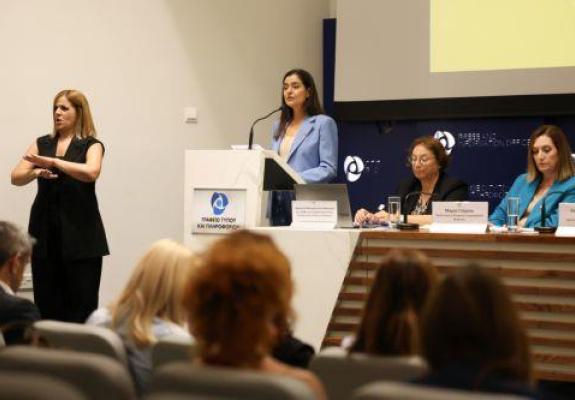
The need to review the legislative framework governing tax incentives and other facilitation measures—aimed at attracting skilled professionals to the Republic of Cyprus and encouraging the repatriation of Cypriot citizens—was highlighted during today’s meeting of the Parliamentary Committee on Finance. The call came from both invited stakeholders and committee members.
The Chair of the Committee and DIKO MP Christiana Erotokritou urged relevant parties to initiate a public consultation process as soon as possible. She emphasized that, according to the Cyprus Bar Association, some of the affected stakeholders had never been invited to engage in public dialogue with the Ministry of Finance on the issue.
During the session, committee members underscored the importance of defining what qualifies as attracting "talent"—questioning whether this should be limited to academic qualifications or include professional experience as well.
Significant concerns were voiced by the Cyprus Bar Association over the potential for unequal treatment of taxpayers under the proposed tax incentives. Although the Legal Service argued that no such issue arises—since tax exemptions are calculated based on time spent abroad—the Bar Association expressed surprise at this stance. It warned that such measures might actually promote brain drain, explaining that they could incentivize specialized professionals currently in Cyprus to move abroad temporarily, in order to later qualify for tax exemptions upon return.
The Bar Association also pointed out the problems arising from the lack of a clear definition of "talent." It warned that this vagueness could lead to unequal treatment and stressed that the matter may ultimately be settled by Cypriot courts.
The Cyprus Chamber of Commerce and Industry (CCCI) and the Employers and Industrialists Federation (OEB) echoed the Bar Association’s concerns. They emphasized the need for a holistic framework focused on reversing brain drain and encouraging brain gain.
Committee Chair Erotokritou stated that there is still room for consultation with all stakeholders. She noted that while the bill aims to bring successful scientists and entrepreneurs back to Cyprus, it has sparked skepticism and concern that what serves as an incentive for one group may act as a disincentive for another. She called on the Ministry of Finance to hold consultations before September and announced that a new committee session would be scheduled once this process is complete. The Ministry has indicated openness to reexamining the law.
DISY MP Savia Orphanidou commented that attracting skilled professionals is inherently a political issue and criticized the absence of prior public consultation. She also called for a review of the bill to adopt a more holistic approach with stricter criteria, in order to avoid creating a two-tier labor system.
AKEL MP Andreas Kavkalias noted that the Ministry’s proposal lacked substantiation, as Parliament had not received the data it requested since 2022 regarding the outcomes of a previous repatriation scheme.
Alekos Tryonides, MP and Parliamentary Representative for DIPA-Cooperation, stated after the session that his party was initially supportive of the proposal. However, following today’s discussion, it became clear that further dialogue and meaningful consultation with all stakeholders is needed.