European Capital of Culture 2030: What Comes Next for Larnaca
The years leading up to 2030 are expected to focus on building capacity, improving cultural infrastructure, and strengthening the local creative sector.
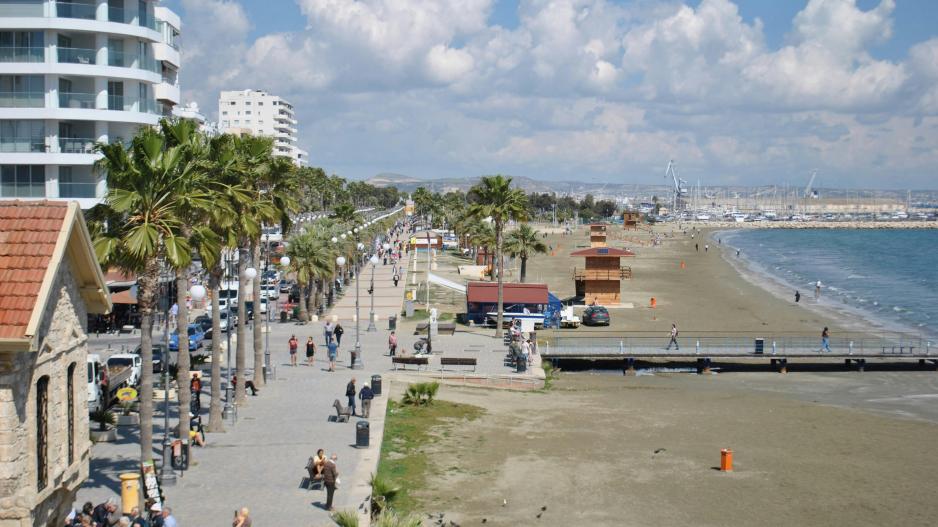
Larnaca has officially been named a European Capital of Culture for 2030, a title awarded by the EU after a closely contested race against Limassol. This is only the second time Cyprus has secured the honour, following Paphos in 2017.
The announcement was celebrated in Larnaca, with city officials presenting a cultural vision described as inclusive, sustainable and accessible. As part of the selection, Larnaca will host a year-long programme of cultural events in 2030, sharing the spotlight with Leuven (Belgium) and Nikšić (Montenegro).
Being chosen as a European Capital of Culture is intended to be more than symbolic. The programme, launched in 1985, aims to highlight cultural diversity, strengthen European links, involve local communities, and support local development. EU evaluations have linked past ECoC years with benefits such as increased cultural activity, stronger community participation, and added visibility for host cities.
For Larnaca, the title brings both obligations and opportunities. The city must deliver a credible, year-long cultural programme in 2030 with a clear European dimension. In parallel, it stands to gain financial and institutional support: the Cypriot government has increased funding for the project from €6 million to €10 million, and Larnaca may qualify for the €1.5 million Melina Mercouri Prize under the EU’s Creative Europe framework if it meets required milestones.
In practical terms, the years leading up to 2030 are expected to focus on building capacity, improving cultural infrastructure, and strengthening the local creative sector—while also attracting international attention and visitors.
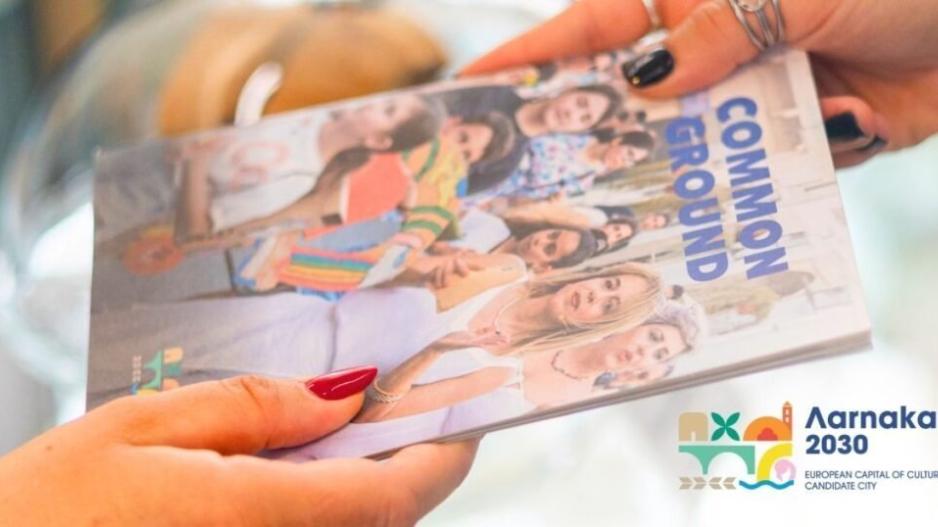
Larnaca’s winning bid is built around the theme “Common Ground”, framing culture as a meeting point for communities, generations, and ideas. The city’s 2030 artistic director, Kelly Diapouli, shaped the concept around shared spaces and values, drawing on the idea of anthropía—placing human values back at the centre of public life. The bid argues that, amid global crises and polarisation, culture can be used to support coexistence, mutual care, and social connection.
During the bidding phase, organisers launched community-oriented initiatives including Mahalart, the Larnaka BioDesign Festival, and the Care Festival, involving residents, artists, and institutions in co-creating the city’s cultural direction. The BioDesign Festival explored intersections of art, nature and technology, while Mahalart brought creative activity into neighbourhoods. Larnaca’s mayor Andreas Vyras described the bid as a collective effort rather than a purely top-down plan.
The city has also emphasised access and participation, signalling that the 2030 programme should not be limited to a narrow audience. Plans point toward extensive use of public spaces, free events where possible, and efforts to include under-represented groups.
The ECoC title is also linked to broader urban changes—especially in Larnaca’s western coastal zone, home to disused oil-refinery infrastructure. The “Larnaca – Land of Tomorrow” redevelopment aims to transform the area into a mixed-use coastal district combining culture, commerce, and leisure. Plans referenced in public reporting include new public spaces and cultural venues alongside private investment such as retail, offices, a conference centre, and hospitality infrastructure as part of a large-scale regeneration effort.
A flagship project is a new Art & Design Centre, designed by Foster + Partners, which began construction in 2025 and is intended for completion by 2030. The complex is planned for a seaside plot near the new American University of Cyprus campus, and is presented as a major long-term addition to the city’s cultural infrastructure.
The project includes three core elements:
-
Art Centre: Two performance halls, including a transformable main theatre (reported capacity 1,000–1,500) and a smaller 150-seat auditorium, plus exhibition galleries for visual arts and multimedia work.
-
Design Centre: Workshops and labs intended to link heritage crafts (such as pottery, weaving, and Lefkaritiko lace) with contemporary design and technology, supporting collaboration between artisans and younger designers.
-
Museum of People: An interactive “anti-museum” concept built around everyday life and collective memory, using archives, objects, storytelling, and digital tools to create immersive experiences.
City representatives have described the complex as a central coordination point for Larnaca 2030, even as activity is expected to extend into neighbourhoods across the city and region.
Larnaca’s preparations will inevitably be compared with Paphos 2017, Cyprus’s first ECoC year. Paphos promoted the motto “Linking Continents – Bridging Cultures,” aiming to connect communities and make culture visible across public space. One of its defining features was the “Open Air Factory” approach, placing a large share of events outdoors in streets, squares, parks, and coastal areas—improving accessibility and reducing reliance on large indoor venues.
Paphos also relied heavily on volunteers (reported at more than 350), and the year helped local cultural professionals build experience producing major events. However, Paphos faced significant budget pressure, with reported spending far below the initial plan, limiting scale and international promotion. Larnaca can draw a clear lesson: securing stable funding and building a strong communications strategy early may be crucial if it wants to attract visitors beyond those already in Cyprus.
Larnaca now enters a multi-year delivery phase. Key priorities include:
-
Planning the programme: defining themes, flagship projects, partnerships, and the European dimension.
-
Building the team: establishing governance, production capacity, volunteer coordination, and cross-border artistic collaborations.
-
Securing funding: implementing the €10 million allocation, pursuing EU-linked milestones, and seeking sponsorships and grants where available.
-
Community engagement: expanding neighbourhood-based cultural projects before 2030 to build momentum and participation.
-
Completing infrastructure: keeping major projects—especially the Art & Design Centre—on schedule and operational for 2030.
Regular monitoring and reporting to EU bodies is expected as part of the ECoC process. By late 2029, the focus is likely to shift toward marketing, visitor logistics, volunteer training, and readiness for an expanded cultural calendar.