Larnaca Wins the Race for European Capital of Culture 2030
The city’s “Common Ground” vision convinced European experts and sets the stage for major cultural transformation.
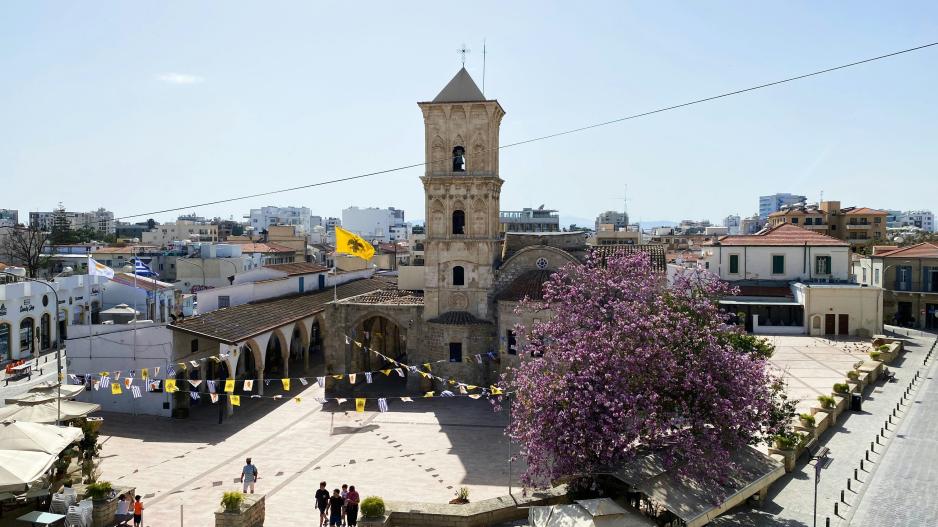
Larnaca has officially been named European Capital of Culture 2030, bringing to a close a two-year cultural race that captivated Cyprus. The announcement was delivered on Thursday afternoon and broadcast live across the Ministry of Culture’s platforms, triggering celebrations among the city’s delegation and supporters.
The prestigious title was awarded by a 12-member committee of European experts, appointed by the European Parliament, Council, Commission, the Committee of the Regions, and the Deputy Minister of Culture of Cyprus. The panel completed onsite visits to both finalist cities — Larnaca on Monday and Limassol on Tuesday — before hearing each city’s final presentation on Wednesday.
Larnaca and Limassol were shortlisted in February 2025 from five initial candidates: Nicosia, Limassol, Larnaca, Kourion and Ayia Napa. Their detailed cultural dossiers were submitted in autumn 2025, followed by an intense final evaluation phase held from 8–11 December.
In a notable gesture of inclusivity, the results were also delivered in sign language, reflecting the shared focus of both cities on accessibility and community participation.
Under the banner “Common Ground”, the Larnaka 2030 organisation crafted a proposal centred on human connection, community collaboration and sustainable cultural growth. Artistic director Kelly Diapouli led a programme that included initiatives such as Mahalart, the Larnaka Biodesign Festival and the Care Festival, all developed through co-creation processes involving residents, artists and local stakeholders.
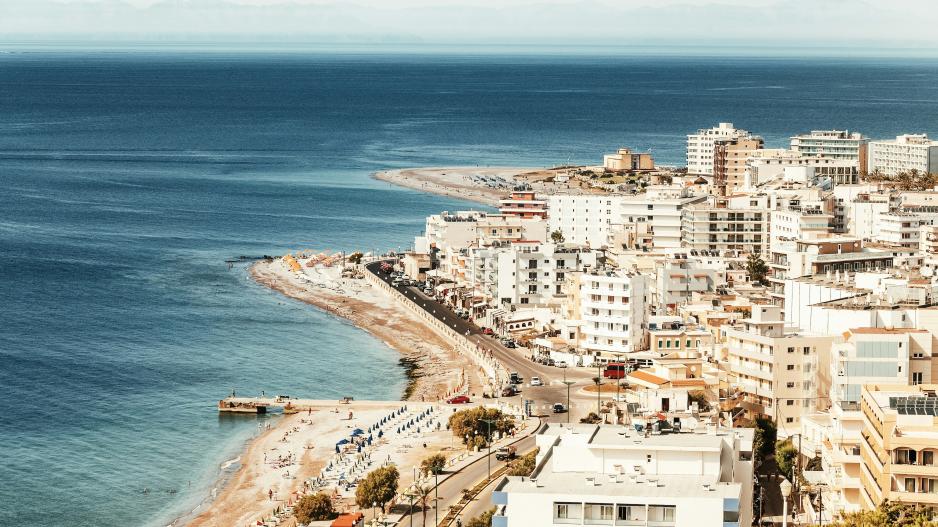
A major component of Larnaca’s plan is the redevelopment of the western seaside zone — the former oil refinery area — envisioned as a new cultural and urban hub that will reshape the city’s coastal identity over the coming decade.
Limassol’s competing bid, “Understory”, also impressed the committee with its strong emphasis on participation and urban cultural mapping. Actions like “Ekí Éxo Mazí”, “10 10 100” and the “Making Democracy” initiative mobilised neighbourhoods and residents in redefining the city’s cultural priorities. However, in the final assessment, Larnaca’s artistic direction, clarity of vision and long-term transformation potential secured the victory.
The title marks the start of an extensive preparation phase during which Larnaca will finalise its artistic programme, expand organisational structures and implement cultural infrastructure projects. The Ministry of Culture has already increased state funding for operational needs from €6 million to €10 million, with further support expected through national and European partnerships.
If Larnaca meets the commitments set by the institution, it will also be eligible for the Melina Mercouri Prize — €1.5 million awarded by the European Commission under the Creative Europe programme.
In the coming years, cultural actions, community engagements and public-space interventions will gradually roll out across neighbourhoods, squares and cultural venues, bringing the Larnaca 2030 vision directly into the daily life of residents.