Medical Cannabis in Cyprus Explained: Law, Licences, and EU Export Potential
Inside the Legal Framework, Access Pathway, and Compliance Steps to Reach EU and Regional Markets
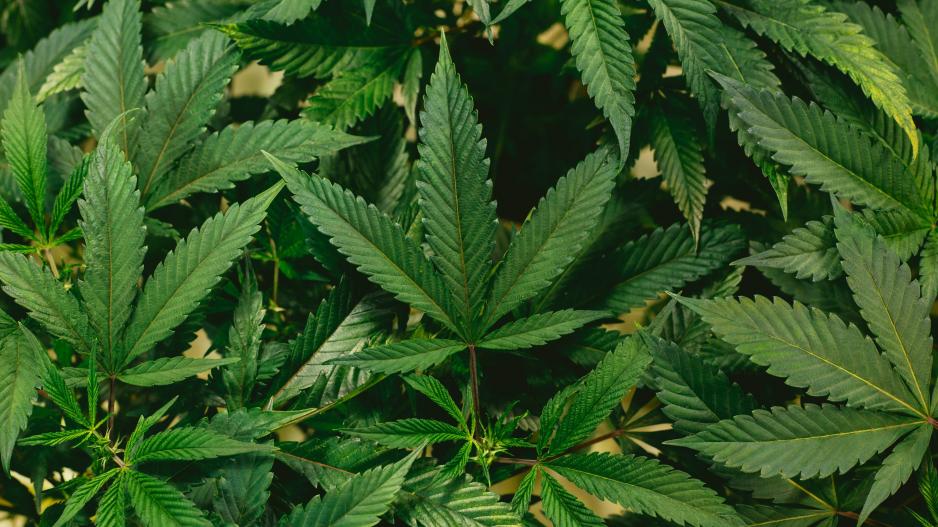
Cyprus made a pivotal shift in 2019 when its Parliament amended the Narcotic Drugs and Psychotropic Substances Law of 1977 and promulgated the Drugs and Psychotropic Substances (Medical Cannabis) Regulations of 2019 (RAA 73/2019), thereby permitting cultivation, import, export and use of cannabis strictly for medical and research purposes.
Yet legalization on paper was only the first step: for Cyprus to become a serious player in medical-cannabis, it would need to convert licensing schemes, patient access, quality compliance, and export logistics into working channels. This article lays out how far Cyprus has come -and what barriers remain - along three dimensions: legal framework, licence holders, and export potential.
The 2019 regulations amended the 1977 law to expressly cover cultivation, production, import, export, research, and pharmacy-level dispensing of medical cannabis under strict conditions. The Ministry of Health’s Pharmaceutical Services is entrusted with licensing, oversight, inspections, and enforcement.
Key features of the framework include setting a limited number of producer licences (initially three) for a 15-year term, with renewal potential, substantial licensing and administrative fees, and detailed security, traceability, and record-keeping requirements. Provisions also call for compliance with Good Agricultural and Collection Practices (GACP) and EU GMP (Good Manufacturing Practice) for finished products.
On the patient side, medical cannabis must be prescribed by specialists under strict protocols, and dispensed via licensed pharmacies, as Cyprus did not adopt an open dispensary model.
Licences may be applied by natural persons or legal entities, so long as they (and key individuals) meet criteria around financial strength, technical experience, security plans, and business proposals. For legal-entity applicants, the regulation allows affiliated international groups to hold ownership, subject to transparency and due diligence.
The licence fees are steep: a €9,000 application/examination fee, a €500,000 issuance fee for the producer licence, and an annual €30,000 maintenance fee. Meanwhile, licensed producers must maintain strict security (e.g. surveillance, restricted access), continuous recordkeeping, and full traceability from seed to sale.
Though initial legislation envisioned up to three licencees in the first 15 years, the government public record has not widely published the list of who obtained licences or the status of operations, suggesting a cautious, phased rollout.
Europe’s medical cannabis market had been expanding rapidly, creating openings for smaller EU producers. According to Data Bridge Market Research, the European market stood at USD 3.51 billion in 2024 and was projected to reach USD 35.59 billion by 2032, growing at an annual rate above 30%. Similar estimates by IMARC Group valued the sector at around USD 2.6 billion in 2024, confirming strong regional demand.
Within Cyprus, forecasts by 6Wresearch indicated that the domestic legalized cannabis market would develop gradually through 2031, with export trade expected to become its key growth driver. This aligned with Cyprus’ pharmaceutical export foundation—worth about US $470.9 million in 2024—and its EU membership, which enables streamlined movement of EU-GMP-certified medicinal products across European borders.
However, global competition remained intense. The Global Cannabis Exchange reported that Canadian exporters dominated 2024’s international medical cannabis trade—valued at roughly USD 190 million—thanks to established EU-GMP facilities and consistent compliance. For Cyprus to compete, it would need to focus less on scale and more on precision: ensuring quality, regulatory credibility, and reliability in supply chains.
Cyprus holds several structural advantages that position it as a potential niche producer of medical cannabis in the region. Its Mediterranean climate, EU membership, and established pharmaceutical export base together create conditions that few nearby countries can match.
Key strengths include:
-
Climate efficiency: long sunshine hours and mild winters support consistent, high-quality cultivation at lower energy costs.
-
Regulatory credibility: as an EU member, Cyprus can certify products under EU-GMP and GACP, allowing smoother trade within Europe’s single market.
-
Geographical access: the island’s location between Europe, the Middle East, and North Africa offers a logistical bridge to emerging medical-cannabis markets.
However, these opportunities come with challenges. The limited number of production licences, the absence of publicly listed operators, and the restricted domestic patient-access system continue to slow both investment and knowledge transfer. At the same time, competition from established exporters such as Canada and Germany—supported by large-scale, EU-GMP-certified facilities—means Cyprus will likely need to focus on boutique, high-compliance exports rather than mass production.
In essence, Cyprus’ potential to become a niche hub depends less on expanding acreage and more on executing with precision: issuing transparent licences, maintaining consistent certification, and building long-term trust with regulators and buyers across Europe and the Eastern Mediterranean.