Weekend Getaways: Exploring Cyprus's Mountain Villages
The Most Scenic Destinations for Summer Escapes
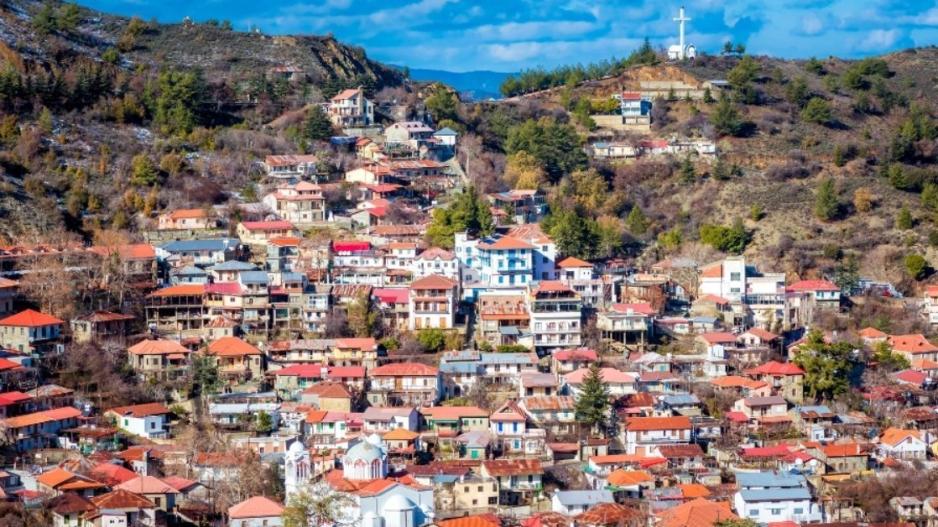
While Cyprus has become synonymous with summer, the island has so much more to offer. When the coastal heat becomes intense, the cool embrace of the mountains offers a refreshing retreat.
Beyond the beaches, Cyprus's mountainous interior introduces travelers to authentic rural culture. Here, you can hike through fragrant trails, sip local wine under tree-shaded squares, and browse artisan shops. These villages are not only cooler and quieter, but they also preserve the island’s heart,its heritage, hospitality, and harmony with nature.
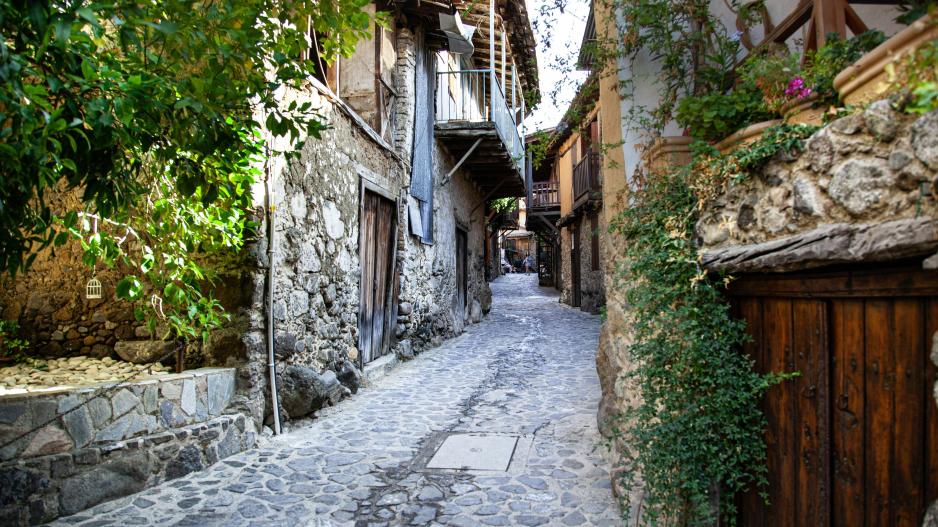
Kalopanayiotis is a tranquil village that seamlessly blends natural beauty with deep historical roots. Its story begins as early as the 11th century, centered around the iconic Monastery of Agios Ioannis Lampadistis. This UNESCO-listed religious site features Byzantine architecture, intricate frescoes, and a serene setting that draws both pilgrims and culture lovers. The village itself is a picture of timeless charm—cobbled streets, vine-covered verandas, stone-built houses, and gently flowing streams all contribute to an atmosphere of quiet reverence and authenticity. Sulphur springs, once believed to be sacred and used for healing in ancient times, continue to attract visitors seeking wellness and calm.
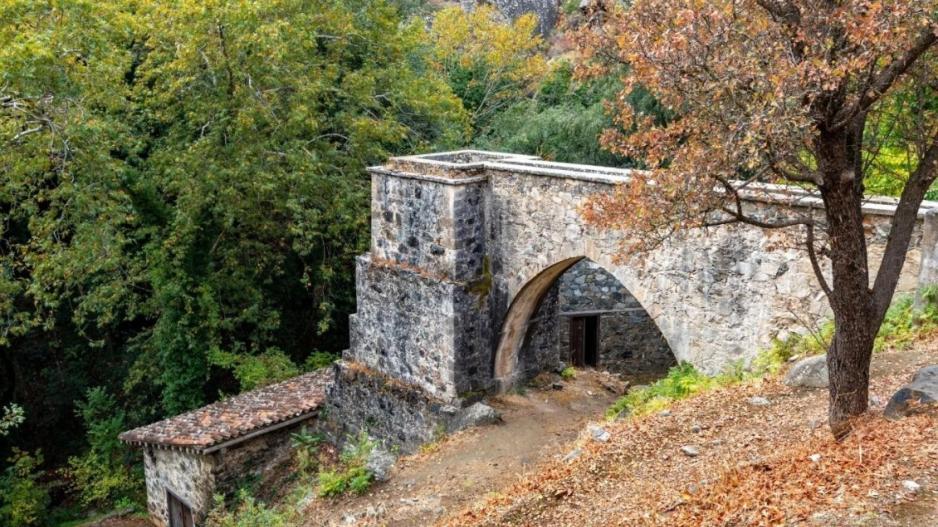
Activities in the area range from hiking through forested trails and cycling across mountain paths to engaging in hands-on experiences like beekeeping, rosewater distillation, and halloumi making. Museums, chapels, and an old Venetian bridge add layers of cultural richness to any visit. Whether you're drawn to Kalopanayiotis for its spiritual serenity, scenic landscapes, or immersive village life, it offers a soulful escape that speaks to both heart and mind.
Perched at around 1,200 meters on the southern slopes of the Troodos Mountains, Platres is one of Cyprus’s most iconic and historic mountain resorts. Once a modest winegrowing village, it blossomed during the British colonial era into a beloved summer retreat, attracting not only Cypriot aristocrats but also expatriates from Egypt and beyond. The village's unique architectural character reflects this rich past: charming stone-built homes and grand villas display influences from Alpine, Danish, and Maltese styles. The cool, dry mountain climate, shaded forest paths, and year-round streams have long made Platres a haven for those seeking respite from the coastal heat.
Today, Platres is a vibrant blend of nature, culture, and leisure. The area boasts some of the island’s most scenic hiking trails, including the Caledonia and Millomeris waterfalls, as well as forest routes like Psilo Dendro–Pouziaris. At the heart of the village, visitors can enjoy traditional tavernas, boutique accommodations, and artisanal shops offering lavender products, local sweets, and handmade chocolates. Cultural life also thrives, with restored venues like the Old Municipal Market and the Giorgos Seferis Hall hosting exhibitions and events. Whether you're drawn by its natural beauty, historical charm, or tranquil atmosphere, Platres offers a sophisticated yet down-to-earth escape in the heart of Cyprus.
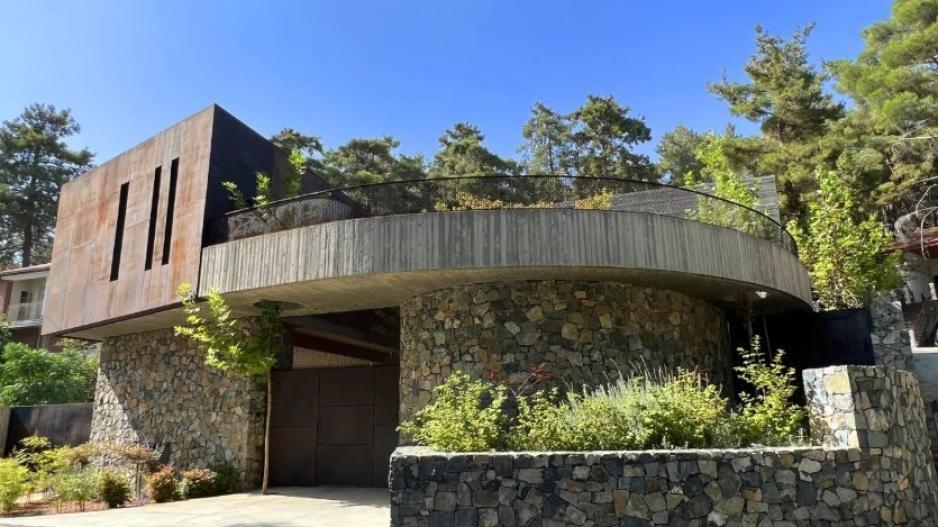
Located in the Pitsilia region, Agros is built amphitheatrically on the hills of the Troodos range. Known for its floral legacy, Agros is synonymous with Damascus roses, which are cultivated across the hillsides and distilled into rosewater and other organic products by local families. When the roses bloom in spring, the village transforms into a fragrant, romantic escape that feels more like Provence than the Mediterranean.
But Agros is more than just its roses. It’s a center of agrotourism, home to traditional sweet factories, cured meats like "lountza" and "pastourmas," and artisanal workshops that produce herbal teas, cosmetics, and jams. Visitors are encouraged to engage with local craftspeople, take part in seasonal harvests, and even try their hand at rosewater distillation. The warm, community-driven vibe makes Agros an ideal destination for those wanting to experience village life with a modern twist.
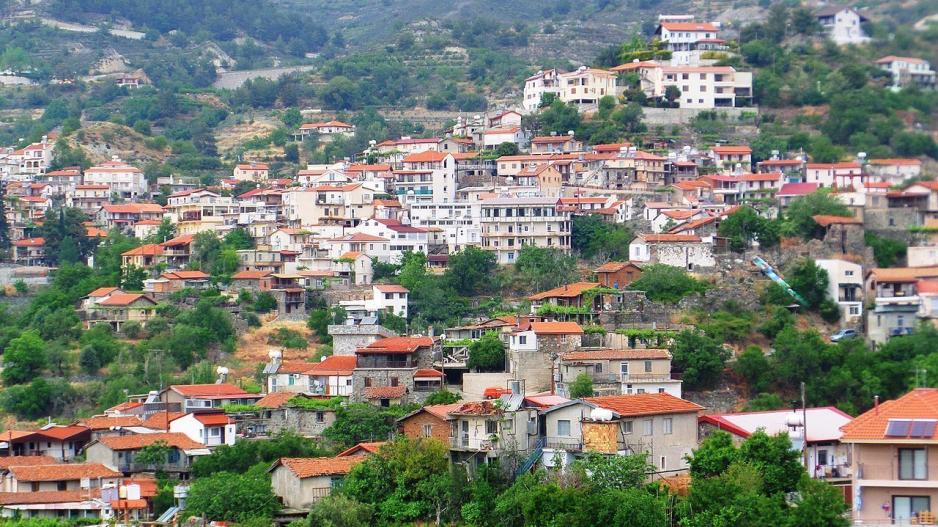
Located at approximately 620 meters in the heart of the verdant Solea Valley, Galata is a charming mountain village surrounded by dense woodlands and fruit orchards. Built on both sides of the Karkotis River, it is one of the few places in Cyprus where nature and tradition are so tightly intertwined. The village’s architecture stands out, with traditional stone houses, wooden balconies, and red-tiled roofs lining narrow, winding streets. Galata offers an authentic rural experience, especially in the summer when the village comes alive with families enjoying the shade of ancient plane trees and tasting locally grown cherries, apples, plums, and apricots straight from the source.
Galata also holds significant cultural value thanks to its collection of beautifully preserved painted churches. The most famous among them is the Church of Panagia Podithou, built in 1502 and recognized as a UNESCO World Heritage Site for its exquisite frescoes painted in the Italo-Byzantine style. Other notable chapels include Panagia Odegetria and Archangel Michael, each adorned with murals that offer a fascinating glimpse into medieval religious art and Cypriot ecclesiastical heritage. Whether you're exploring its sacred spaces or strolling alongside the gentle riverbanks, Galata captivates visitors with its rare blend of spiritual history, rural beauty, and timeless tranquility.
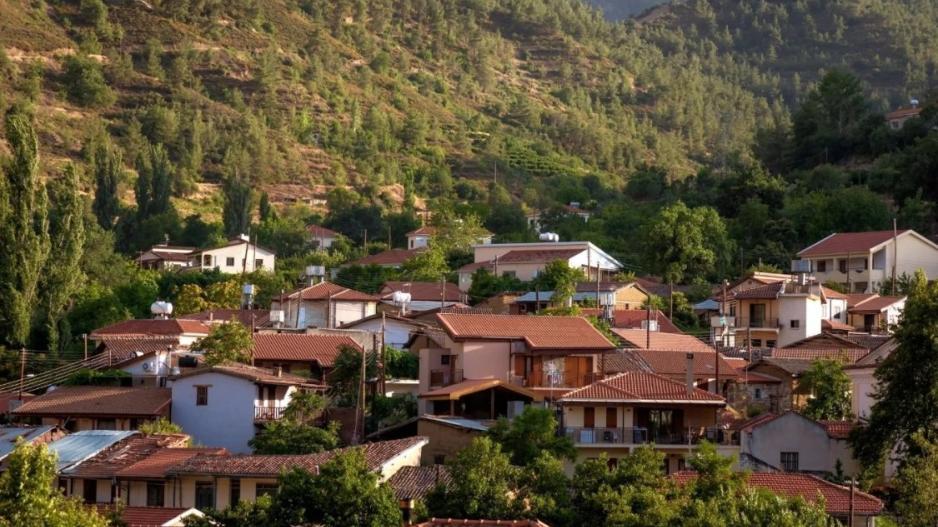
As the highest inhabited village in Cyprus at 1,380 meters above sea level, Prodromos is a haven of tranquility with panoramic views and a distinctly alpine feel. Though it's primarily known as a winter destination due to its proximity to the Troodos ski slopes, Prodromos also shines in the summer months, offering cool mountain air, shaded trails, and complete stillness—the kind that rejuvenates both body and soul.
This village is ideal for travelers who prefer the quieter side of life. The pine forests surrounding it are home to some of the island’s most serene walking paths and picnic areas. Traditional tavernas serve hearty, rustic dishes, and the lack of commercial distractions gives visitors space to connect with nature and themselves. Prodromos is a place to pause, breathe deeply, and enjoy the simple pleasures of the mountains.
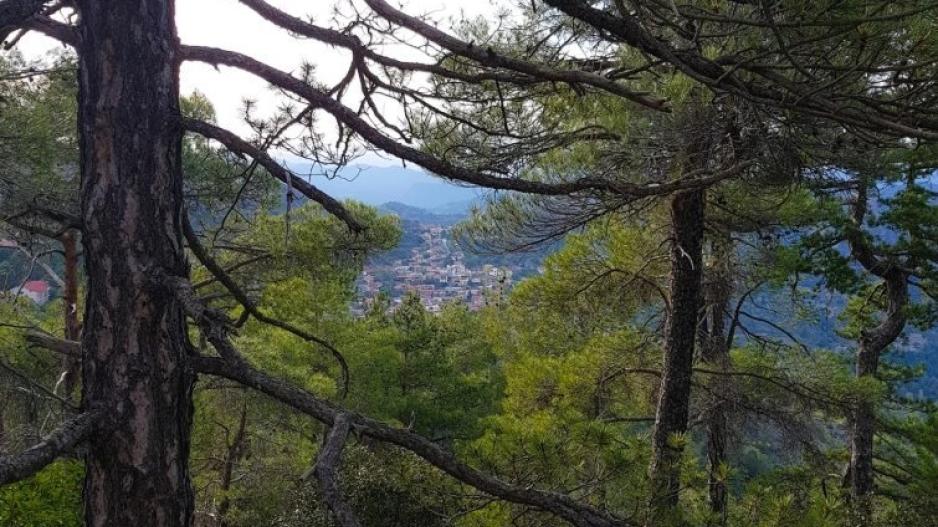
Perched at an altitude of approximately 780 to 800 meters in the hills of the Limassol district, Lofou is a stunning stone-built village that offers a glimpse into Cyprus’s rural past. Shaped like a natural amphitheatre, the village is believed to have originated during the time of Arab raids and later developed under Frankish rule. Its architectural charm is unmistakable: cobbled streets, arched doorways, terracotta-tiled roofs, and wooden balconies create a timeless aesthetic that blends beautifully with the surrounding vineyards and orchards. Although the village saw a period of abandonment, recent restoration efforts have breathed new life into its buildings and traditions, making Lofou a rising star in the agrotourism scene.
Lofou invites visitors to explore at a leisurely pace. Landmarks include the beautifully preserved Panagia Chrysolofitissa church, the historic olive mill, and the old village school, all offering insight into the community’s deep cultural roots. The Elitzi water fountain, built in 1842, is another highlight, often serving as the starting point for the village’s scenic nature trail, which loops around the vineyards and offers panoramic views of the Troodos Mountains. Quaint tavernas, a small local brewery, and traditional festivals like the Grape Festival in autumn add to Lofou’s appeal. Whether you're after rustic charm, history, or a peaceful retreat with great food and views, Lofou delivers a truly memorable mountain village experience.
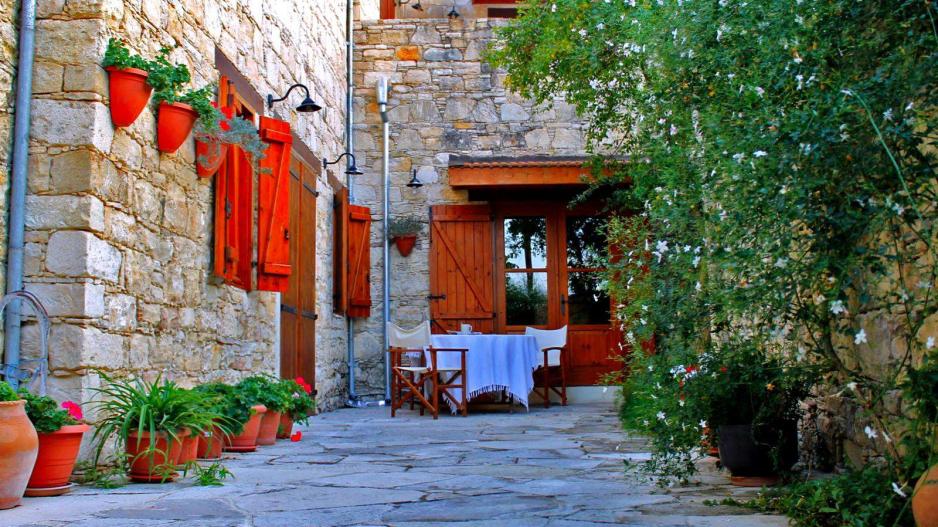
Perched high in the Marathasa Valley at an altitude of approximately 1,100 meters, Pedoulas is the highest village in the region and one of Cyprus’s most cherished mountain retreats. Originally established during the time of Arab incursions as a place of refuge, it later flourished during the Frankish and Venetian periods. Surrounded by thick pine forests and flourishing cherry orchards, Pedoulas is especially vibrant in the summer months when its cool, fresh climate draws in visitors seeking relief from the heat. While its permanent population is modest, the village comes to life each season with families, hikers, and cultural explorers eager to experience its peaceful charm.
Pedoulas is a true cultural gem, home to an impressive collection of twelve churches and chapels that reflect centuries of devotion and artistry. The standout is the Church of Archangel Michael, built in 1474 and famous for its vivid frescoes painted by the Cypriot artist Minas—one of the many painted churches of the Troodos recognized for their historical value. Equally captivating is the Church of the Holy Cross, constructed in the 1930s and said to contain a relic of the True Cross. For those interested in heritage, the village also hosts two small but rich museums: the Byzantine Museum, which showcases sacred icons and liturgical artifacts, and the Folkloric Museum, offering insight into daily village life in past generations. Coupled with breathtaking nature trails, natural springs, and panoramic views over the valley, Pedoulas is a destination where cultural richness meets serene natural beauty.