Is Apple Headed for a Blackberry Moment?
With rivals racing ahead in AI, Apple risks trading innovation for iteration — and prestige for predictability
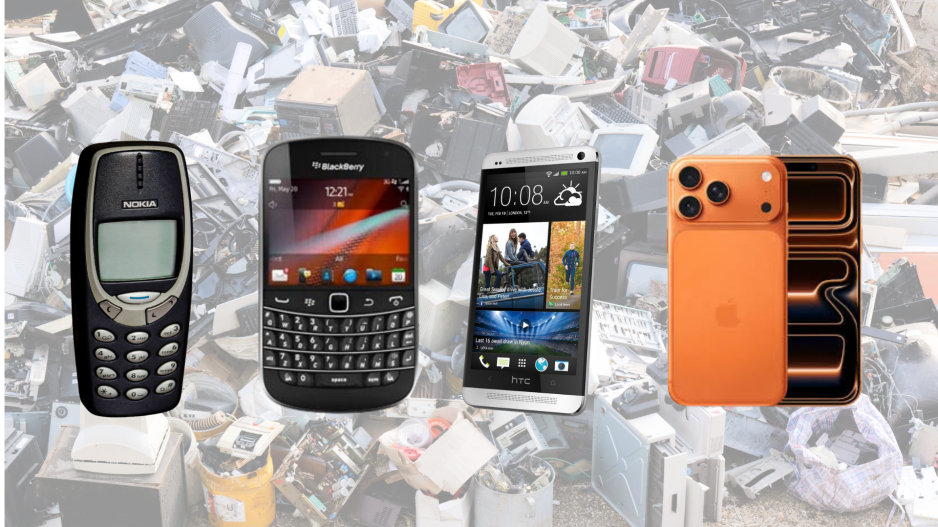
For more than a decade, Apple has been the crown jewel of the tech industry. Its iPhones are objects of desire, its ecosystem a fortress of loyalty, its brand the pinnacle of prestige. Every September, the world watches as the company unveils another iteration of its iconic device, and millions rush to upgrade. Yet, beneath the polish and the glamour, a question is starting to surface: is Apple beginning to repeat the mistakes that once doomed Nokia, BlackBerry, and HTC?
Those companies, too, once seemed untouchable. Nokia dominated global markets with its sturdy, affordable handsets. BlackBerry was the choice of executives and presidents, the ultimate status symbol in the pre-iPhone era. HTC was a design pioneer, delivering some of the sleekest Android devices in the early 2010s. All three shared a fate: they failed to reinvent themselves in time. They underestimated the seismic shift in technology, whether it was the touchscreen revolution or the arrival of the app economy, and found themselves eclipsed.
Apple today feels eerily close to that same crossroads. Each new iPhone is, without doubt, a beautifully engineered product. The latest chips are faster, the cameras sharper, the materials sleeker. The devices work flawlessly within the Apple ecosystem, which remains unmatched in its cohesion. But year after year, the updates feel more incremental than revolutionary. The sense of “newness” that once electrified Apple keynotes has dulled into a cycle of predictable upgrades.
What makes this stagnation more dangerous is the rise of artificial intelligence. Rivals like Google and Samsung are racing ahead, weaving AI into their hardware and software in ways that feel genuinely transformative. Apple has always prided itself on arriving late to trends, only to perfect them. It didn’t invent the MP3 player, the smartphone, or the tablet, but it redefined them. Yet AI isn’t a trend. It is the next platform shift, as fundamental as the move from physical keyboards to touchscreens in 2007. Falling behind here isn’t just about features; it’s about missing the next wave that will define the future of computing.
Apple’s brand loyalty might shield it. Its customers are famously devoted, willing to pay a premium for devices that integrate seamlessly into their lives. But brand loyalty is not infinite. Nokia, too, had a vast global base of users who swore by its reliability. BlackBerry devices were practically glued to the hands of world leaders. Prestige can buy time, but it cannot halt technological irrelevance.
The danger is not that Apple will collapse overnight. It remains the most profitable company in the world, with billions in reserves and an ecosystem that locks users in tightly. The danger is slower but no less existential: that Apple will stop being the company that defines the future and become the company that merely polishes the past.
Startups are exploring entirely new AI-powered form factors. If Apple’s answer is simply another gorgeous rectangle with slightly better specs, the risk is that the iPhone, once a symbol of disruption, becomes a symbol of stagnation.