Audit Office Reform Approved by the Cyprus Parliament – What’s Changing
Lawmakers back eight-year limits and financial autonomy.
The House of Representatives voted overwhelmingly—51 votes in favor—to approve constitutional amendments modernizing the roles of the Auditor General and Deputy Auditor General, as well as the operational framework of the Audit Office of the Republic.
The vote, held in the presence of Justice Minister Marios Hartsiotis, surpassed the two-thirds majority (38 votes) required for constitutional change.
The new provisions introduce an eight-year non-renewable term for both positions, remove their status as permanent civil servants, and establish strict qualification criteria based on moral integrity and professional expertise in economics, auditing, or related fields.
Most notably, the amendments grant full financial autonomy to the Audit Office. The institution will now prepare its own budget—subject to fiscal limits set by the executive—which will appear as a distinct section within the Republic’s annual state budget and be published in the Official Gazette.
The law comes into effect immediately, though the sitting Auditor General and Deputy Auditor General will continue under existing terms until their current mandates conclude.
The Audit Office of Cyprus hailed the amendments as a “milestone for the institutional independence of the Service.”
In a public statement, it emphasized that financial autonomy “substantially strengthens the Office’s institutional independence and, by extension, serves the fundamental principles of the rule of law.”
The Service also acknowledged the support of the Executive Branch, noting that President Nikos Christodoulides, through the Ministry of Justice, ensured the bill’s preparation and smooth passage through Parliament.
It pledged to use these “powerful new tools” to reinforce transparency, good governance, and public trust.
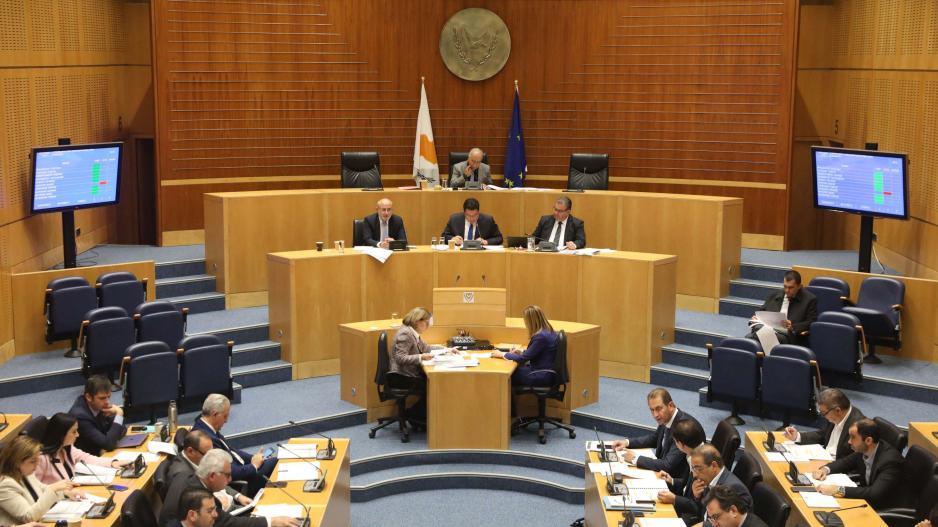
The parliamentary debate was lively, with AKEL submitting three amendments—on restricting eligibility for candidates linked to government or party roles—which were all rejected.
AKEL MPs Aristos Damianou, Andreas Pasiourtidis, and Giorgos Koukoumas argued their proposals would enhance public confidence and prevent conflicts of interest. Pasiourtidis remarked, “The Caesar’s wife must not only be honest but also appear to be so.”
DISY’s Nikos Tornaritis, chair of the Legal Affairs Committee, said the reform “strengthens the institution of the Auditor General and restores citizens’ trust in state mechanisms.” He stressed that the new framework promotes transparency and limits concentration of power.
DIKO’s Panikos Leonidou called the amendment “a matter of constitutional seriousness,” while EDEK’s Marinos Sizopoulos underlined that true change will depend on “the work and ethics of those appointed.”
Some MPs raised concerns about the vague definition of “high moral standards,” while others, such as MP Andreas Themistokleous, criticized past controversies surrounding previous Auditors General and expressed skepticism over the proposed Audit Council still under discussion.
A separate government bill to establish an Audit Council—envisioned to oversee audit-related institutional coordination—remains pending. Due to disagreements from the Auditor General, Deputy Auditor General, and the Institute of Certified Public Accountants of Cyprus, the Justice Ministry decided to defer the proposal for further consultation.