Fragile US-Iran Ceasefire Remains Uncertain
Tehran Prepares for Renewed Conflict and Warns of Strikes on Energy Infrastructure and Maritime Routes.
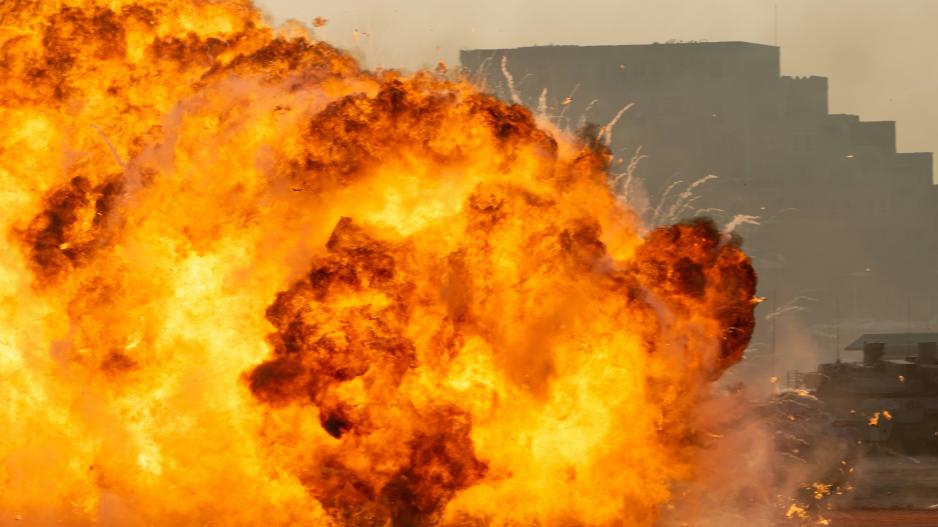
The future of the fragile ceasefire between Iran and the United States remains uncertain, with Donald Trump initially threatening to resume military operations on Sunday before announcing the following day that, after pressure from allied Gulf states, the planned attacks had been temporarily halted amid “serious negotiations.”
However, Tehran appears to be preparing for possible escalation, warning that it will not hesitate to impose a heavy cost on neighboring states and the global economy in the event of another attack.
During the first phase of this year’s clashes, Iranian officials were reportedly preparing for a prolonged conflict lasting around three months, according to Hamidreza Azizi, an Iran security expert at the German Institute for International and Security Affairs. For this reason, missile usage was initially limited in order to preserve the ability to sustain attacks for weeks against Israeli and regional targets.
By contrast, in the event of a renewed outbreak of war, Iranian authorities are reportedly expecting “short but high-intensity” confrontations, involving coordinated strikes on the country’s critical energy infrastructure.
Within this context, Iran is also believed to have used the past month of the ceasefire to prepare for renewed hostilities by repositioning ballistic missile launchers.
According to The New York Times, citing an anonymous US military official, since the ceasefire began on April 8, Iran has been working to “excavate dozens of bombed ballistic missile facilities, relocate mobile missile launchers and, despite significant losses, adapt its tactics for any potential resumption of attacks.”
The official stated that US strikes targeting Iran’s missile capabilities hit the entrances of the facilities, but not the launchers themselves, as they had been buried deep inside underground caves to protect them from attacks.
Additionally, Iranian commanders, possibly with Russian assistance, reportedly studied the flight paths of US fighter jets and bombers. The same US military official noted that the downing of an F-15E fighter jet last month, as well as ground fire that struck an F-35, revealed that American flight tactics had become overly predictable, allowing Tehran to defend against them more effectively.
In a new round of conflict, Iran could launch dozens or even hundreds of missiles daily in an effort to “effectively confront the opponent and shift the balance on the other side,” Azizi noted.
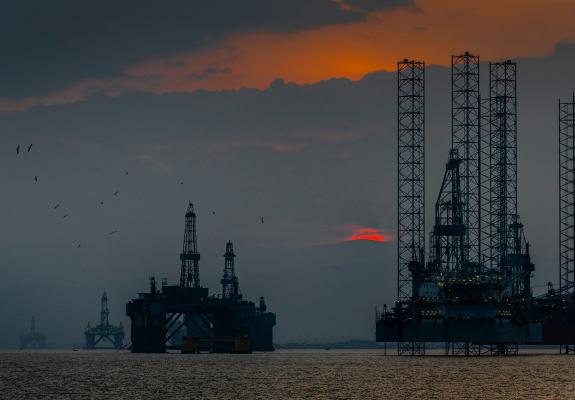
Such a scenario would force Gulf states to prepare for intensified attacks on their energy infrastructure, as strikes on oil fields, refineries and ports represent one of Iran’s strongest tools for applying pressure on the global economy and the US president.
At the same time, Iranian officials and analysts linked to the government have issued threats against the UAE, accusing it of facilitating attacks against Iran by hosting American military installations. Some, including analyst Mehdi Karatian, have gone as far as stating in a podcast that, if necessary, “we can seize Abu Dhabi.”
Iran also holds leverage over major maritime routes, including the Bab el-Mandeb Strait, which connects the Red Sea to the Gulf of Aden and through which roughly 10% of global trade passes. During the previous round of tensions, Tehran used the Strait of Hormuz to strengthen its negotiating position against the global economy.
If Iran concludes that control over these waterways is under threat, it may seek to divert US attention toward two maritime fronts instead of one, according to Azizi.
The Houthis in Yemen, backed by Tehran, have pledged to defend Iran in the event of a regional war, although during the previous wave of clashes they acted cautiously in order to preserve their limited military stockpiles.
Analysts believe that Tehran’s threats and strategic positioning remain key factors restraining a more aggressive US stance toward Iran, while simultaneously shaping pressure on the global energy market.
Source: protothema.gr