Serious Gaps in Cyprus Civil Protection Evacuation Plans
The July 23 fire revealed weaknesses in emergency preparedness.
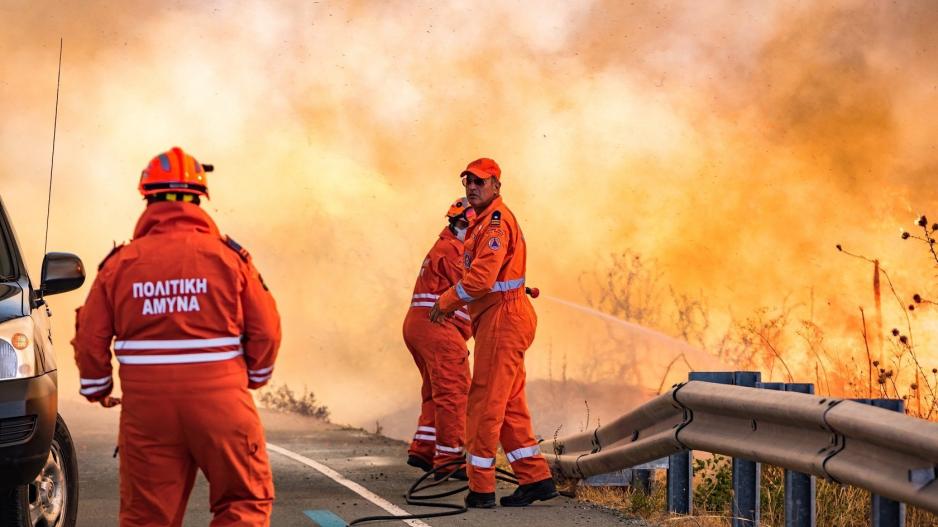
The deadly wildfire of July 23 in the Limassol mountains exposed numerous gaps and weaknesses in Cyprus’ civil protection system. These shortcomings were also detailed in reports submitted to the President of the Republic by the relevant departments.
As Offsite reports, one of the most critical points revealing lack of organization is the evacuation of communities during a wildfire, where current plans are essentially carried out “blindly.” Data analysis showed that no one has an accurate record of key infrastructure, meaning that members of the Civil Defence, the National Guard, and other agencies responsible for evacuations are unable to act in a fully coordinated manner.
According to available information, the national evacuation plan “POLYVIOS” lacks essential data on:
-
Locations of organized camps.
-
Isolated residences built inside forests.
-
Livestock facilities where animals are kept and human activity is present.
Civil Defence Commander Maria Papa confirmed the need to update the POLYVIOS plan by including these vital sites. She stressed that Civil Defence has already highlighted these weaknesses in its report to the Presidential Office.
She noted that an immediate update of the plan is necessary, given that many camps and structures are located inside forests. These must be properly documented with details on their location, capacity, and number. Letters have already been sent to the Union of Communities to strengthen cooperation and update POLYVIOS records.

The POLYVIOS Plan is a Civil Defence framework that involves the activation of the relevant Regional Special Civil Defence Directorate and the community leader or council members. Its goal is their immediate involvement in evacuation procedures, according to the Civil Defence report.
Civil Defence participates in the evacuation process, but the local authority takes initial action before its arrival. They are activated once Civil Defence is notified of the need to implement the plan.
>>Cyprus Wildfire Report Debunks Arson Claims<<
Each community’s assembly points listed under POLYVIOS are used by residents when they must leave their homes during crises, including wildfires, if evacuation beyond the community is not possible.
In the case of wildfires, the preferred option is evacuation to neighboring communities, using private vehicles where possible, or with assistance from Civil Defence and other state services for those without transport.
During evacuations, instructions are issued by Civil Defence, following guidance from other competent services (Fire Department, Police, or the Forestry Department).
Residents are notified through:
-
Mobile text alerts (where systems are in place).
-
Door-to-door notifications or church bell ringing.
-
Any other method deemed suitable by the community council and Civil Defence, such as vehicles equipped with sirens and loudspeakers.
Civil Defence has adopted the role of first responder in emergencies. Once informed of an incident, a Civil Defence officer is dispatched to the scene until volunteer teams and permanent staff are mobilized. On average, teams require about 45 minutes to be ready, not including travel time to the incident site.
The evacuation order is given to Civil Defence by the competent authority for the incident—this could be the Fire Service, the Forestry Department, or the Police, depending on the emergency. These authorities also indicate the evacuation routes to ensure citizens are safely removed from danger.