Iran and U.S. “On the Brink” of Agreement or New Conflict
Tehran Is Reviewing a U.S. Proposal Delivered through Pakistan as Trump and the Revolutionary Guards Exchange Threats.
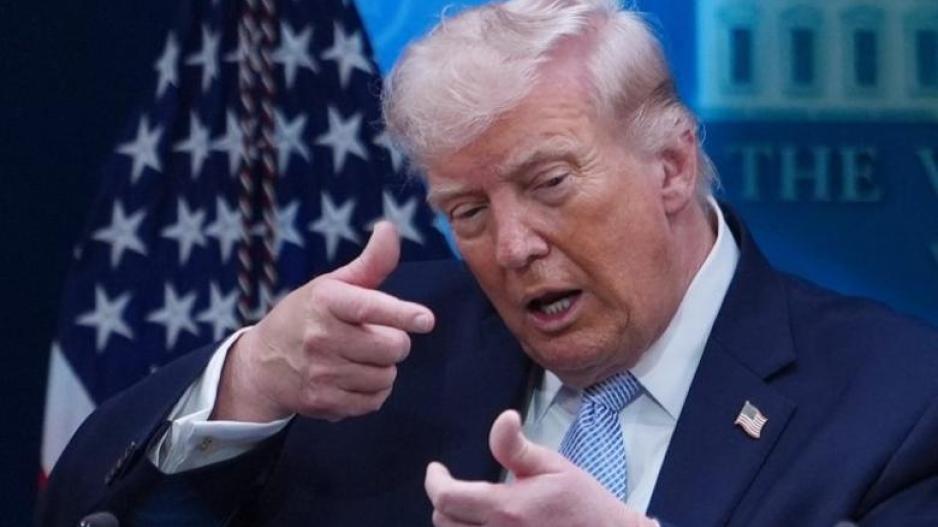
Iran’s diplomatic authorities confirmed on Wednesday evening that they had received and were “reviewing” the latest American proposal aimed at ending the war, delivered through Pakistan, whose government has taken on a mediating role alongside other countries. At the same time, Donald Trump warned that the situation stands “on the brink” of either reaching an agreement or sliding back into armed conflict.
“We received the views of the American side and are currently examining them,” Foreign Ministry spokesperson Esmaeil Baghaei told state television, while also highlighting Tehran’s “deep distrust” toward Washington.
He reiterated the Islamic Republic’s demands, particularly the “release of Iranian assets frozen abroad” and the end of the American blockade on Iranian ports.
The statements came after the second visit within a few days to Tehran by Pakistan’s Interior Minister Mohsen Naqvi.
On the other side, U.S. President Donald Trump left the door open to diplomacy, insisting he was “not in a hurry.”
“We’ll see what happens. Either we’ll reach a deal, or we’ll have to take slightly tougher measures. But I hope we don’t get there,” Trump told reporters at Andrews Air Force Base near Washington.
“We are right on the edge, believe me. If we get good answers, this could move very quickly. We are all ready to act. We need good answers. They need to be absolutely, 100% satisfactory,” he added.
The Republican president also said that reaching a deal would save Iran “a lot of time, energy, and lives,” adding that an agreement could be finalized “very quickly, within a few days.”
Hopes for progress in negotiations pushed oil prices lower. Brent crude, the international benchmark, dropped 5.63% to $105.02 per barrel. European and American stock markets also closed with notable gains.
Trump and Israeli Prime Minister Benjamin Netanyahu reportedly held a tense conversation on Tuesday regarding Iran, according to Axios and The Wall Street Journal. The two leaders reportedly clashed over the proposal to end the war, with Netanyahu said to have been furious after the discussion.
On Tuesday, Trump said he was giving Tehran “two or three days” to finalize a deal. The ultimatum was rejected by the Iranian side.
“Iran will never back down because of intimidation” and is “strengthening its preparations to deliver a powerful response to any new attack,” said Iran’s lead negotiator Mohammad Bagher Ghalibaf. He warned that the enemy “has not abandoned its military objectives” and is “seeking a new war.”
The Revolutionary Guards, Iran’s ideological military force, warned that if war resumes, “it will expand far beyond the region this time, and our devastating strikes will crush you.”
Since the fragile ceasefire announced on April 8, following more than a month of war, talks between the two sides have stalled while threats and hostile rhetoric continue to escalate.
The only official meeting between delegations from both sides, held on April 11 in Islamabad, ended without progress. Since then, negotiations have continued behind the scenes.
The war, which began after U.S. and Israeli strikes against Tehran on February 28, has claimed thousands of lives, most of them in Iran and Lebanon, where the Iran-backed Hezbollah movement operates.
The conflict has also triggered major disruptions to the global economy, fueling a sharp rise in oil prices and severe shortages of raw materials due to Tehran’s blockade of the Strait of Hormuz.
In the Gulf region, which has been heavily impacted by the war, Riyadh has increased pressure on Iran. Expressing satisfaction that President Trump had “given diplomacy a chance,” Saudi Foreign Minister Prince Faisal bin Farhan urged Tehran to seize the opportunity and avoid further escalation.
In retaliation for attacks against it, Iran launched counterstrikes across the region, particularly targeting the wealthy oil-producing Gulf monarchies allied with Washington.
In Israel, the military raised its alert level to the maximum, stating that it is “prepared for any development.”
At the center of the conflict remains the Strait of Hormuz, through which, before the war, one-fifth of the world’s crude oil and liquefied natural gas exports from the Middle East passed. The strategic waterway remains under Tehran’s control, after Iran formally established earlier this week a new authority responsible for overseeing maritime traffic and collecting transit fees.
According to the Revolutionary Guards navy, around 26 ships crossed the strait within 24 hours, including a South Korean oil tanker operating “in coordination with Iran,” reportedly the first such transit since the conflict erupted.
Meanwhile, the U.S. military announced that forces boarded an Iranian-flagged crude oil tanker over “suspicions” it was attempting to violate the blockade imposed on Iranian ports.
Source: protothema.gr