“Nobody Knew, Nobody Told Us”: Ministers and Authorities Shift Blame Over Takata Scandal
How the Takata Airbag Scandal Exposes a Broken State System in Cyprus

As Cyprus’s investigation into the deadly Takata airbag recall enters its final stages, the central message emerging from weeks of testimonies is chilling: no one in power claims to have known, and no one took responsibility. Despite two recorded fatalities, severe injuries, and thousands of affected vehicles, a recurring theme dominates the findings — a state and its institutions caught in a cycle of systemic failure, miscommunication, and institutional disengagement.
The scandal first took root with a 2017 internal circular issued by the Road Transport Department (TOM), which, according to current Minister of Transport Alexis Vafeades, disrupted a working recall notification chain that had been in place since 2011. This move, Vafeades said in his testimony before the Investigative Committee, effectively removed the obligation for car distributors to inform vehicle owners about recalls — without replacing it with a new system.
One major blind spot in the recall system involved so-called “grey imports” — vehicles not originally intended for the EU market but later imported to Cyprus, often second-hand from Japan. These vehicles, often carrying the faulty Takata airbags, remained outside formal recall notifications. The TOM admitted years later that a gap existed but failed to address it promptly or effectively.
Vafeades, who only became aware of the gravity of the Takata issue in April 2023 following a meeting with the father of 24-year-old victim Kyriakos Oxinos, now says his ministry is focused on restoring the broken communication chain. But the damage had already been done.
In a string of testimonies, former Transport Ministers Yiannis Karousos and Vasiliki Anastasiadou both claimed complete ignorance of the issue during their tenures. Despite frequent briefings from senior officials, neither received information about the Takata-related recalls or the fatal accidents associated with them.
Karousos admitted bluntly that the state “failed to protect” its citizens and acknowledged the state owes an apology to victims and their families. Anastasiadou said she was not informed by her predecessor nor by her ministry’s officials and suggested that, had she known, preventive measures could have been taken.
Vafeades, for his part, said he never received critical accident reports or technical findings from internal investigations, as these were shared only with the police and legal authorities — not with the minister himself. He acknowledged that even if officials didn’t intentionally withhold information, the system clearly failed to deliver key safety data where it mattered.
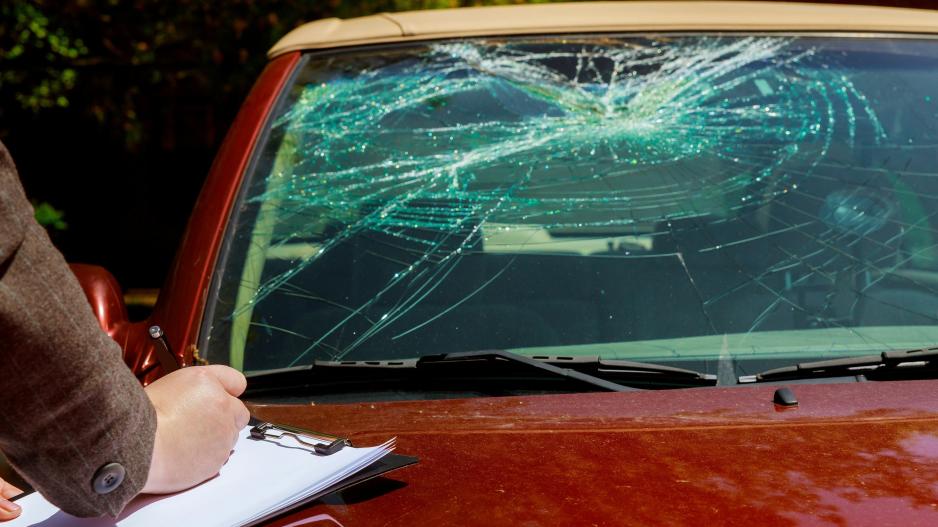
As public outrage grows, the Legal Service of the Republic is reviewing the case of Kyriakos Oxinos, who died in January 2023 after a Takata airbag in his BMW exploded, sending shrapnel into his body. Criminal charges — including against TOM officials — are now being considered for “neglect of official duty”, a misdemeanor under Cypriot law. His family maintains they were never informed of the airbag recall, despite owning the car from new.
Another major incident under investigation is the death of 19-year-old Styliani Giorgalli in October 2024. She was driving a second-hand imported Toyota Yaris when a Takata airbag exploded, causing fatal injuries. The final police report is pending.
Despite efforts in recent months to revive the recall chain and track down the remaining 50,000 vehicles potentially carrying the deadly airbags, the question remains: how did no one know? The Investigative Committee, which had planned to conclude its hearings this week, is now considering a new session with representatives from the police, after testimonies revealed the Road Safety Council — which includes the police — also failed to raise the alarm.