Report by U.S. Experts: This Was the Cause of the Deadly Wildfire in Limassol
ATF report reveals cigarette butt sparked Limassol blaze that scorched villages within minutes amid extreme heat, wind, and drought conditions.
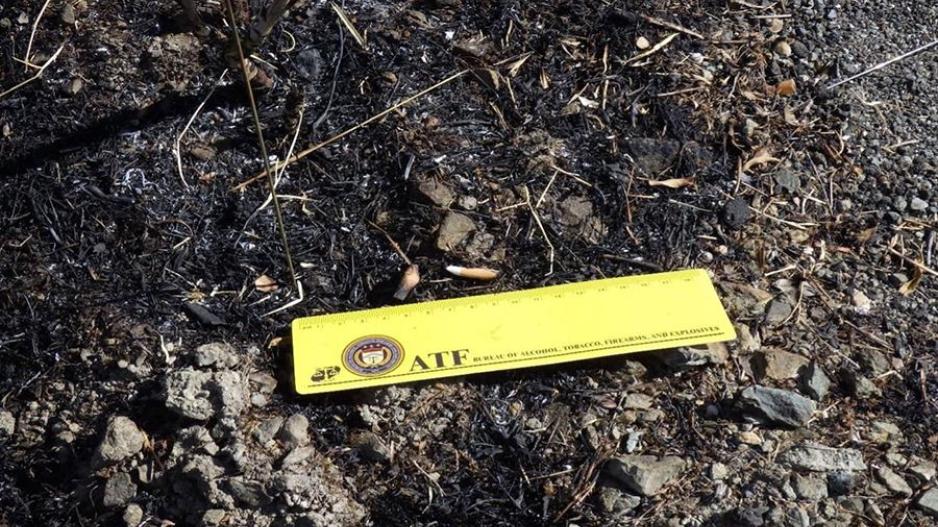
The devastating wildfire that swept through mountain communities in Limassol on July 23–24, 2025, was caused by the careless disposal of cigarettes, according to a conclusive investigation by American experts. The probe was conducted by the U.S. Bureau of Alcohol, Tobacco, Firearms and Explosives (ATF) in collaboration with the Republic of Cyprus and the U.S. government.
The ATF’s final report, released to the public today, concluded "with absolute clarity" that the fire was sparked when a lit cigarette came into contact with dry vegetation along the Malia–Arsos road. Investigators precisely identified the ignition point within a 30-by-30-centimetre roadside patch, where two cigarette butts—one with clear signs of thermal damage—were recovered and handed over to Cypriot authorities as evidence.
The report rules out all alternative causes and outlines the methodology used to reach its findings. This included site inspections, fire pattern analysis, meteorological data, witness testimonies, and video surveillance.

According to the report, the fire began on the eastern side of the Malia–Arsos road before spreading in all directions. At 13:26 on July 23, a small ignition—around one metre high and three metres wide—was first observed. Within just 17 minutes, by 13:43, the fire had consumed 1.5 hectares. By 13:55, less than 30 minutes after ignition, it had scorched two hectares and had already reached parts of the village of Malia.
Topography and weather conditions played a critical role in the wildfire’s explosive growth. Steep, rugged terrain combined with strong winds—up to force 9 on the Beaufort scale—enabled the fire to spread at a staggering rate of 60 to 63 metres per minute.
Temperatures reached 39°C, with humidity as low as 19% and prolonged drought conditions. These factors, the ATF noted, created a “100% ignition probability.”
The report emphasizes that Cyprus’s Mediterranean climate—with hot, dry summers and frequent strong winds—makes the region highly susceptible to wildfires. The affected area’s dense, moisture-starved vegetation and steep slopes significantly increased the fire’s spread and intensity, making containment nearly impossible once the blaze ignited.
With the release of this report, speculation about the cause of the fire is now officially laid to rest.

The Cyprus Police have also concluded their independent investigation into the deadly wildfire in Mallia, Limassol. According to information reported by state broadcaster RIK, the fire was confirmed to have originated from a single ignition point and was not the result of arson.
Once all reports are finalized, the comprehensive case file will be handed to the Attorney General, who will determine whether any criminal charges are warranted.
The police findings contradict early claims made by officials and media outlets, which widely attributed the fire to arson. Fire Chief Nicos Logginos was among those who publicly asserted the existence of two ignition points, citing alleged eyewitness reports and preliminary evidence. These claims, now refuted by the official investigation, raise serious concerns about the premature dissemination of unverified information and its impact on public perception in the wake of a national tragedy.