War With No “Exit”: US and Iran Talk Peace While Preparing the Next Strike
Behind-The-Scenes Contacts, Tehran’s Conditions, Israel’s Role, and Scenarios Involving Kharg Island.
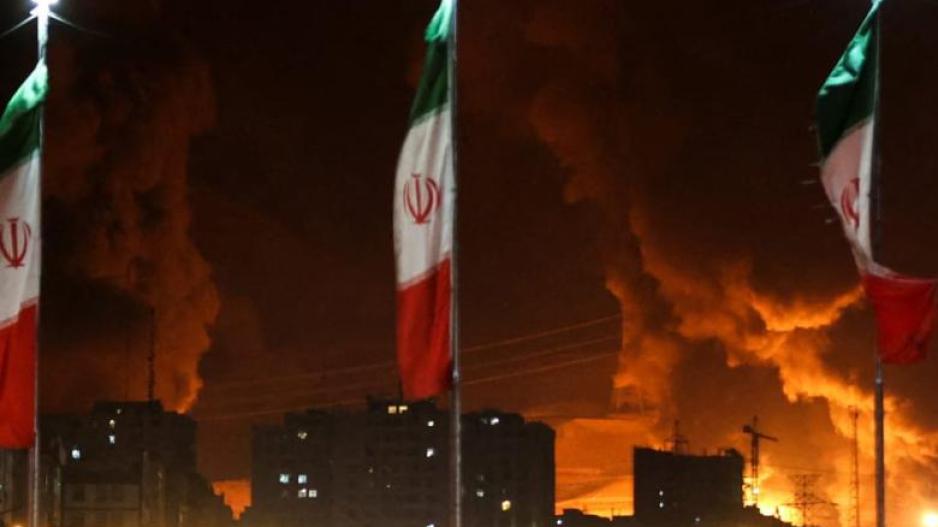
The war between the United States and Iran has entered its fourth week, with the situation in the Middle East becoming increasingly complex. On one hand, military operations are intensifying. On the other, an uncertain channel of communication remains open for potential diplomatic de-escalation.
Public statements from Washington and Tehran remain contradictory. Donald Trump claims that talks to end hostilities are ongoing, while simultaneously threatening even harsher strikes, as the Pentagon reinforces its military presence in the region. Meanwhile, Iran insists that indirect messaging through intermediaries does not constitute negotiations and appears to reject the American framework.
The result is a dangerous deadlock. Both sides say they want the war to end, but only on terms the other is unwilling to accept.
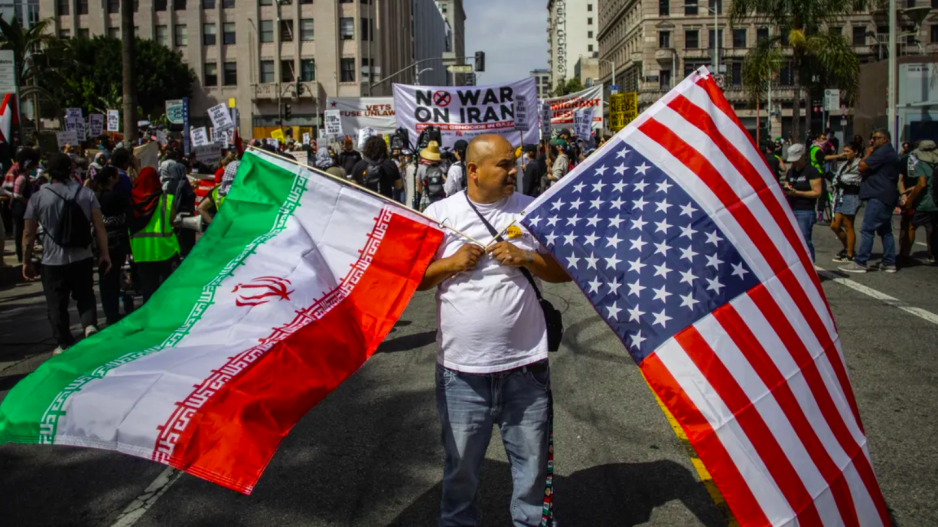
According to available information, Pakistan has taken on a mediating role, conveying a reported 15-point proposal to Tehran containing US positions. Iran’s reaction, however, was strongly negative. Sources cited by Iranian and regional media described the plan as “extremely excessive and unreasonable,” while Foreign Minister Abbas Araghchi stated that no direct negotiations with the US are taking place.
Iran is said to be setting five key conditions for ending hostilities: a halt to attacks and targeted killings of Iranian officials; guarantees that no new war will be initiated by the US and Israel; compensation for damages; a cessation of operations across all regional fronts, including groups Tehran considers part of the “axis of resistance”; and international recognition of its sovereignty over the Strait of Hormuz.
The White House denies that such a full rejection has occurred. Spokesperson Karoline Leavitt stated that reports about a 15-page or 15-point plan contain inaccuracies and that contacts are ongoing. At the same time, she warned that if Tehran does not accept the new reality on the ground, Trump is prepared to escalate further.
This dual approach—talks under the threat of new strikes—reveals that Washington is attempting to negotiate from a position of strength, without having secured that Iran’s leadership feels sufficiently pressured to concede.
At the center of the confrontation lies the Strait of Hormuz, arguably the most critical energy shipping route in the world. Tehran argues that its sovereignty over the area is a natural and lawful right. However, under international law, no state has exclusive jurisdiction over the strait.
It is considered an international transit passage, allowing freedom of navigation, while both Iran and Oman have territorial waters in the area. Notably, the main shipping lanes pass primarily through Omani waters, though at their narrowest point they briefly enter Iranian waters.
This dispute is not only legal. It is deeply strategic and economic. Nearly a month after the US–Israeli strikes of February 28, the conflict has spread across the region, triggering an energy crisis that some analysts say exceeds even the oil shocks of the 1970s.
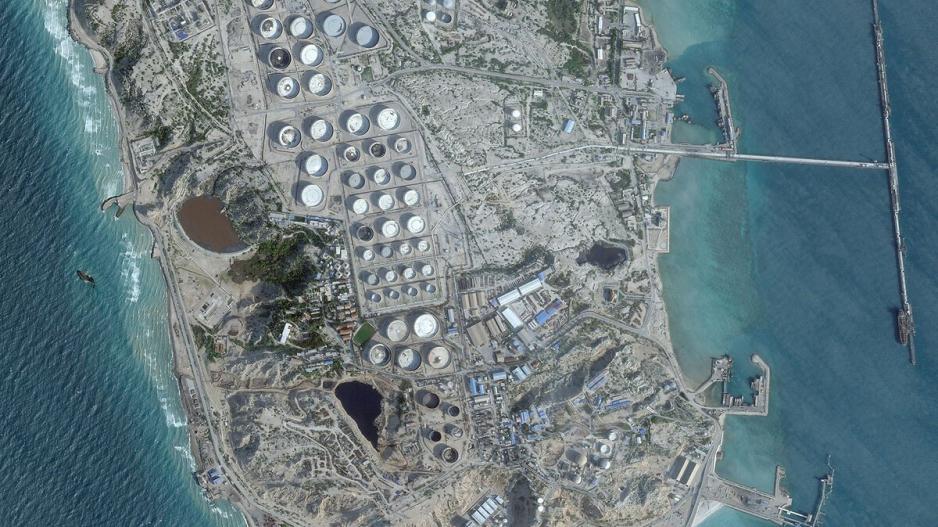
Within this context, Washington is reportedly considering an extremely aggressive scenario: the seizure of Kharg Island, the hub through which roughly 90 percent of Iran’s oil exports pass.
The logic behind such a move is that the US could control Iran’s primary export mechanism, cut off critical revenue streams, and gain a powerful bargaining chip without fully destroying energy infrastructure. However, this would mark a clear transition into a far more dangerous phase of the war.
Thousands of US troops are reportedly on standby, including elements of the 82nd Airborne Division and two Marine Expeditionary Units deploying to the region. These forces include infantry, aviation assets, amphibious capabilities, V-22 Osprey aircraft, F-35 fighter jets, and support systems, enabling both amphibious and airborne operations.
US military analysts suggest such an operation would rely on speed and surprise, aiming to secure key facilities before Iran can mount an effective response. However, the real challenge would not only be capturing the island but holding it under constant pressure, given its proximity to Iranian shores and its exposure to missiles, drones, and artillery.
Even a successful operation would not guarantee a political outcome. Tehran could respond with further escalation, strike other energy infrastructure in the region, or even destroy its own facilities to prevent them from falling under US control. This could transform the conflict into an open economic war with unpredictable consequences for global markets.
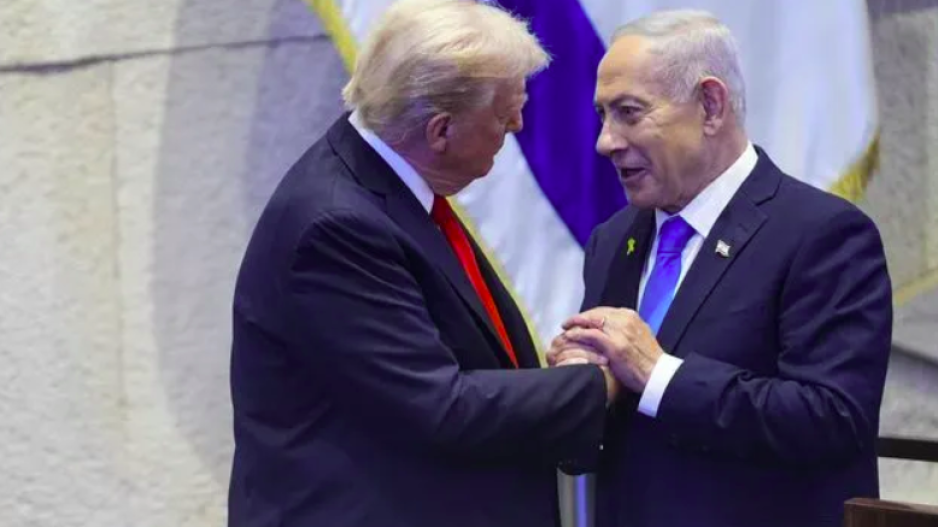
The possibility of renewed US–Iran dialogue is also creating a significant political dilemma for Benjamin Netanyahu. In Israel, there is growing belief that Trump may be seeking an exit from the conflict, highlighting a divergence in strategic objectives between the US and Israel.
Netanyahu appears determined to continue the war until what he describes as existential threats to Israel are eliminated, while also promoting, behind the scenes, the idea of destabilizing or even changing the regime in Tehran. However, if Washington shifts toward compromise, the Israeli prime minister faces a difficult choice. He cannot easily continue such a broad conflict alone without US political and military support, yet he also cannot openly reject an American initiative.
This divide became even more visible following reports that Trump rejected Netanyahu’s suggestion for a joint public call urging the Iranian people to take to the streets against their government. According to US sources, the American president feared such a move could lead to mass bloodshed among protesters, judging the potential cost to be disproportionate.
Israel appears to view a popular uprising as a possible lever for regime collapse. Washington, by contrast, seems to regard regime change not as a primary strategic objective but as a potential byproduct, should it occur. This difference is not minor. It directly shapes how each side defines the end of the war.
Despite harsh rhetoric, analysts believe a US–Iran agreement remains difficult. Tehran appears to believe it has not been militarily defeated to the extent that it must accept all American demands. On the contrary, it sees itself as still holding critical leverage, particularly through its influence over the Strait of Hormuz and its ability to disrupt energy flows.
On the other side, Trump appears convinced that continued pressure may eventually force Iran’s leadership to yield. This mismatch in expectations is precisely what makes diplomacy fragile and keeps the risk of further military escalation very much alive.
Source: Offsite