
Thermal Stress on Transit Infrastructure: The Mechanical Impact of Heatwaves on Vehicles
Analyzing the Mechanical Vulnerabilities of Urban and Commercial Fleets Under Extreme Thermal Stress, and Strategies for Operational Optimization.
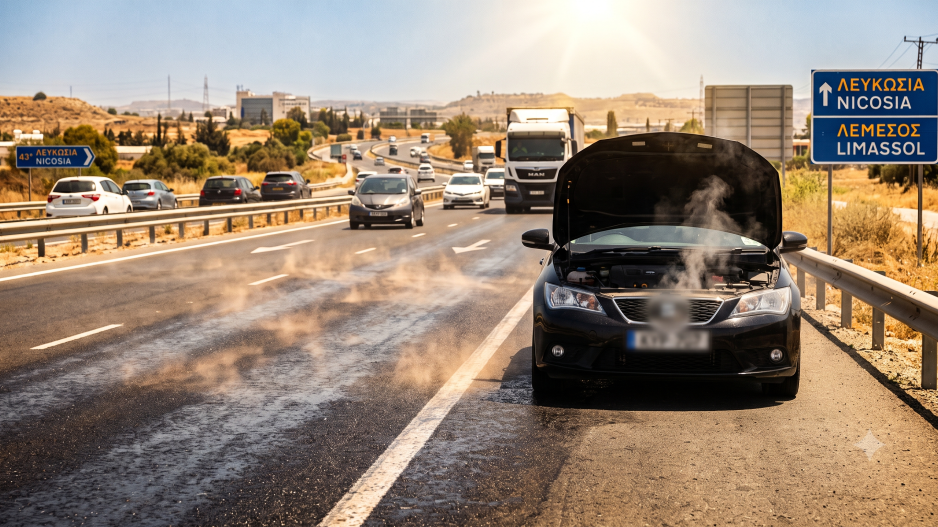
Intense heatwaves put vehicles through an unforgiving mechanical stress test. From thinning lubricants to dangerous tire pressure expansion, extreme ambient temperatures aggressively accelerate degradation. Discover the vital proactive maintenance and thermal optimization steps needed to safeguard your car this season.
The Hidden Cost of Sweltering Asphalt
When an intense heatwave strikes, public attention naturally focuses on human safety, yet our transit infrastructure faces its own silent crisis.
Beyond the visible strain on workers, vehicles are among the most vulnerable entities in high-season conditions. Extreme ambient temperatures act as an unforgiving stress test, forcing mechanical and chemical systems to operate at their absolute upper limits. From thinning lubricants to hyper-reactive electrical grids, extreme heat does not just make a journey uncomfortable, it aggressively accelerates mechanical degradation and exposes minor vehicular vulnerabilities that would otherwise remain hidden in milder weather.
The Toll on City Cars and Commercial Trucks
The operational impact of extreme heat manifests differently across urban runarounds and long-haul commercial transport, but the damage is universally severe.
For city cars trapped in stop-and-go traffic, a lack of consistent, high-velocity airflow heavily penalizes the radiator, pushing engines toward catastrophic overheating while forcing air conditioning compressors to work at maximum capacity.
Conversely, heavy-duty commercial trucks face massive structural threats under load; scorching asphalt temperatures rapidly heat the air inside massive tires, causing dangerous pressure expansion that frequently results in high-speed tread separation and catastrophic blowouts.
Furthermore, both vehicle classes suffer from reduced fuel density and thinned engine oil, leaving vital components like turbochargers and fuel injectors exposed to metal-on-metal friction.
Crucial Preventative Precautions
Surviving the peak of summer requires moving away from reactive fixes toward a strict, proactive maintenance regimen.
Drivers must treat cooling systems as a top priority by verifying correct coolant mixtures, flushing out trapped radiator debris, and checking rubber hoses for heat-induced brittleness. Tire management must also shift; pressure checks should be performed strictly when the rubber is "cold", before driving has caused further thermal expansion, and inflated precisely to the vehicle placard specification rather than the maximum limit stamped on the sidewall.
Additionally, keeping an eye on the dashboard for early temperature alerts and testing battery health can prevent the common summer phenomenon of battery fluid evaporation leaving drivers stranded.
The Ultimate Solution: Thermal Management and Optimization
The definitive solution to safeguarding vehicles from extreme heat lies in comprehensive thermal management and optimized operation.
Beyond routine fluid top-offs, owners should transition to higher-viscosity, heat-resistant synthetic lubricants and advanced coolants engineered with elevated boiling points to maintain structural integrity under intense thermal loads.
Behaviorally, minimizing vehicle stress during peak sunlight hours by shifting heavy transit to the cooler "golden hours" of dawn and dusk greatly reduces structural strain.
When driving is unavoidable, deploying physical barriers like premium UV-reflective sunshades and parking in well-ventilated, shaded spaces acts as the ultimate defense line, shielding internal electronics and mechanical seals from turning the vehicle into a localized greenhouse.