The Unexpected Resurgence of Physical Media
How a Seemingly Lost Battle May Have Another Twist.
Have you ever launched Netflix or any other streaming service, excited to watch a specific film for your movie night, only to realise that the movie is no longer available? Ever looked for your favorite artist on Spotify and they’re nowhere to be found?
Such situations are only a tiny fraction of everything that has sparked a heated debate over digital ownership, and whether there’s still a demand for physical media in 2025.
This conversation is a multi-layered affair whose results and consequences have manifested themselves in numerous ways.
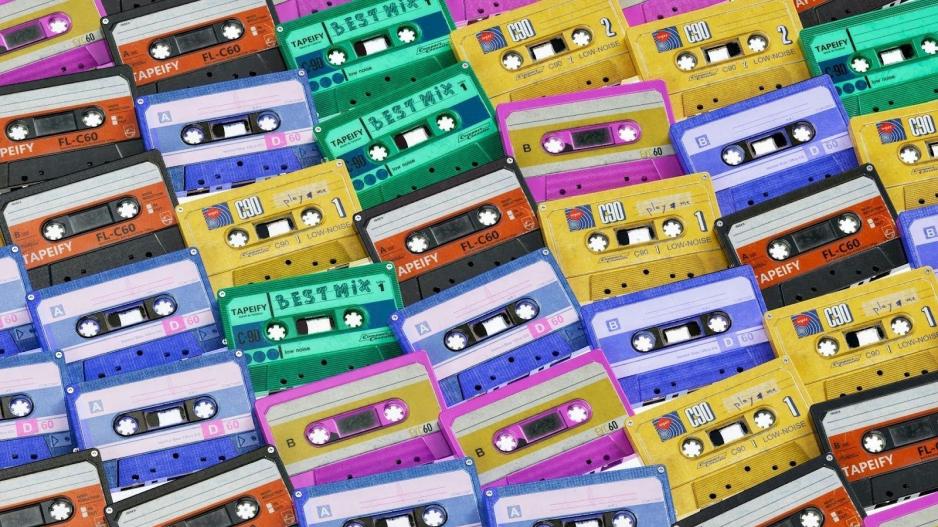
Besides the philosophical, ethical, and practical debates around physical and digital media, there has been a clear rise in demand for all things retro in recent years. Gen Z and the people that grew up in a mostly digital world have found an aesthetic retro appeal in CDs, Walkmans, and other somewhat outdated devices by 2025 standards. This is not to say that their interest is purely superficial or without its practical advantages, as we need to realise that such objects are their very own window to a whole new, unexplored world. A world they were either too young to experience or even one that has totally preceded them.
Similarly, millennials have totally embraced their nostalgia shopping habits, with media like vinyl records, cassette tapes, and Polaroids recording a remarkable resurgence in recent years. There is a dynamic market for all things 90s at the moment, which is quite evident by the recent wave of movie remakes from that era, from Disney classics like Mulan to Jurassic World.
With the streaming era reaching its dominant peak, physical media looked all but dead, with companies slowly but surely moving away from their costly and often risky physical production, and new generations growing increasingly less accustomed to their usefulness and even their existence itself.
However, as is usually the case, no success comes without its burdens, and the overwhelming monopoly of digital media in recent years has its fair share of them as well.
Consumers worldwide have begun to realise that in order to access all of the content they wish to enjoy legally, they need a handful of monthly subscriptions at the very least, with various pieces of content like films or TV shows not even being available at all in some countries.
Essentially, what this means is that consumers are completely dependent on the whims of every multinational company behind each platform, with subscription costs constantly rising, often quite abruptly and sharply.
One of the most prominent examples of people coming together to oppose the anti-consumer policies that the rise of digital media has brought is the ‘Stop Killing Games’ movement. This movement was started by YouTuber Ross Scott and since April 2024, it has gained extreme momentum, surpassing a million digital signatures in July 2025, prompting the European Commission to address the issue, which was the initiative’s goal from the beginning.
‘Stop Killing Games’ was launched as a countermeasure to the continued patterns of behavior displayed by corporations in the highly troubled gaming industry. Essentially, companies have the right to render their games unusable for users who have paid full price for their purchase. Naturally, this goes against all ethical notions of ownership and fair trade, leading consumers to the exact same point as TV or music subscription-based platforms—despite paying a fixed fee month after month, they own nothing.
Considering all of the above, it is no wonder that people of all ages and backgrounds are at least thinking of returning to analog media for their entertainment. Whether this shift shows a different future or it will be yet another trend with no staying power, remains to be seen.
The only certain aspect of this debate is that consumers are not out of options.
Not yet.