Coral Reefs in Peril: The Ongoing Global Bleaching Event
The Scale of the Damage, the Science of Recovery, and the Path Forward
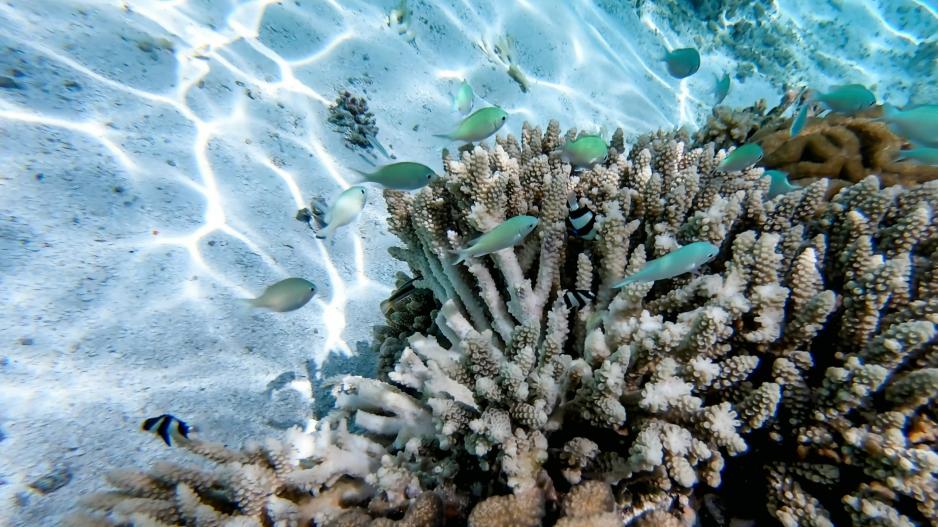
Beneath the ocean's surface lies a vibrant world that supports nearly a quarter of all marine life: coral reefs. Often referred to as the "rainforests of the sea," these ecosystems not only provide a home for marine species but also deliver food security, tourism income, and coastal protection for millions of people across the globe. Their economic value is estimated to be close to $10 trillion annually, yet their survival is now more threatened than ever.
As climate change intensifies, coral reefs are enduring the most severe bleaching event ever recorded. Bleaching, caused primarily by ocean heat stress, strips corals of their vibrant colors and vital algae, weakening or killing them. This unfolding crisis is affecting reefs on an unprecedented scale—across continents, climates, and political borders, bringing alarming new data to light from both global and European perspectives.
Since January 2023, approximately 84% of the world’s coral reef areas have experienced bleaching-level heat stress. This includes over 82 countries and territories, from the Great Barrier Reef in Australia to the coasts of Central America, Southeast Asia, and the Pacific Islands. By April 2025, the International Coral Reef Initiative (ICRI) confirmed the occurrence of the fourth global bleaching event—one that now surpasses the 2014–2017 crisis, which affected roughly two-thirds of the world’s reefs.
This time, the scale and intensity are staggering. CoralReefWatch data shows that oceanic heat stress is not only more widespread but also more prolonged. Scientists have even expanded NOAA’s bleaching alert system to include new alert levels—Levels 3, 4, and 5—as temperatures push past historical extremes. The result? Widespread coral mortality, reef “graveyards,” and a race against time to intervene.
While coral reefs are typically associated with tropical regions, the Mediterranean, and Europe more broadly, is not immune to marine heatwaves and ecological disruption. The first half of 2025 marked the warmest on record for Mediterranean waters, triggering growing concern among marine ecologists. Invasive species, including non-native fish and algae, are thriving in warmer conditions, while native ecosystems, including sponges and soft corals, struggle to adapt.
Cyprus, often overlooked in global marine biodiversity discussions, also faces mounting pressure. Although comprehensive 2025 bleaching data for Cypriot waters remains limited, past assessments have warned that local coral ecosystems are at high risk due to both climate change and unsustainable tourism practices. Researchers and NGOs in the region have emphasized the need for better monitoring and protection strategies before these fragile systems disappear altogether.

The ecological cost of this crisis is immense. Coral reefs, though covering less than 0.1% of the ocean floor, support an estimated 25% of marine species. Beyond biodiversity, they serve as natural barriers that reduce coastal erosion and flooding, especially in island nations and low-lying coastlines. Their disappearance could displace millions and disrupt economies dependent on fishing and eco-tourism.
According to the UN Statistics Division’s 2025 SDG Report, without aggressive global climate action, warming of just 1.5 °C could wipe out 70–90% of the world’s tropical reefs. At 2 °C, nearly all coral reefs could vanish. This bleak outlook underscores the urgency of mitigating greenhouse gas emissions and enforcing international commitments such as those under the Paris Agreement.
Despite the dire outlook, pockets of hope remain. Some corals have shown resilience by hosting heat-tolerant algae known as zooxanthellae clade D, allowing them to survive warmer waters. These thermally resistant corals offer insight into how reef systems might adapt in a warming world, if given the chance.
Efforts are also underway to actively restore damaged reefs. Projects focused on coral gardening, seeding, and transplantation are scaling up in key regions. However, a recent study by the European Commission’s Joint Research Centre warned that restoration alone cannot reverse coral decline without simultaneous action on climate and pollution. Coordinated international efforts, data sharing, and prioritizing the most severely affected areas are all critical if reefs are to recover.
Amid escalating threats, coordinated restoration programs are emerging across continents. The Mars Coral Reef Restoration Program has pioneered scalable techniques like “Reef Stars” to stabilize damaged seabeds, allowing coral fragments to flourish, successfully restoring over 15,000 corals in five days in the Maldives. In Indonesia, Mars-led efforts helped fully recover degraded reefs within just four years, showing near-complete restoration of biodiversity and structural complexity. On a policy level, scientists are now urging for cross-border regulatory reforms to enable the transfer of genetically resilient coral strains—pushing for frameworks that support assisted gene flow, climate-adaptive coral breeding, and technology-enhanced reef recovery at scale. These developments represent a turning point in global reef management, where science, diplomacy, and innovation intersect to offer hope.
The ongoing global coral bleaching event is more than an ecological tragedy: it is a warning siren for the future of our planet. While the data is sobering, it also illuminates a path forward: one where science, conservation, and global cooperation can help coral reefs survive. For Europe and the world at large, the time to act is now, before the world’s most vital marine ecosystems slip away entirely.