Global Inequality Crisis Threatens Democracy
A new study urges G20 leaders to address income disparities with the urgency of the climate crisis.
Income inequality has become a global crisis that threatens democracy and social cohesion, warns a committee of economists and academics, urging G20 leaders to address it with the same urgency as the climate crisis.
Dubbed the “inequality crisis,” this widening gap is worsening hunger for billions and could deteriorate further due to certain government policies—particularly trade measures under U.S. President Donald Trump—according to a new report published yesterday, directed by Nobel Prize-winning economist Joseph Stiglitz.
“One in four people around the world now regularly skips meals, while the wealth of billionaires has reached unprecedented levels in human history,” the report states.
The study was commissioned by the South African presidency of the G20, which brings together the world’s largest economies and will convene on November 22–23 in Johannesburg.
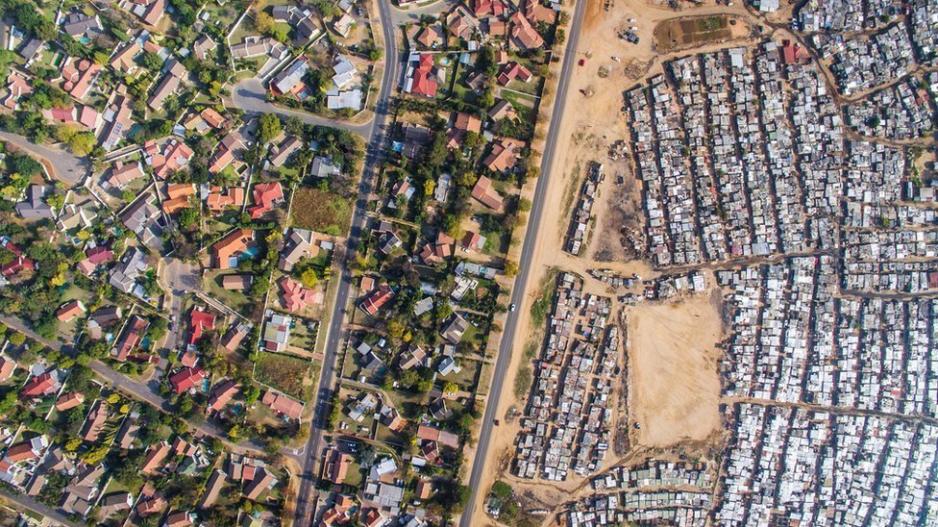
Global income inequality remains stark, even though it has declined somewhat since 2000—mainly due to China’s rapid economic growth, note the six authors of the report.
Between 2000 and 2024, the wealthiest 1% of the world’s population accumulated 41% of all new wealth, while the poorest 50% received just 1%, the report highlights.
In the coming decades, 1,000 billionaires are expected to transfer more than $5.2 trillion to their heirs—largely tax-free—further entrenching inequality across generations.
“This is not only unjust and corrosive to social cohesion; it is also a threat to the economy and to politics,” Stiglitz emphasizes in a press release accompanying the report.
The report warns that President Trump’s trade policies, including the imposition of additional tariffs, risk deepening global inequality.
Commissioned by President Cyril Ramaphosa, whose country—South Africa—is identified by the World Bank as the most unequal nation in the world, the report links economic disparities to the erosion of democracy and the rise of authoritarianism.
Stiglitz and five other experts propose the creation of an International Commission on Inequality, which would study all contributing mechanisms, such as tax evasion and tax avoidance practices. Their goal is to produce well-informed analyses that could guide effective policymaking.
South Africa, which currently holds the G20 presidency, is the first African nation to do so. The G20 brings together 19 countries, the African Union, and the European Union, representing 85% of global GDP and two-thirds of the world’s population.
“Inequality is a betrayal of human dignity, an obstacle to inclusive development, and a threat to democracy itself,” said President Ramaphosa, who aims to make the issue a central theme of the upcoming G20 Summit.