Greenland, Tariffs and Power Politics: Trump Tests Europe’s Resolve
NATO allies brace for a new phase of transatlantic strain.
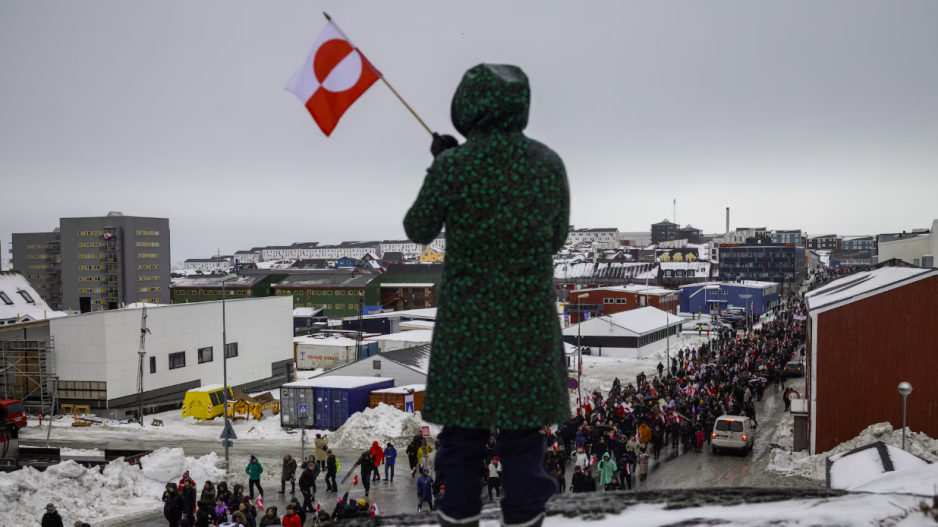
Donald Trump’s renewed focus on Greenland has reignited tensions across Europe, serving as a stark reminder that no agreement with Washington is ever truly settled. The US president’s latest tariff threats against European allies risk unraveling transatlantic relations and destabilizing global markets.
Trump announced plans to impose 10% tariffs—rising to 25% by June—on eight European countries, including Denmark, after they said they would take part in limited NATO military exercises in Greenland. The move has already undermined the EU–US trade truce reached just six months ago at Turnberry, Scotland, even though it remains unclear whether the tariffs will ultimately be enforced.

Europe Pushes Back Over Greenland and Tariffs
European leaders responded forcefully. UK Prime Minister Keir Starmer called the threat “completely wrong,” French President Emmanuel Macron labeled it “unacceptable,” and Swedish Prime Minister Ulf Kristersson said Sweden “will not be blackmailed.”
EU ambassadors are set to meet to assess next steps, while senior figures in the European Parliament have urged a freeze of the EU–US trade ceasefire. Analysts note that the episode reflects core features of Trump’s second term: transactional diplomacy, skepticism toward alliances, and reliance on economic leverage.
Joshua Lipsky of the Atlantic Council warned that expectations of tariff stability were misplaced, saying the second Trump term increasingly resembles the first.
NATO Allies Targeted Over Minimal Military Exercises
The threatened tariffs would hit Denmark, Norway, Sweden, France, Germany, the UK, the Netherlands, and Finland—all NATO members and long-standing US allies. The controversy has been fueled by the fact that the Greenland exercises involve only a few dozen troops.
“This isn’t Iran—we’re talking about Denmark,” said trade analyst Scott Lincicome, warning the move would anger both allies and US businesses. In Denmark, public protests have erupted against any suggestion of US control over Greenland.

Macron Floats EU Economic Countermeasures
Amid rising tensions, Macron is expected to propose activating the EU’s anti-coercion mechanism, allowing Brussels to impose economic countermeasures on countries applying political pressure through trade.
French officials confirmed the mechanism could be triggered by qualified majority, not unanimity, and could affect investment projects and access to EU public procurement markets, significantly escalating the standoff.
Alarm in Washington and NATO
Concern is also growing in the US. Senators Thom Tillis and Jeanne Shaheen urged the administration to abandon threats and pursue diplomacy, while the Senate’s NATO caucus warned the strategy is harmful to America and its allies.
Trump has repeatedly refused to rule out seizing Greenland, despite the risk of triggering NATO’s Article 5, as Greenland is part of Denmark. White House official Stephen Miller claimed Denmark cannot defend the territory, a statement rebutted by the European Commission, which cited both NATO obligations and Article 42.7 of the EU Treaty.
A Turning Point for Europe’s Trump Strategy?
European leaders have long sought to manage Trump through compromise, mindful of US support for Ukraine. However, analysts say the Greenland dispute may mark a shift, as appeasement has failed to deliver stability.
Even if the tariffs are never imposed—possibly due to legal hurdles—the threat alone has restored uncertainty to transatlantic trade and security relations.
For Europe—and smaller EU states closely watching developments, including Cyprus—the message is increasingly clear: economic pressure has become a central tool of US geopolitics.