This Is the “Word of the Year” for 2025, According to the Cambridge Dictionary
A surge in fandom, influencer culture and AI interactions pushed the academic term into mainstream language.
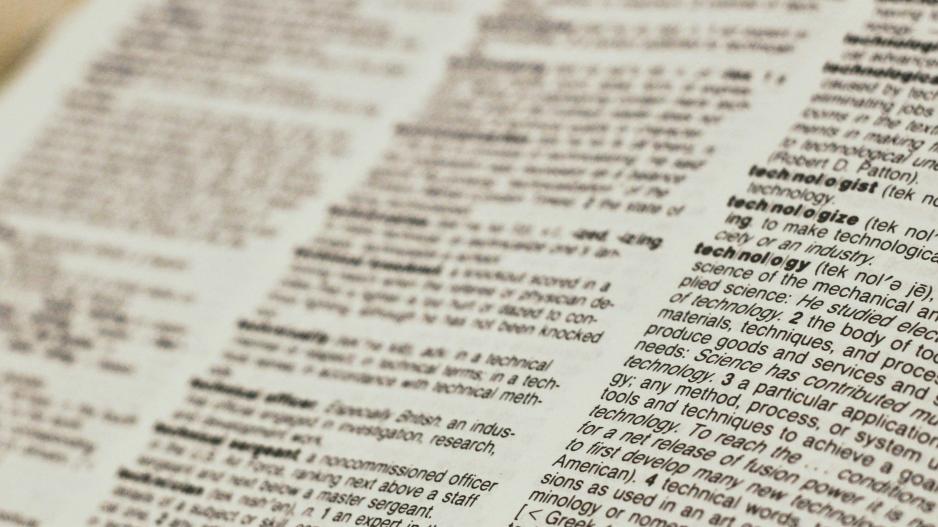
The Cambridge Dictionary has crowned “parasocial” as its Word of the Year for 2025, highlighting a global surge in one-sided emotional bonds with celebrities, influencers and increasingly, AI chatbots. Defined as a perceived connection with someone a person has never met—whether a public figure, fictional character or digital entity—the term captured unprecedented interest on the dictionary’s website throughout the year.
Colin McIntosh, head of the Cambridge Dictionary, said the choice “captures the 2025 zeitgeist,” noting that what began as a specialised academic term has transformed into a mainstream concept shaping online behaviour and modern fandom.
Social psychologists say the rise of parasocial relationships reflects dramatic changes in how people interact in an era dominated by social media and AI-powered platforms. According to Professor Simone Schnall of the University of Cambridge, these connections can create a powerful illusion of intimacy, fostering trust and loyalty despite being entirely one-sided.
The phenomenon has become visible across contemporary culture. High-profile relationships—such as Taylor Swift and NFL star Travis Kelce’s engagement, which triggered intense emotional reactions from fans worldwide—illustrate how deeply audiences can feel invested in the lives of people they have never met. In the UK, singer Lily Allen’s album “West End Girl”, chronicling her breakup, generated similar waves of identification and online discussion.
Analysts note that AI has further expanded the landscape. Many users now report emotional attachment to conversational tools like ChatGPT and other chatbots, blurring boundaries between human-to-human and human-to-machine interaction.
Though newly popular, “parasocial” is not new. It was first introduced in 1956 by University of Chicago sociologists Donald Horton and Richard Wohl, who observed that television viewers developed relationships with screen personalities resembling those they held with family or friends. Nearly 70 years later, the rise of influencers, livestreaming, and AI has revived and redefined the concept.
McIntosh said search data for the term spiked repeatedly throughout 2025, demonstrating widespread curiosity about the phenomenon. “Millions of people are engaged in parasocial relationships; many more are fascinated by their rise,” he noted.
Alongside “parasocial,” Cambridge Dictionary highlighted several other emerging or updated terms shaped by digital culture:
-
slop — low-quality online content, often generated by AI.
-
memeify — the process of turning events or people into viral memes.
-
New slang additions including “delulu,” “skibidi,” and “tradwife”.
In total, the dictionary added 6,000 new words this year, reflecting rapid evolution in language as technology and culture continue to shift.