Parliament Slams Contractors’ Oligopoly in Cyprus Public Works
Audit flags huge delays and thin competition; government rolls out blacklists, ratings and live data to clean up tenders.
Cyprus’ Parliamentary Audit Committee dissected a hard-hitting report by the Audit Office on the allocation and delivery of public construction contracts (2015–2024), exposing market concentration, chronic delays and alleged bid “coordination.” Officials unveiled a package of corrective measures due by year-end, while MPs pressed for probes into suspected collusion and tougher exclusions for repeat offenders.
>>Public Works Dominated by 3 Contractors — Average Delay Nearly 1.3 Years<<
Audit Office lead Stalo Aristidou stressed the report does not judge whether the “big three” should or shouldn’t have been awarded specific projects; rather, it documents how limited options “reduce the state’s negotiating power.” Auditor General Andreas Papaconstantinou said the aim is to prompt reflection on how the “market pie” is shared.
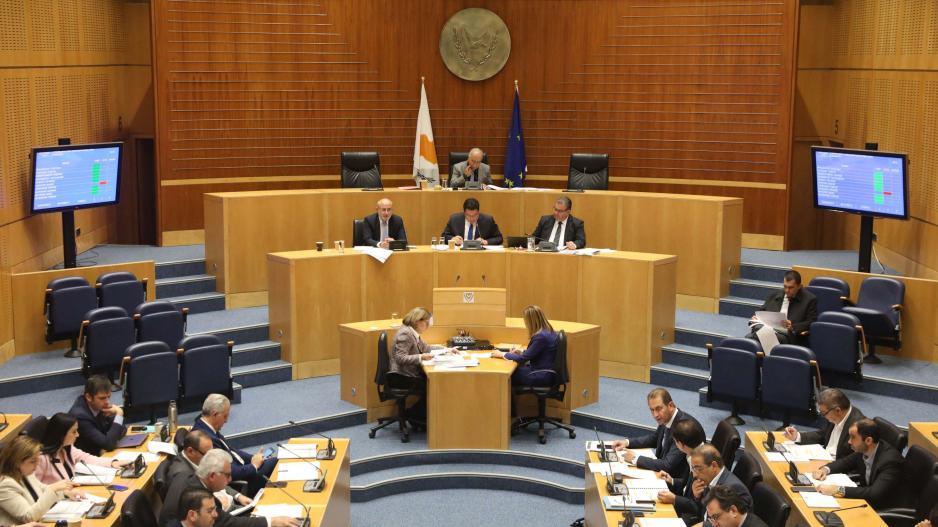
Audit Committee Chair Zacharias Koulias (DIKO) said the picture points to a de facto monopoly effect in large projects and pushed the Contractors’ Association (OSEOK) and the General Accounting Office to propose more flexible, effective procedures.
AKEL MPs Kostas Kostas and Christos Christofides raised concerns over alleged “under-the-table understandings” and a pattern where large contractors over-commit, delay one project, then escalate claims to raise final prices. They urged targeted investigations linking who won what, how many projects ran concurrently, and delay patterns.
DISY MP Savia Orphanidou called the report “very useful” and pressed to strengthen competition, including supporting capable firms to take the risk of bidding and adding quality criteria beyond the lowest price.
Volt Alexandra Attalidou questioned the persistence of “national contractors”, barriers to new market entrants, and the systemic causes of delays averaging nearly 1.5 years.
DIPA MP Alekos Tryfonides welcomed imminent reforms to ensure equal access, a reliability and performance registry, and oversight of major projects to curb delays and low-competition awards.
OSEOK President Stelios Gavriel said the problem is concentrated in large technical works, noting post-crisis industry shrinkage and high entry costs (“€50m+ investment to compete”). He urged mediation to resolve disputes — arguing it could have averted cancellations like the Paphos–Polis road and the Liopetri river project. He also flagged supply-side constraints (e.g., only three firms licensed in asphalt).
The Transport Ministry has forwarded the Audit Office report to the Competition Protection Commission due to dominance concerns alluded to in the report.

General Accountant Andreas Antoniadis and Public Procurement Director Filippos Katranis outlined measures the Finance Ministry and General Accounting Office are putting in place before year-end, with full data maturity by 2026:
-
Pre-award history checks: Contracting authorities will verify past performance, ongoing workload and delivery records before awarding.
-
Exclusion regime reboot: The Exclusion Committee is now easier to staff (lawyers can serve; remuneration clarified) to avoid decision bottlenecks. A blacklist/exclusion registry went live in August, enabling data-driven bans.
-
Transparency dashboards: Public release of contract and contractor data, plus names of terminated contracts, with an upgraded e-procurement system to offer real-time tender and performance data by 2026.
-
Performance scoring: On completion, each contractor will receive an effectiveness rating from impacted parties — aiming to deter non-completion and post-award cost hikes.
-
Quality-based criteria: Roll-out of mandatory qualitative criteria (not just lowest price) in tender documents.
-
Mediation framework: A friendly settlement/mediation proposal is before the Finance Minister (estimated €60k set-up), to be advanced to Parliament once funded.