Cyprus' Economic Competitiveness Remains Low in 2025
This year's decline is primarily attributed to a sharp drop in the 'Economic Performance' pillar - 'Business Efficiency' remains a key weakness.
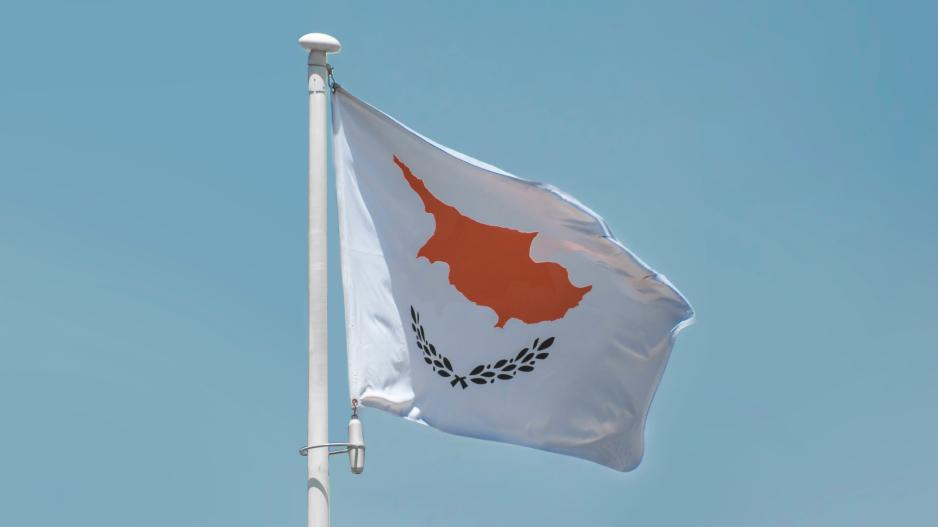
Cyprus ranks 44th out of 69 countries in the 2025 IMD World Competitiveness Ranking, dropping one position compared to last year. The annual index, which assesses economies across four pillars—economic performance, government efficiency, business efficiency, and infrastructure—shows a mixed picture for Cyprus, with improvements in certain areas and setbacks in others.
The country’s overall score stands at 61.8. Within the EU, Cyprus ranks 18th among the 26 member states evaluated (Malta was not included), continuing to hover in the lower half of the table.

The decline in overall ranking is primarily attributed to a sharp drop in the economic performance pillar, where Cyprus fell eight positions to 36th. This drop is linked to worsening results in three out of five sub-categories. The international investment component saw a sharp fall (down 15 places to 23rd), despite strong absolute figures, possibly reflecting concerns over volatility or sustainability. The domestic economy and international trade both declined by three positions (45th in both), suggesting a weakening local demand and trade environment. However, Cyprus still ranks well in prices (14th), thanks to moderate inflation, and has shown modest improvement in employment (42nd, +3), maintaining a relatively low unemployment rate.
Conversely, government efficiency continues to improve, with Cyprus climbing two places to 26th. The most notable gain was in the institutional framework sub-category, which rose by eight places to 40th—likely due to governance reforms and increased creditworthiness. Yet, the country slid in other areas: public finance dropped two spots (32nd), tax policy declined five (22nd), and minor decreases were recorded in business legislation and the societal framework. Despite these setbacks, Cyprus continues to benefit from tax competitiveness and a relatively stable regulatory environment.
Business efficiency improved slightly, rising three ranks to 52nd, yet remains one of Cyprus’ most persistent weaknesses. Despite small gains in management practices (+2) and attitudes & values (+5), Cyprus continues to perform poorly in overall productivity and efficiency (48th, -4) and the labor market (48th, -5). The highest sub-category improvement came in finance (42nd, +7), likely reflecting increased access to capital or more favorable financing conditions. Nevertheless, management practices ranked 62nd—among the lowest in the world—highlighting long-standing issues with leadership quality and strategic decision-making in firms.
Infrastructure saw deterioration this year, with Cyprus dropping four positions to 46th. The most pressing concern remains basic infrastructure, where Cyprus now ranks 68th out of 69 countries, due to persistent challenges in energy supply, water management, and urban planning. Meanwhile, technological (49th) and scientific infrastructure (55th) remain below average, although education (20th, +2) stands out as a relative strength. Health and environment (34th) held relatively steady with only a minor decline.

Cyprus’ competitiveness ranking over the past five years reflects a degree of volatility: 33rd in 2021, 40th in 2022, 45th in 2023, 43rd in 2024, and 44th in 2025. While the country's overall performance remains stable in relative terms, the latest assessment reinforces the need for structural reforms in education, innovation, and the labor market.
The 2025 report highlights five critical challenges for Cyprus:
-
Managing the green transition and climate-related risks
-
Addressing the economic impact of trade and geopolitical uncertainty
-
Implementing reforms in tax and education systems
-
Tackling skills shortages and boosting productivity
-
Staying aligned with medium-term fiscal targets

Globally, Switzerland, Singapore, Hong Kong SAR, Denmark, and the UAE make up the top five performers, while Venezuela, Namibia, Nigeria, Turkey, and Mongolia rank at the bottom.