Cyprus Hotel Industry Faces Escalation
Unions threaten dynamic strike actions over non-compliance with collective agreements.
The hotel industry in Cyprus is on edge following the announcement by the hotel worker unions of SEK and PEO regarding their intention to take dynamic strike action. These measures, as noted by the unions, are expected to unfold in the coming days, although the exact timing and scale—whether widespread or targeted—remain unspecified.
This deliberate ambiguity appears to be a strategic move, aimed at giving the Ministry of Labour time to intervene and mediate between the parties involved.

Ministry of Labour Issues Appeal but Avoids Direct Action
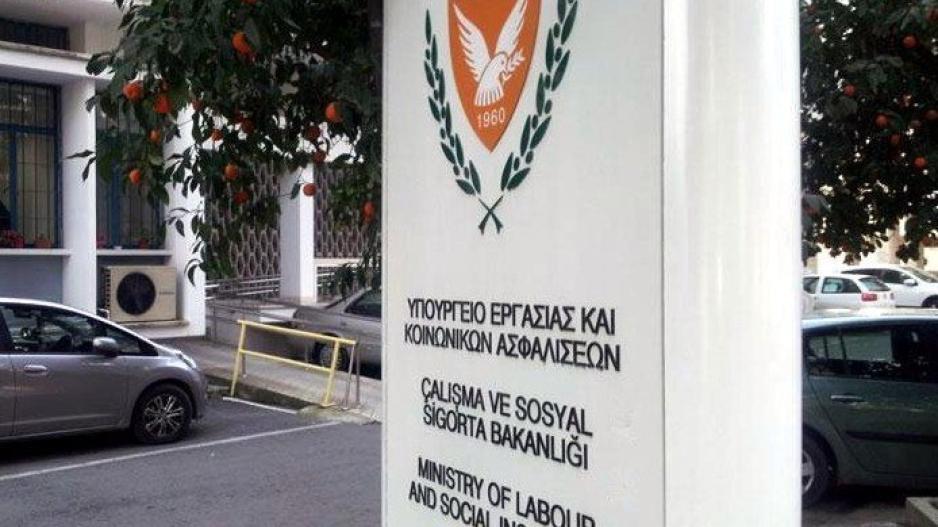
The Ministry of Labour responded late yesterday with an appeal to both sides, emphasizing that maintaining stable labour relations in the hotel sector is a collective responsibility within the framework of tripartite cooperation. The ministry also confirmed it is in contact with both the hotel associations and the unions and is planning mediation meetings.
However, the Ministry has yet to clarify whether the unions’ claims of collective agreement violations are substantiated. Similarly, the unions have not provided specific evidence to support their allegations despite being challenged to do so by hotel associations.
Neophytos Timinis, General Secretary of PEO’s hotel union, told Brief that details regarding the nature of the strike actions (whether general or targeted) would be decided by the unions’ governing bodies on Monday. He also emphasized that unions are fully aware of which hotels comply with agreements.
Criticism has been directed at the Ministry for offering only general appeals instead of resolving the core issues of the labour dispute. Observers familiar with labour relations processes highlighted the need for the Ministry to clarify which parties may be violating the Industrial Relations Code.
Hotel Associations Keep a Low Profile While Employers Federation Takes a Firmer Stance
The Cyprus Hotel Association (PASYXE) and the Association of Cyprus Tourist Enterprises (STEK) responded to the unions’ announcements with a brief three-paragraph statement, aiming to avoid escalating tensions. Both associations reiterated their position, previously stated on July 16, that the smooth functioning of labour relations benefits all parties and that their members are encouraged to honor the agreements.
In contrast, the Employers and Industrialists Federation (OEB) issued a strongly worded statement, calling the unions’ strike threats “unacceptable” and urging them to “act responsibly” and withdraw their actions. OEB also called on the Ministry of Labour to intervene decisively to prevent disruption and protect tourists from being caught in the middle.
OEB argued that the unions’ announcements violate both the Industrial Relations Code and basic principles of respect for tripartite cooperation.

Tensions Rise Over July Wages and Unfair Competition
Speaking to the Cyprus News Agency, Neophytos Timinis stated that for the strikes to be avoided, hotel employers must honor the July payroll commitments, as per the collective agreement signed on December 5, 2024. This includes a one-off €240 payment for employees who worked in 2023.
He emphasized that numerous small hotel units are non-compliant, but the most serious violations involve four to five large hotel chains employing 35–40% of hotel workers. According to Timinis, these chains have been ignoring union requests for six months.
The unions also argue that compliant hotels are being subjected to unfair competition by those disregarding the agreement. Timinis called on compliant hoteliers to pressure their associations for full enforcement.
Regional Variations and Agreement Enforcement Gaps
Timinis pointed out that compliance rates vary by region. Implementation is highest in Limassol, while Famagusta and Paphos show lower compliance, partly due to seasonal factors.
He noted that warnings were sent to hotel owners as early as December 2024, urging them to implement the agreement—particularly the €240 one-off payment and salary increases from January. Despite follow-up letters in early 2025, many hoteliers have not complied.
Timinis dismissed claims that the strike decision was abrupt, stating that the unions’ intention had been clear for months.
Employers’ View: Only a Few Major Offenders
STEK President Akis Vavlitis expressed disappointment at the union’s decision to proceed with strike actions. He argued that issues should be resolved through the Department of Labour Relations, which currently holds fewer than ten formal complaints against hotels.
Vavlitis also pointed to Cyprus’s labour shortage, noting that dissatisfied workers can easily find jobs in better conditions. According to him, many hotels offer more benefits than those outlined in the collective agreements. He stressed that most STEK members do not appear to be in conflict with unions and urged all parties to act rationally and resolve issues through existing legal channels.