Cyta: From Networks to Energy – The Major Transformation of a Public Organization
The Pros and Cons of a State-Backed Organization Entering a Competitive Market.
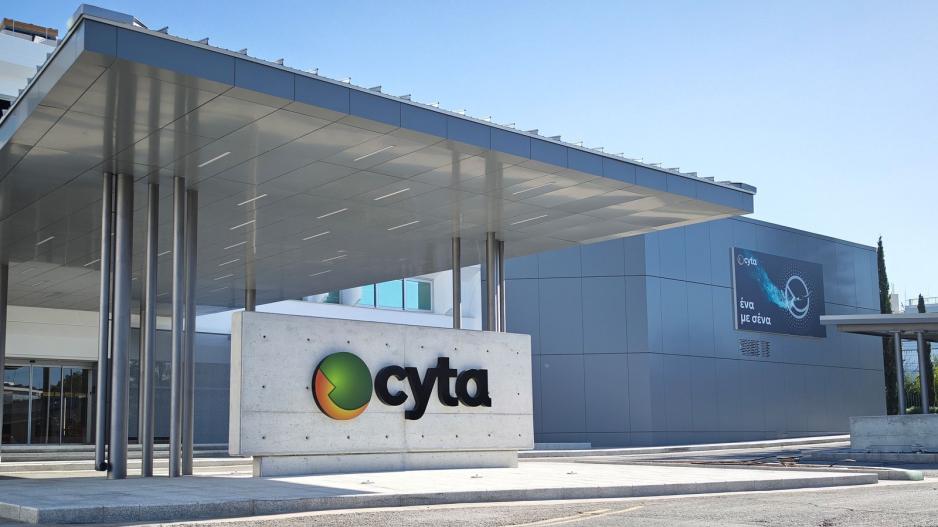
Legal Service and Ministry of Finance Called to Safeguard Market Balance
Cyprus is approaching a significant economic and business turning point. In today’s session of the Parliamentary Finance Committee on the 2025 amendment law, the discussion goes beyond bureaucratic procedures. The legislation has the potential to reshape the country’s business landscape, as it would allow Cyta to expand beyond telecommunications into new sectors, with energy as the primary focus.
The proposed amendment includes two main pillars:
First, Cyta’s direct involvement in the energy sector.
Second, the utilization of the organization’s real estate assets for energy investments.
If implemented, Cyta will no longer be limited to data transmission but will also participate in the production, storage, and management of energy. This strategy is expected to transform a traditionally semi-governmental telecommunications organization into a flexible investor in renewable energy.
Cyta possesses several advantages for this initiative. Its infrastructure extends across Cyprus, including remote areas, making it possible to install photovoltaic parks and energy storage systems. The geographic distribution of its facilities and its extensive real estate holdings are considered critical tools for participating in the green transition, in line with European Union directives aimed at strengthening renewable energy sources.
However, the entry of a state-backed organization into an already sensitive and competitive market raises serious concerns. Private providers and critics of the proposal highlight the risk of unfair competition, noting that Cyta could use its scale and existing advantages to push other players out of the market.
The Legal Service and the Ministry of Finance are expected to ensure that the legislation protects market balance and consumers by preventing distortions and monopolistic practices. This process includes a detailed evaluation of rules governing licensing, network access, and competition compliance, ensuring that preferential conditions are not created for the semi-governmental organization.
From the state’s perspective, Cyta’s expansion into new sectors is viewed as a strategic move to diversify its revenue streams, particularly at a time when traditional sources of income such as telephony are under pressure. If the strategy proves successful, Cyta could evolve into a multi-dimensional organization capable of financing investments in the green economy through its own profits, strengthening the sustainability of public finances.
At the same time, the move could act as an incentive for the private sector to upgrade its services, strengthening Cyprus’s overall energy market.
Today represents a critical moment for the direction Cyta will take. If the amendments are approved, the organization will transition from a traditional telecommunications provider into an energy market player. Whether this shift will lead to lower energy bills or new challenges will become clear in practice, as the energy market remains dynamic and highly sensitive to changes in prices and regulations.
Source: Brief