How Eurobank Plans to Leverage Cyprus for Its Regional Growth Strategy
New offices in Abu Dhabi, Saudi Arabia, Israel, and India highlight Eurobank’s ambitious expansion plan.
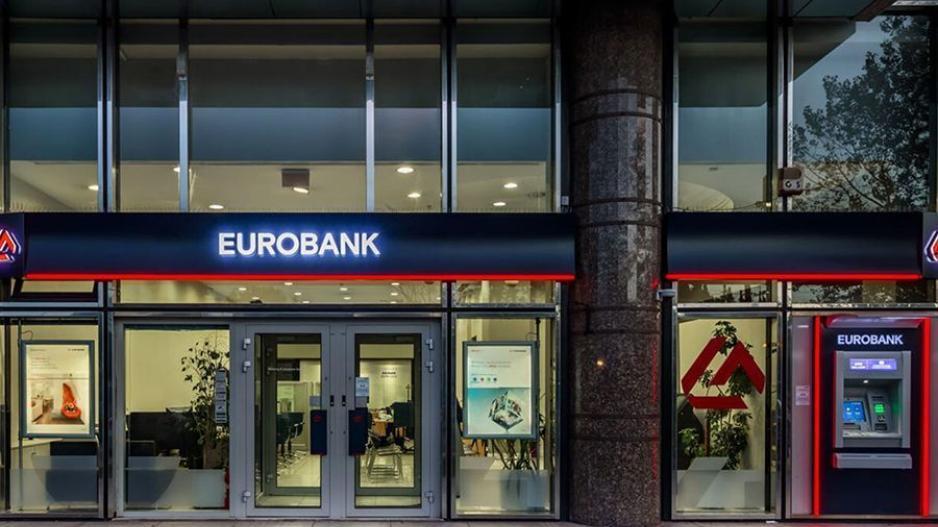
Eurobank has unveiled an ambitious international expansion strategy, positioning Cyprus as a pivotal hub for its growth in the Eastern Mediterranean and the Middle East. Following the acquisition and merger with Hellenic Bank, Eurobank now stands as the largest banking and insurance group on the island, solidifying its long-term commitment to the Cypriot economy.
According to Deputy CEO Stavros Ioannou, the Group’s growth model is built on extroversion and diversification, with Greece, Cyprus, Luxembourg and Bulgaria as the four key pillars of profitability. Eurobank aims for 55% of its profits to come from international operations by 2027, leveraging the strength of its regional network.
“We are the most diversified Greek banking group abroad, and Cyprus is a fundamental part of our strategy,” Ioannou stated during a presentation at Eurobank Ltd’s Nicosia headquarters.
After completing the Hellenic Bank acquisition, Eurobank Cyprus holds total assets of €28.1 billion, accounting for 28% of the Group’s assets (€103 billion). The island contributes 370 million euros, or 37% of Eurobank’s total net profits, making it the Group’s second-strongest pillar after Greece.
Eurobank Cyprus CEO Michalis Louis emphasized the strategic role of the island: “Cyprus has become an island of short distances and great ambitions. Our partnership with Eurobank has given us a decisive advantage.”
Since 2008, the bank’s Cypriot assets have expanded from €5.18 billion to €28 billion, underlining its sustained growth and trust in the local market.
In the framework of its international strategy, Eurobank is establishing representative offices in key financial centers — Abu Dhabi, Israel, Saudi Arabia, and India — connecting investors from Asia and the Middle East with opportunities in Greece and Cyprus.
The newly opened Mumbai office targets Indian businesses and high-net-worth individuals seeking access to the European market. Offices in Abu Dhabi and Saudi Arabia will focus on private banking, wealth management, and syndicated loans, especially amid the Gulf’s massive infrastructure expansion.
Meanwhile, Eurobank Luxembourg will continue to serve as the Group’s Wealth Management center, leveraging the country’s trusted financial reputation to attract international clientele.
Eurobank’s vision extends beyond traditional banking. With the acquisition of Eurolife — in collaboration with Fairfax — and the integration of CNP Cyprus, the Group now operates as a fully-fledged bank-insurance organization, offering unified services to its growing client base.
At the same time, Eurobank is ramping up its technology investments to €150 million annually, enhancing digital services and cybersecurity. Ioannou noted that competition from neobanks such as Revolut pushes traditional banks to improve: “Competition makes us better, but trust remains our greatest asset.”
Eurobank’s total assets stand at €103 billion, with €60 billion in Greece, €28 billion in Cyprus, and €12.7 billion in Bulgaria. International operations currently account for 53.7% of total profits, with a target of 57% by 2027.