Financial Times: Casinos in the Occupied Areas Called an “Uncontrollable Monster”
Turkish Cypriot economists warn against casino expansion and money laundering risks.
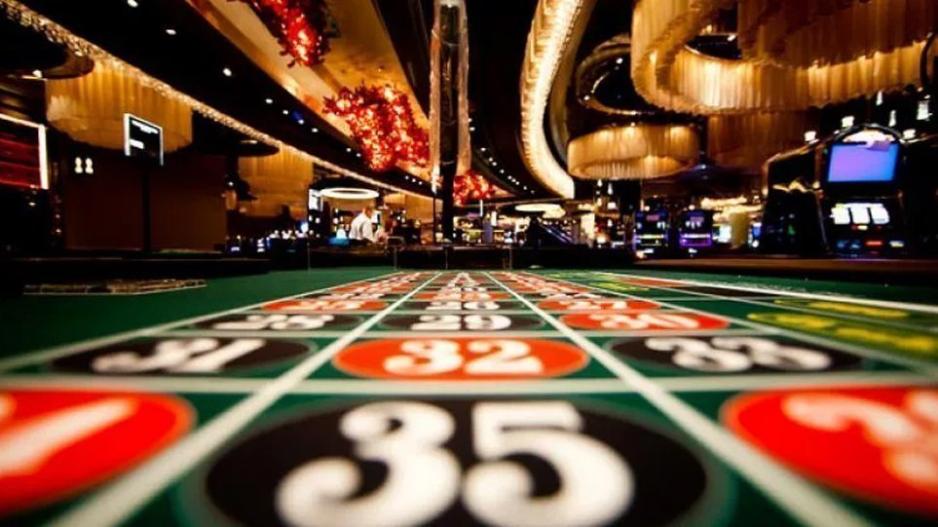
The administration of Ersin Tatar intends to double the number of casinos in the occupied north of Cyprus from 32 to 64. This move follows the revision of the so-called “gaming law,” passed by the 'parliament' in June.
As Brief explains, Turkish Cypriot economists, speaking to the Financial Times, expressed strong opposition to money laundering through casinos. They voiced deep concern for the community’s future, which is already heavily dependent on Turkey’s financial support, illegal capital flows, and gambling revenues.
This development, though not entirely new, has shaken much of the Turkish Cypriot community, many of whom are calling for an end to international isolation. As the FT reported, the occupied north remains cut off by trade restrictions and international embargoes, recognized only by Turkey, and reliant on Ankara’s economic aid.
However, the unstable Turkish lira has fueled soaring inflation in recent years, and the region’s recovery from the Covid-19 pandemic has stalled. Facing mounting fiscal gaps, the administration lifted long-standing restrictions on casinos in June, seeking new revenue streams.
With 32 casinos already operating in a territory no larger than an English county, many Turkish Cypriots fear that further expansion could turn the north into a hub for gambling and crime.
“We have openly introduced the criminal economy into our system,” said Mertkan Hamit, a Turkish Cypriot economist working with the World Bank. “Since the pandemic, new evidence has emerged that highlights the ‘dark’ side of the economy,” he added.
Many worry that doubling the number of casinos could further undermine prospects for resolving the Cyprus problem.
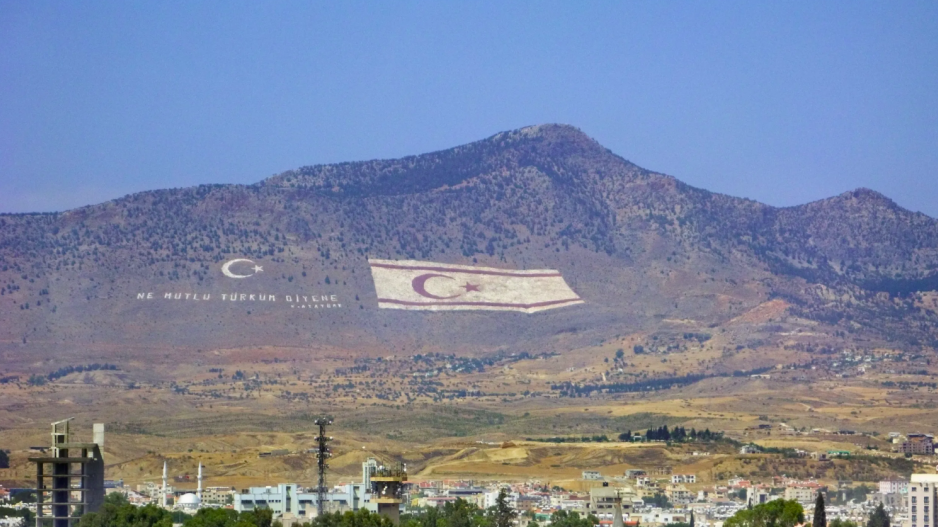
The island has been divided since Turkey’s 1974 invasion. The United Nations considers Turkey’s occupation illegal. While Turkish Cypriots are EU citizens, EU law—including anti-money laundering directives—does not apply in the occupied territories.
“If the Cyprus issue is not resolved, we will be left only with these kinds of activities, because our ability to secure funding is limited,” said Kemal Baykalli, who works at the EU One Stop Shop, an initiative promoting trade across the Green Line.
“We rely so much on Turkey’s investments, and that comes at a political cost,” he added.
Concerns are growing as another bill, due to be debated in September, would allow foreign currency deposits in banks in the occupied areas with a 3% interest rate—raising further fears of facilitated money laundering.
The so-called authorities declined to respond to the FT’s request for comment.
With most exports blocked by the international community, the self-proclaimed “state” derives more than 75% of its GDP from services such as tourism and higher education, according to the World Bank.
The Covid-19 pandemic dealt a severe blow, shrinking GDP by 16.2% in 2020—one of the steepest contractions in Europe. Since then, the regime has struggled to recover.
The Turkish lira’s steady depreciation since 2021 has fueled a sharp rise in living costs, with annual inflation hitting 36% in June. Even seemingly stable sectors have been marred by scandals. The rapid expansion of the higher education sector, for example, has exposed private universities to fraud and human rights violations, with students falling victim to exploitation.
Another traditional revenue source has also dwindled. Many Greek Cypriots once crossed into the north to buy cheaper goods, but this trend has reversed as soaring northern prices have made groceries and other products cheaper in the Republic.
“If you have a small business, life is not very fair,” Baykalli noted. “You cannot make long-term plans. You cannot predict how you’ll manage next year. Sometimes, you may not even realize you’ve gone bankrupt,” he said.
The removal of restrictions on casino licenses aims to attract more tourists from Turkey, where casinos are banned. The north has long been a gambling destination, but experts warn that relaxing gambling laws will make the economy even more dependent on this volatile sector. “We are creating a monster we cannot control. We created it—and now we are doubling its size,” said Hamit, the World Bank economist.