German SMEs Rely on Niche Strength to Weather Trump Tariffs
Highly specialized manufacturers expect U.S. demand to hold, even as new tariffs take effect.
While large German companies groan under the weight of U.S. tariffs, many small and medium-sized businesses — the backbone of Europe’s top economy — are confident their specialized products will continue to sell.
The hope is that in niche sectors where American customers have no obvious alternatives, buyers across the Atlantic will simply have to accept paying higher prices for their machinery and high-tech goods.
“The customer in America pays the tariff,” said Thorsten Bauer, co-head of laser manufacturer Xiton Photonics, based in the western city of Kaiserslautern. “We don’t notice anything.”
Bauer’s company, with about 20 employees, is in this respect typical of the often family-run firms that make up Germany’s “Mittelstand,” its middle class, said Jan-Philipp Gillmann, an executive at Deutsche Bank.
“German SMEs (Mittelstand) are somewhat protected, as they are often highly specialized, sometimes the only companies making a particular component,” said Gillmann, head of Deutsche Bank’s Corporate Bank Europe.
“The cost of the tariff will often be borne by the consumer,” he noted.
Under a framework agreement reached in late July, EU exports will face across-the-board U.S. tariffs of 15% starting next Thursday — higher than traditional tariffs but far lower than the 30% former president Donald Trump had threatened to impose.
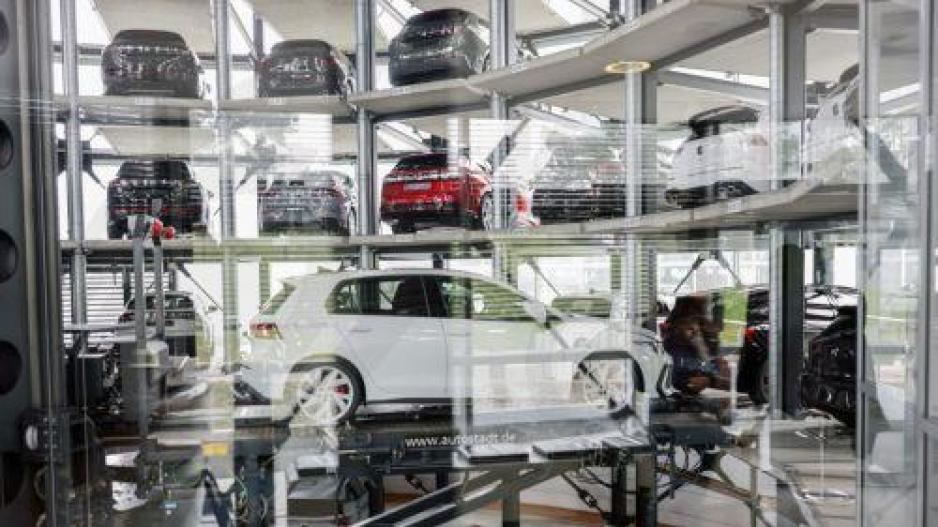
While German giants such as carmaker Volkswagen have made headlines facing tariff pressures amounting to billions of euros, many smaller companies hope to weather the storm.
Brian Fuerderer, CEO and founder of Microqore Medical, a high-tech surgical equipment manufacturer with 32 employees, agreed.
“You can’t just copy ‘Made in Germany,’” he said. “There aren’t many comparable products to what we make here in Germany when it comes to medical technology,” he added.
He also said U.S. tariffs would have to rise to 30% or even 40% before American customers would reconsider.
“For Volkswagen, for big businesses, it’s difficult,” he said. “But if you have a real niche, something only certain experts can do, demand will continue as before,” he noted.
‘No Legal Certainty’
The strong optimism of “Mittelstand” companies flies in the face of repeated claims by Trump that foreign companies — not American importers or consumers — will pay the tariffs.
That does not mean tariffs — and the recent months of uncertainty surrounding them — have left small and medium-sized businesses completely unscathed.
The United States is Germany’s largest trading partner, and Trump’s sudden imposition of tariffs has already had an impact.