Hydrogen-Powered Vehicles: Is There a Future in Cyprus?
With the island’s first green hydrogen station underway and EU mandates looming, Cyprus begins to explore the fuel of the future
Hydrogen-powered vehicles have long been billed as a clean alternative to fossil fuels — emitting only water vapor and offering quick refueling times. While global adoption remains limited, Cyprus is taking its first concrete steps toward hydrogen mobility. But does this technology truly have a future on the island?
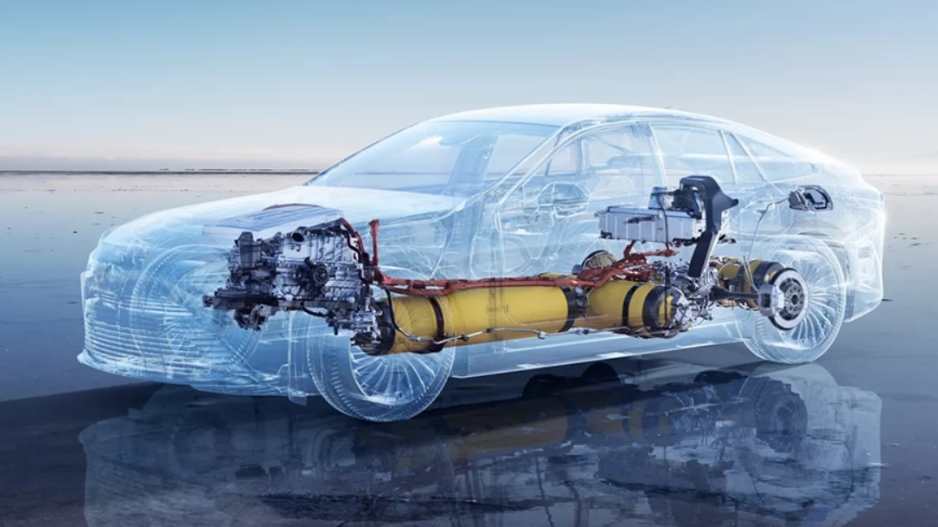
Hydrogen mobility refers to vehicles powered by hydrogen fuel cells. In simple terms, a fuel cell vehicle uses hydrogen gas and oxygen from the air to generate electricity onboard, powering an electric motor. The only byproduct is water. Unlike conventional electric vehicles (EVs) that store energy in large batteries, fuel cell vehicles generate electricity in real time, allowing for faster refueling and longer range — key advantages for heavy transport.
There’s also the option of hydrogen combustion, which burns hydrogen in modified engines. However, fuel cells are favored globally for their greater efficiency and zero-emission output.
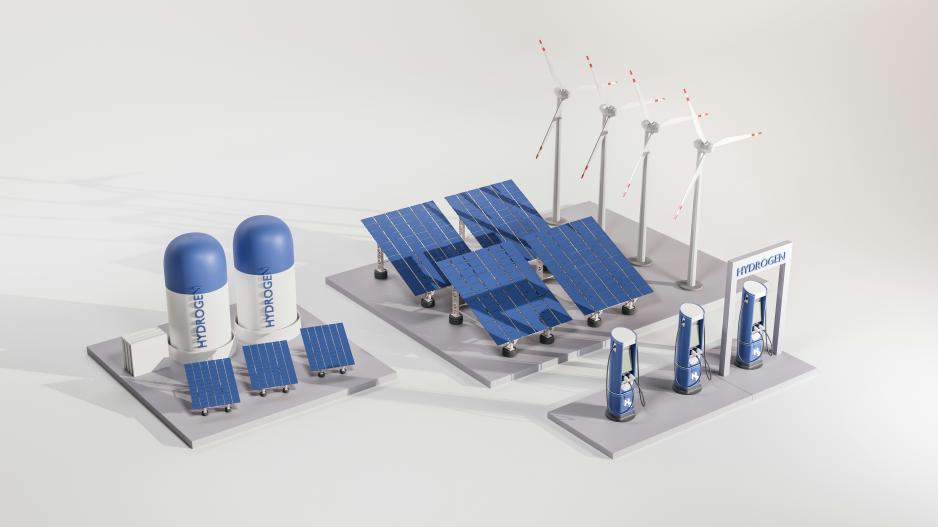
When produced using renewable electricity, hydrogen becomes a zero-carbon fuel — what’s often called “green hydrogen.” This allows surplus solar or wind energy to be stored and later used in vehicles or power grids. For sun-rich countries like Cyprus, this could become a game-changer.
Hydrogen’s role is especially crucial in sectors where batteries fall short, such as heavy trucks, buses, and industrial fleets. These vehicles require high energy density and fast refueling — something hydrogen delivers far better than batteries. Globally, hydrogen is also being eyed for future shipping and aviation solutions.
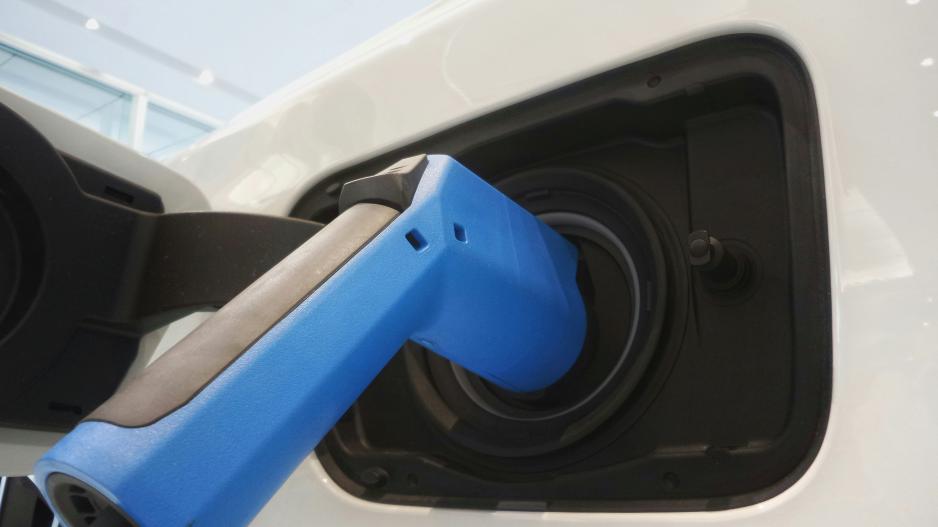
Despite its promise, hydrogen vehicle adoption remains low. In 2023, fewer than 1,000 new hydrogen cars were registered across Europe. Meanwhile, over 1,000 hydrogen refueling stations operate globally — with China and Japan leading, and Germany the European frontrunner.
The lack of refueling infrastructure is a major hurdle. It’s a classic chicken-and-egg dilemma: consumers won’t buy hydrogen vehicles without stations, and companies won’t invest in stations without demand. But the EU is pushing for change. Under its Alternative Fuels Infrastructure Regulation, member states must install one hydrogen station every 200 km on main road networks and in large cities by 2030.
Until recently, Cyprus had no hydrogen infrastructure. That began to change in 2023 with the GreenH2CY project — the island’s first green hydrogen production and refueling facility, co-financed by the EU Innovation Fund. Located in Larnaca, the project is expected to go live in September 2025.
The facility will use solar power to run a 2 MW electrolyzer, producing about 150 tonnes of green hydrogen annually — enough to replace 627 tonnes of diesel. The fuel will initially power a fleet of delivery trucks for a large bakery chain, helping cut emissions and test the tech in real-world conditions.
This project is seen as a “first-of-its-kind” pilot and will be closely watched as a benchmark for hydrogen’s potential in Cyprus.
The Cypriot government has begun laying out a broader National Hydrogen Strategy, currently in draft form. The plan envisions hydrogen as a complementary tool for reducing transport emissions — particularly from heavy vehicles.
By 2030, Cyprus aims for hydrogen to supply at least 4% of the energy used by trucks and buses, with a more ambitious 15% target by 2050. Officials also estimate that at least €200 million will be needed to fund hydrogen trucks, buses, and refueling infrastructure through 2030.
Meanwhile, a group of 27 companies from Cyprus, Greece, and the EU have announced plans to create a “Hydrogen Valley” on the island — a full supply chain ecosystem from production to end use. The Cyprus Hydrogen Association is also advocating for projects that use the island’s high solar potential to produce green hydrogen.
Despite growing momentum, significant challenges remain. Cyprus currently has no operational hydrogen refueling stations, and costs remain high. Producing green hydrogen can cost €5–15/kg today — far more than diesel. While forecasts suggest prices could drop to €2.6/kg by 2030, the economics are still uncertain.
Infrastructure is another barrier. Building a national network of hydrogen stations requires not only funding but also regulatory frameworks for safety, standards, and fuel quality. Cyprus is only now beginning to draft such rules.
Public awareness is low, and trust will need to be built through successful pilots. Meanwhile, battery-electric vehicles — supported by government subsidies and charging stations — are likely to dominate the consumer market for now.
Hydrogen mobility won’t revolutionize transport in Cyprus overnight. But it could carve out a strategic role in decarbonizing heavy transport, storing excess solar energy, and diversifying the island’s energy mix.
The coming years will be pivotal. If projects like GreenH2CY prove viable, and if infrastructure scales up, Cyprus may gradually adopt hydrogen vehicles — first in logistics and public fleets, and potentially more broadly after 2030.
For now, Cyprus is in the early innings of a hydrogen experiment. The foundations are being laid — slowly, but with growing intent.