It’s Raining LNG in Europe. Cyprus, However, Keeps Holding an Umbrella.
As Europe races to secure LNG and expand energy independence, Cyprus’s stalled Vasilikos terminal remains mired in delays.
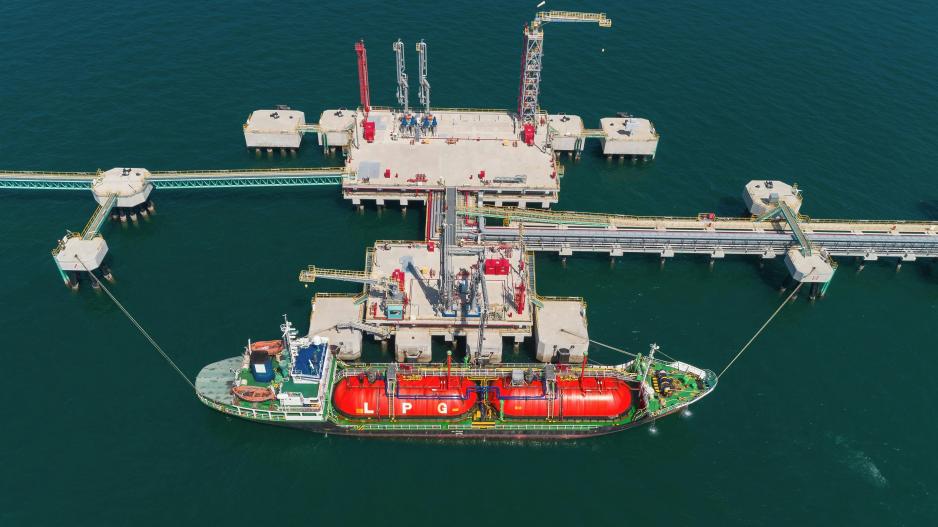
Across Europe, liquefied natural gas (LNG) is booming. Since the war in Ukraine, the continent has undergone a rapid transformation in its energy landscape, shifting from pipeline dependence to an LNG-centered strategy. LNG imports are projected to surge by 25% in 2025 alone, according to the International Energy Agency, with EU storage injections accelerating ahead of winter and new terminals coming online from the Mediterranean to the Baltics.
In neighbouring countries like Greece, new infrastructure is already changing the game. The Revythousa LNG terminal near Athens has been expanded, while the floating storage regasification unit (FSRU) in Alexandroupoli became operational in October 2024. These strategic moves help the EU inch closer to its goal of phasing out Russian gas by the end of 2027.
But while LNG ships are docking across Europe, in Cyprus, the long-delayed Vasilikos LNG terminal remains stuck in port — both literally and politically.
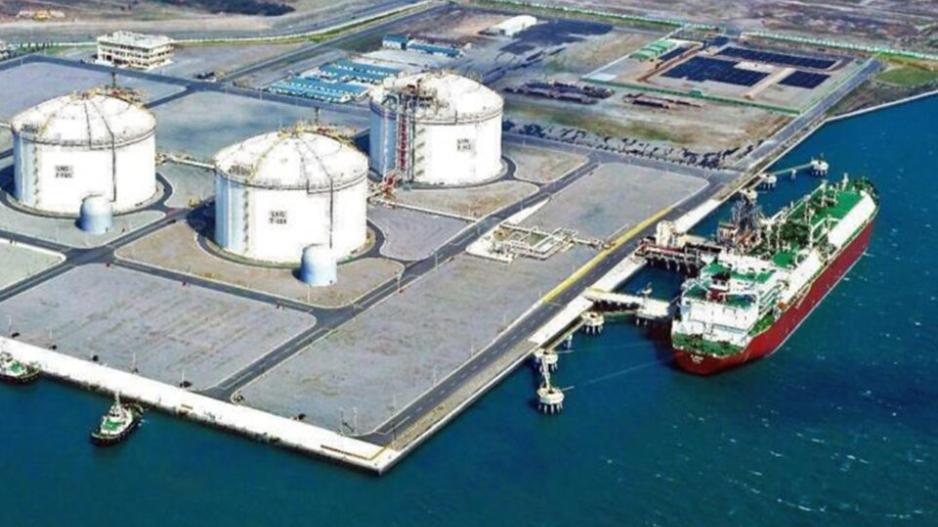
The Vasilikos LNG terminal, originally slated for completion in 2019, was meant to give Cyprus long-awaited access to natural gas and connect it to the broader European energy network. Backed by €101 million in EU funds, the €542 million project has instead become a symbol of mismanagement and delay.
In July 2024, the government terminated its contract with the Chinese-led CPP-METRON consortium, citing repeated delays and disputes over the conversion of the Prometheas LNG carrier into a floating storage unit. Energy Minister George Papanastasiou promised completion by the end of 2025, but that timeline appears optimistic. Project management was only recently awarded to Technip Energies, and no new construction tenders have been issued.
Meanwhile, the European Public Prosecutor’s Office (EPPO) has launched an ongoing investigation into the project, focusing on possible procurement fraud, misuse of EU funds, and corruption — following critical reports by the Cypriot Audit Office and European bodies.
Despite official assurances, progress has been minimal. Beyond its role in reducing domestic energy costs, the Vasilikos terminal could have positioned Cyprus as a regional logistics hub for LNG — a strategic opportunity still waiting to be realized.
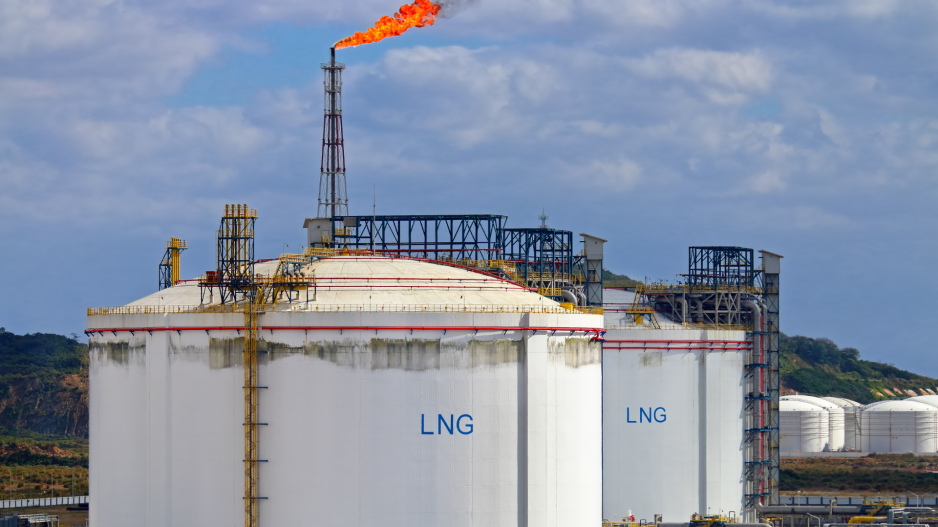
Meanwhile, the rest of Europe is forging ahead. LNG imports into the EU grew 23% in the first quarter of 2025, and are expected to increase by an additional 33 billion cubic meters over the year — nearly matching the continent’s all-time highs. Much of this demand is driven by declining Russian pipeline flows, higher storage needs, and increasing exports to Ukraine, whose energy infrastructure remains under siege.
As European gas transit through Ukraine halts and Norwegian output dips, the EU is scrambling to fill the gap. This summer alone, LNG shipments are projected to rise by over 250 tankers — a tight squeeze for a global market already stretched by supply constraints, maintenance in U.S. and Norwegian terminals, and geopolitical tensions in the Middle East.
Against this backdrop, Cyprus’s lack of LNG access stands out. Without a functional terminal, the island remains reliant on heavy oil and diesel for electricity — among the most expensive and polluting fuels still in use within the EU. The consequences are economic as much as environmental: higher power costs for households and businesses, and growing pressure from Brussels to decarbonize.
The government insists it is committed to completing the Vasilikos terminal, with a new round of tenders is expected within 2025. But with a damaged timeline, a broken contract, and an active fraud investigation, Cyprus appears far from catching up to Europe’s LNG momentum.
For now, as LNG rains down on European ports from Louisiana to Qatar, Cyprus still holds its umbrella tightly shut — watching from the sidelines.