What Cyprus’s National Hydrogen Strategy Includes
Cyprus' hydrogen plan targets regulation, education, and phased implementation—pending final approval by the Council of Ministers.
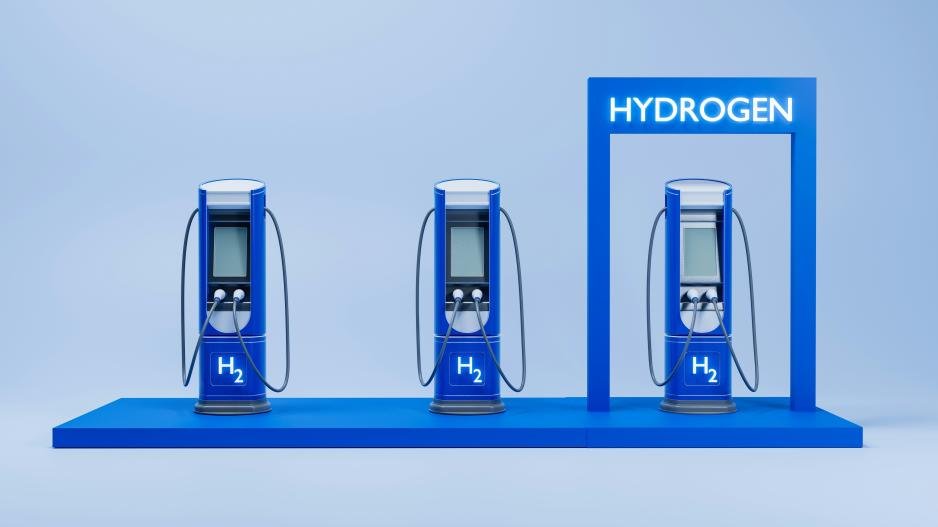
Cyprus’ National Hydrogen Strategy has received approval from the Ministry of Energy, Commerce, and Industry and has been submitted to the Council of Ministers for final endorsement, Minister George Papanastasiou announced on Monday. He made the announcement during the 3rd Annual General Assembly of the Cyprus Hydrogen Association.
“I am pleased to announce today that, following the completion of the necessary public consultation, Cyprus’ National Hydrogen Strategy has been approved by our Ministry and has been submitted to the Council of Ministers for final endorsement,” said the Minister.
The National Strategy, as Papanastasiou explained, focuses primarily on the development and application of hydrogen in the transportation sector. This emphasis reflects the government's intent to ensure that future commitments are realistic, feasible, and aligned with the country's actual capabilities. The aim is to avoid overly ambitious projections that cannot be supported by the current technical infrastructure, financial resources, or environmental conditions.

The strategy is based on two foundational pillars. The first is legislative adaptation. “Our priority is to create a comprehensive and functional regulatory framework that governs all aspects of the hydrogen life cycle—from production and distribution to final use,” Papanastasiou stated. This framework will include clear licensing procedures and well-defined safety and quality standards. The target is to have this framework in place by 2027, following extensive consultations with stakeholders.
The second pillar involves education and public awareness. Alongside legislative development, the government is preparing a robust training and awareness program aimed at informing businesses and the public about hydrogen technologies. “Our goal is to design and implement targeted campaigns to promote understanding, acceptance, and successful adoption of this innovative technology by businesses and society at large,” he added.
Papanastasiou emphasized the importance of presenting a realistic and balanced view of both the potential and the limitations of developing the hydrogen sector in Cyprus.
While electrification remains the most suitable and efficient option for Cyprus in the short term—especially given the country’s significant renewable energy potential—the Minister explained that hydrogen will play a key role in specific areas.
“We have identified that the gradual introduction of hydrogen in the heavy transport sector is the optimal and most cost-effective way to integrate hydrogen into our energy mix,” he said. According to Cyprus’ National Energy and Climate Plan, the phased rollout of hydrogen-powered trucks and buses is expected by 2030.
However, the Minister also addressed the significant challenges involved. Chief among them is water scarcity—a critical factor given that the production of green hydrogen through electrolysis consumes between 9 and 15 kilograms of clean water per kilogram of hydrogen. Additionally, the high cost of investment in specialized infrastructure remains a major obstacle. These challenges, he said, demand careful technical and strategic planning to ensure both the viability and sustainability of future hydrogen projects.