10 Million Barrels of Oil Missing From Global Markets
Chain Reactions Expected in Fuels, Electricity, and Supply Chains.

Ten million barrels of oil per day have not been reaching global markets since the start of the war in Iran, creating significant disruptions that cannot easily be replaced.
There is currently no way in the short term to compensate for the loss of these ten million barrels per day. The cuts are extremely serious and have already caused global disruptions in the supply of materials.
For Cyprus, the impact is expected to be felt through significant increases in gasoline and diesel prices, as well as higher electricity costs. These increases have already begun to appear and are expected to continue.
One proposal being discussed is for the government to impose a cap on profits, maintaining the margins, operational costs of fuel stations, and VAT at pre-war levels, while allowing only the increase in the cost of imported gasoline and diesel to be reflected in final prices.
The Strait of Hormuz remains one of the most critical routes for global oil flows, as well as for LNG and other materials. At the moment, it is almost entirely closed, with very few ships able to pass through.
Around ten million barrels of oil per day are currently unable to reach markets, and Gulf countries that normally have the capacity to increase production are effectively blocked from exporting.
It is possible that the United States may begin using its strategic reserves this week, potentially followed by other countries. However, the gap of ten million barrels per day remains enormous for global markets, especially as demand remains high while production is constrained.
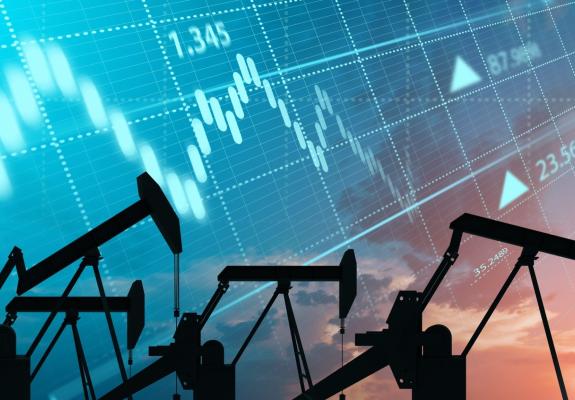
Oil prices have already surged to around $106 per barrel and continue to rise, with estimates suggesting they could reach as high as $200 if the crisis persists.
If the situation lasts for three months, oil prices could climb to between $150 and $200 per barrel.
The conflict has also included strikes on oil facilities, further intensifying concerns about supply disruptions.
The impact extends far beyond oil. Energy supplies influence transportation, electricity generation, and food production, meaning the broader economic effects could be substantial.
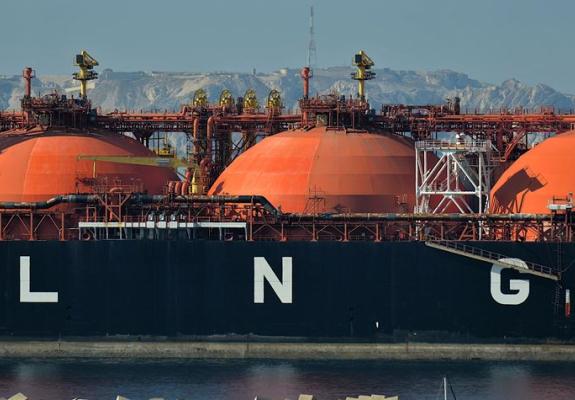
In addition to oil, around 2% of global LNG production normally passes through the Gulf, but flows have currently stopped as production facilities in Qatar remain shut down.
As a result, natural gas prices in Europe have already increased, reaching approximately €52 per megawatt hour and continuing to rise.
Beyond oil and natural gas, other materials are also affected. Approximately 30% to 40% of global ammonia exports used for fertilizers pass through the region, along with about 40% of sulfur, 25% of helium, and 25% of methanol.
These disruptions are having widespread consequences, creating significant supply challenges and affecting petrochemical industries across Asia and Europe.
Several countries have already indicated that they will not participate in efforts to protect the Strait of Hormuz. Australia, Canada, and Japan have declined involvement, while China is not expected to intervene. European countries are also unlikely to participate, as doing so could result in prolonged military involvement.
Souce: CNA