Almost 40% of Property Sales to Foreign Nationals
The Cypriot property market is no longer what it was five years ago.
- The “headquartering” phenomenon is driving the property market upward
- Limassol remains the most expensive district, Larnaca emerges as the star of the year
The traditional image of the British retiree searching for a holiday home in Paphos, or the opportunistic investor chasing a passport, has given way to a new, more complex and institutional reality. According to the latest data from the Central Bank of Cyprus, almost 40% of property sales now involve foreign nationals, with the phenomenon of “headquartering” (the relocation of international company headquarters) acting as the main catalyst behind this transformation.
The new elite of buyers
The strategy of attracting high-technology and innovation-driven companies has paid off, but at the same time it has radically altered the DNA of demand. Hundreds of companies, mainly from the technology, gaming, and financial services sectors, have relocated their headquarters and staff to Cyprus. This translates into thousands of highly paid executives who are not looking for “a house,” but for high-quality properties with premium specifications.
This “technological migration” sustains demand for modern, high-end apartments and Grade A office spaces.
Limassol and Larnaca are now seeing prices surge, as supply struggles to keep pace with the expectations of this new, demanding audience.
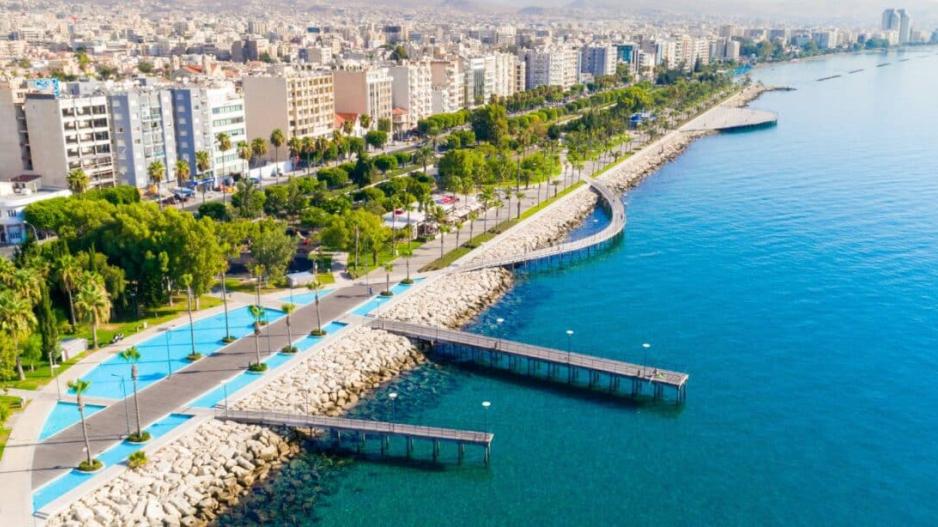
Limassol remains the most expensive district, while Larnaca is emerging as the undisputed protagonist of 2025–2026, with price increases reaching up to 7.3%. The City of Zeno is capitalizing on the redevelopment of its seafront and the relocation of oil storage facilities, as investors see in Larnaca an “opportunity” that Limassol has already priced too high.
On the other hand, Nicosia presents a picture of “fatigue.” The capital’s market, which relies primarily on domestic demand, is under pressure from borrowing rates. Cypriot buyers, seeing the cost of money remain at relatively high levels, are adopting a wait-and-see stance. As a result, house prices in Nicosia are recording marginal declines or stagnation for a fourth consecutive quarter.
The challenge of affordable housing
Behind the impressive figures and multi-million-euro investments lies a social challenge that the Central Bank of Cyprus highlights emphatically in its bulletin: the affordability gap. The rise in prices, fueled by foreign capital, has disconnected the property market from average Cypriot salaries.
First, pressure is also being transferred to rents, as executives of foreign companies have greater purchasing power, often displacing locals from city centers.
Second, construction material prices, although stabilized compared to the 2022 crisis, remain at levels that do not allow developers to reduce the selling prices of new builds.
Soft landing or another rise
The Central Bank of Cyprus forecasts a normalization of price increases around 2%–4% for 2026, as the market appears to be entering a phase of maturity. However, analysts warn that geopolitical developments in the wider Middle East region remain an “unpredictable factor.” Further escalation could increase capital inflows toward the safe “embrace” of Cyprus, pushing prices even higher.
The bet for the coming year will be balance. On one hand, maintaining headquartering as a pillar of the economy, and on the other, implementing state housing programs that will allow young couples to re-enter the market.