Cyprus Boosts Renewable Energy Share but Remains Below EU Average
Cyprus ranks 17th in the EU as the bloc struggles to meet its 2030 renewable energy target.
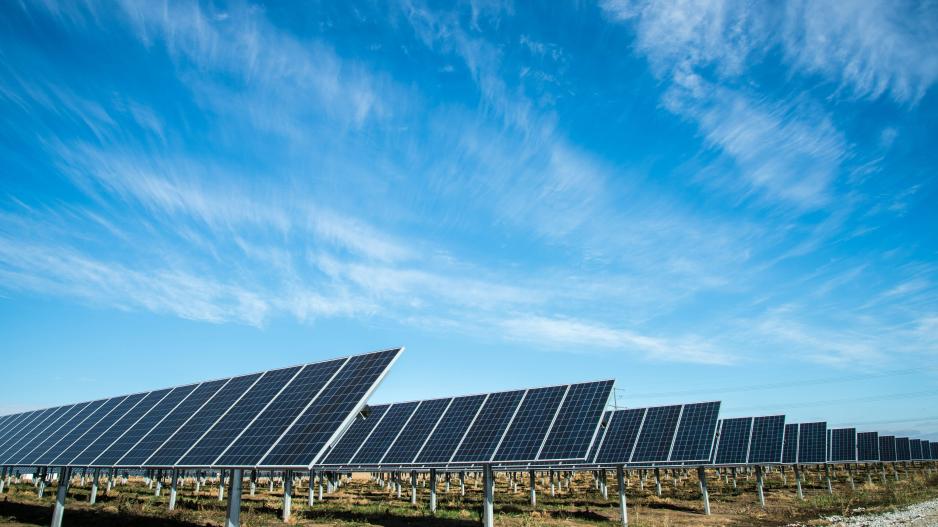
Cyprus increased the share of renewable energy in its gross final energy consumption to 21.9% in 2024, up from 20.2% in 2023 and 19.4% in 2022, according to data released today by Eurostat. The improvement places Cyprus 17th among the 27 EU member states, slightly below the EU average but continuing an upward trend.
At EU level, renewable sources accounted for 25.2% of gross final energy consumption in 2024, marking an increase of 0.7 percentage points compared with the previous year. Despite the progress, the bloc remains significantly off track to meet its 2030 target of 42.5%, with a gap of 17.3 percentage points still to be closed. According to Eurostat, achieving the target would require an average annual increase of 2.9 percentage points between 2025 and 2030 — more than four times the pace recorded in 2024.
Cyprus’s performance reflects gradual but consistent gains, although it continues to lag behind several other EU countries with more diversified energy mixes and stronger renewable infrastructure. While the island has made progress in recent years, its share of renewables remains below both the EU frontrunners and the level needed to align with the bloc’s long-term climate and energy objectives.
Northern European countries continue to dominate the rankings. Sweden recorded the highest share of renewable energy in gross final consumption at 62.8%, relying mainly on solid biomass, hydropower and wind. Finland followed with 52.1%, driven by solid biomass, wind and hydro, while Denmark ranked third at 46.8%, with renewables largely sourced from solid biomass, wind and biogas.
At the other end of the scale, the lowest shares of renewable energy were recorded in Belgium (14.3%), Luxembourg (14.7%) and Ireland (16.1%).